Bongani Ndlovu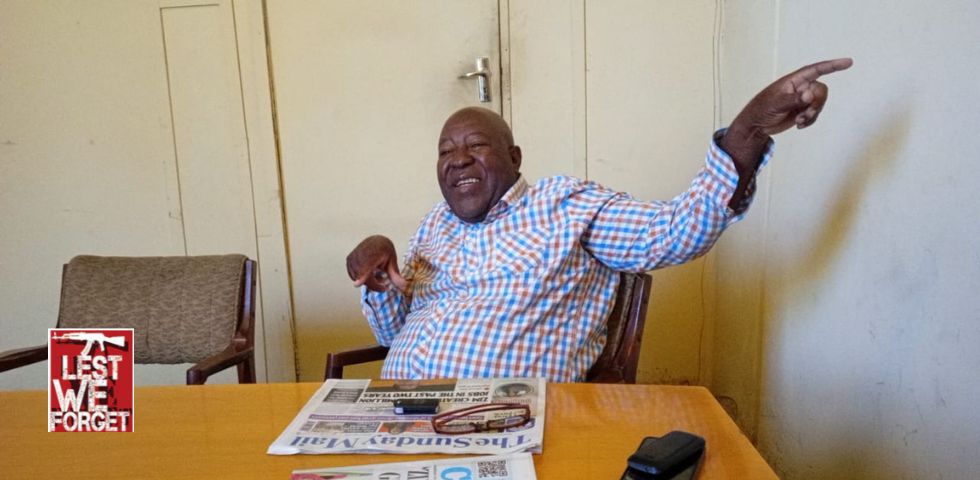
WE continue our interview with Cde Jabulani Petshu Sibanda, pseudonym Cde Qinisela Ncube, a former freedom fighter who during the armed struggle in the 1970s served under the ZAPU intelligence unit, the National Security and Order (NSO) that was headed by now late National Hero, Cde Dumiso Dabengwa.
In the past two instalments, Cde Petshu Sibanda has told our Assistant Editor Mkhululi Sibanda (MS) how he joined the armed struggle in Zambia via Botswana. Cde Petshu Sibanda spoke about the role he played in carrying out logistics in Botswana in the deployment of guerillas who were on their way to operate in the Southern Front (SF) that covered districts in Matabeleland South Province, parts of Midlands and Masvingo provinces.
In this week interview Cde Petshu Sibanda speaks about what happened after completing his training as an intelligence operative at the ZAPU intelligence facility that was called Moscow in Zambia. He goes on to talk about how his family is still going through the pain of losing their father who was abducted by unknown gunmen at the height of the armed struggle in June 1979.
Below are excerpts from the interview. Read on…
MS: Let us continue the interview by you telling us what happened after you had completed your training.
Cde Petshu Sibanda: After our training, comrades were deployed in different areas. Some were sent for further training abroad while some were sent to specialise in specific trades. As an operative one can be deployed into a medical field for example so some of the comrades were sent to do such courses. An operative can work under cover as an engineer, nurse, driver, customs officer, immigration officer and so on.
MS: Then came the ceasefire period, where did you go?
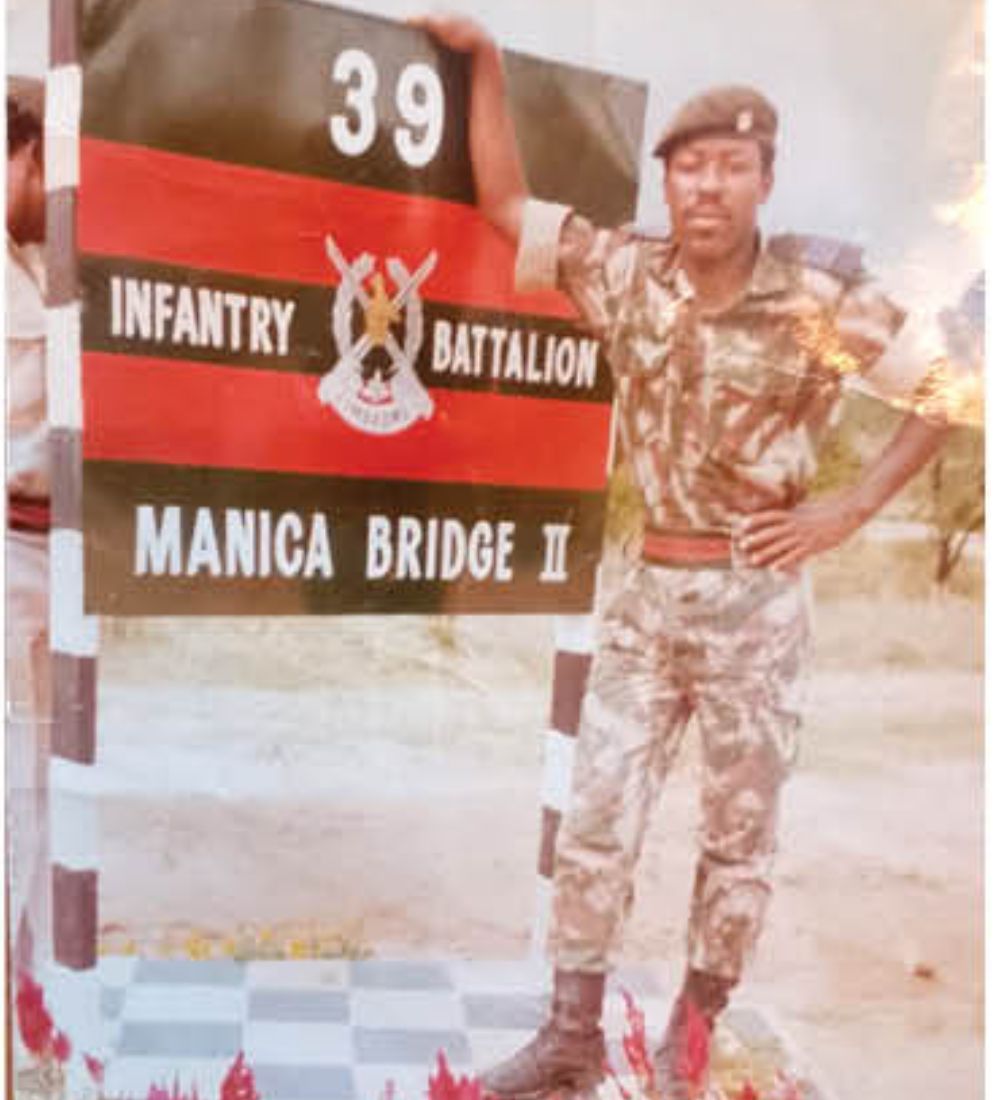
Cde Petshu Sibanda: During the ceasefire period I moved from Zambia back home like others and I was part of the units that were sent to Papa Assembly Point in the Mashonaland region. I stayed for sometime there before I was moved to Chitungizwa where ZPRA forces occupied Oscar 1 and Oscar 2 camps. In Chitungwiza our counterparts from ZANLA also had their camps there just like here in Entumbane where there were ZPRA and ZANLA camps. In Chitungizwa I was part of the ZPRA security team working with comrades like Amin. It was quite an experience for the guerillas who had spent years fighting in the bush to be accommodated in the urban areas. I was later on moved from Chitungizwa to Entumbane before going to Gwayi River Mine Assembly Point. At the Gwayi AP I was the company security officer working under Company commander, Cde Boxer. We were later taken to the Zimbabwe Military Academy in Gweru for the standardisation course where I came out with the rank of full Lieutenant. After that I was posted to 3:9 Battalion that was situated at the Manica Bridge on the way to Nyanga in Manicaland Province.
MS: Who was the battalion commander there?
Cde Petshu Sibanda: Our battalion was commanded by Lt-Col Maketo who during the war had fought on the ZANLA side. A company of the battalion was under the command of Major Malikongwa, a former ZPRA with Company B led by Major Govera, an ex-ZANLA while Company C was commanded by Major Mufandaedza. The Administration Officer was Captain Adam Ncube while the battalion Adjutant was Captain Kaponga. Close to our camp there was 3:8 Battalion which was less than a kilometre away. Soldiers from the two battalions would meet at Magenje Business Centre, that is where we used to socialise. Myself I would also go there with my close friends, Lt Gabella and Lameck Ndlovu, who was the younger brother to ZPRA artillery commander, Cde Siboza. We are still friends with Lameck. From 3:9 I was posted to Suri Suri Airbase near Chegutu now renamed Jason Ziyaphapha Moyo Airbase by the Second Republic led by President Mnangagwa. There we attended an anti-air defence course under the Airforce of Zimbabwe. There were lot of white officers there that had been part of the Rhodesian forces. One of the officers whose name I still remember was Peter Wallsbourough. From Suri Suri I was moved to the air defence base in Kwekwe whose Commanding Officer was my brother Douglas whose pseudonym was Cde Tymon. Tymon, as Douglas was called, had served in the ZPRA artillery unit and was commissioned as a Major when he was integrated into the Zimbabwe National Army (ZNA). When we got to Kwekwe, it was at the height of political disturbances of the 1980s with some former ZPRA officers being arrested and others being demoted. I was one of the affected, and at that time I had been promoted to the next rank of Captain. However, I was demoted to a Staff Sergeant and later on posted to Brady Barracks, the Headquarters of One Brigade. At Brady Barracks, now called Mzilikazi Barracks, I was posted to the School of Military Police.
MS: You are talking about Douglas where was the other brother of yours?
Cde Petshu Sibanda: To me that’s a very important question as it leads me to explain things with regards to my family. In our first interview I mentioned that two of my brothers, Kipro and Ndabaningi crossed into Mozambique to join ZANLA. However, like I said last time, Ndabaningi was killed in combat. We were told that the ZANLA truck he was driving was ambushed by the Rhodesian forces, the truck I believe was one of those that was transporting comrades for deployment to the front. So, when I was posted to Brady Barracks to answer your question I was reunited with Kipro, who was a Sergeant and was one of the regular soldiers who were in charge of the Zimbabwe Para Military whose duties involved offering security at facilities such as farms.
MS: You spoke about your father as someone who was passionate about the armed struggle and nationalist politics in general. However, unfortunately he met his demise during the armed struggle, so when you returned from the war how did you feel?
Cde Petshu Sibanda: My father Petshu Nombolo Sibanda was very successful in terms of the standards of those days. I am giving you this information to put things into perspective. He had a farm in Gwatemba in Filabusi and shops around. He also had three shops in Mberengwa each supported by a grinding mill, izigayo. His businesses in Mberengwa were situated at Murongwe, Mataruse and Rengwe areas. That is where my younger brothers, Ndabaningi and Kipro were also based, working in the family business. With ZANLA having a heavy presence in Mberengwa that influenced Kipro born in 1958 and Ndabaningi born in 1959 to cross into Mozambique and joined ZANLA while myself born in 1957 and Douglas in 1954 joined ZPRA in Zambia. So, when I returned home for the first time coming from Papa Assembly Point I was devastated that father had died in such painful circumstances. All the vibrancy at the farm in Gwatemba and businesses had vanished.
MS: What were the circumstances that the elder Petshu was killed?
Cde Petshu Sibanda: When I got home coming from the war I found my mother, Mrs Eva Sibanda uMaTshuma, who is still alive at the age of 94, my younger brother Fredda and sister Coleen, now Mrs Nyangoni. They were also sad and going through the pain. Before going home I had met my elder brother, Hikiah Sibanda who was working in Bulawayo at a company called Waards. He is the one who had given me the heads up about the situation at home.
MS: What were you told about your father?
Cde Petshu Sibanda: I was told that on that fateful night in June 1979, some armed people came to our home. It seems they went straight to the house where my father and mother were sleeping. For your own information, my father had two wives, our other mother was MaMoyo the mother of Ndabaningi and other siblings. As if they had the correct information, those armed people went and knocked at the house where my father was sleeping on that night. He came out and thinking that they were genuine comrades, went with them to the grocery shop to give them the provisions they had asked for. To him it was routine.
However, that was the last time he was ever seen again. In the morning the family started panicking and looking for him. Fredda and Coleen took one of the family vehicles and drove for about 10km to look for him, but there was no trace. The family then approached a ZPRA unit operating in the area and they denied knowledge of what might have happened to my father. They said they were in the dark. The family went further and approached a ZANLA unit and they also washed their hands about what happened to my father. The family went further and approached the Rhodesian security force at Filabusi. The latter were hostile as they said the family can look for his whereabouts from the guerillas because to them he was a well known collaborator who supplied the freedom fighters with whatever they wanted. So, my father disappeared without a trace. That’s a painful story and up to now we are still in pain. As a family we are still appealing to anyone with information where those people who killed him might have buried him to come forward and tell us. They can do so anonymously. We have even gone to the bush to dig where we thought they might have buried him and we hit a brick wall.
MS: But he had a good relationship with the freedom fighters?
Cde Petshu Sibanda: Excellent one. Both ZPRA and ZANLA forces were aware that my father had sons in the two armies. He had given ZAPU two sons and ZANU two as well. I am told when ZANLA forces came to his shops he would ask them whether they had information on Kripo and Ndabaningi and he would do the same when he came across a ZPRA unit. He would ask whether myself and Douglas were still alive. Guerillas being guerillas from either ZPRA or ZANLA would tell him what he wanted to hear to make him happy. They would say we very much alive and had even last seen us a particular place just to make him happy.
To be continued next week with Cde Petshu Sibanda talking about how even senior politicians such as the late Vice-President Dr Joshua Nkomo, Sikhwili Moyo and Dumiso Dabengwa tried to help the family find closure with regards to what happened to his father


 Online Reporter