Precious Manomano
Herald Reporter
THE Pfumvudza/Intwasa conservation agriculture programme is rapidly emerging as a transformative force in Zimbabwe’s quest for food security, particularly among smallholder farmers in drought‑prone regions.
Since its introduction around 2020, the climate‑smart initiative has reshaped the country’s agricultural landscape, replacing conventional tillage with sustainable techniques that boost yields, improve soil health and build resilience against erratic rainfall.
Designed to climate‑proof agriculture, the programme emphasises correct agronomic practices on small plots — including mulching, minimum soil disturbance, crop rotation and dry‑season land preparation — to achieve higher returns. Its success has already inspired adoption beyond Zimbabwe’s borders.
During the 2024/2025 season, more than 3,5 million smallholder farmers participated in the programme, comprising three million rural households and 500 000 peri‑urban households.
Over 14 million Pfumvudza plots were prepared, exceeding the Government’s target of 9,5 million plots.
Farmers are also diversifying production by planting multiple crops per plot, including maize, sunflower, sugar beans and sun hemp.
The results have been striking. Food crop production recorded a 290 percent increase in the 2024/2025 season compared to the previous year — a leap largely attributed to the widespread adoption of Pfumvudza/Intwasa and better alignment of crops with agro‑ecological zones.
The national average maize yield under Pfumvudza stood at 1,4 tonnes per hectare, surpassing the 1,25 tonnes per hectare achieved through conventional farming methods.
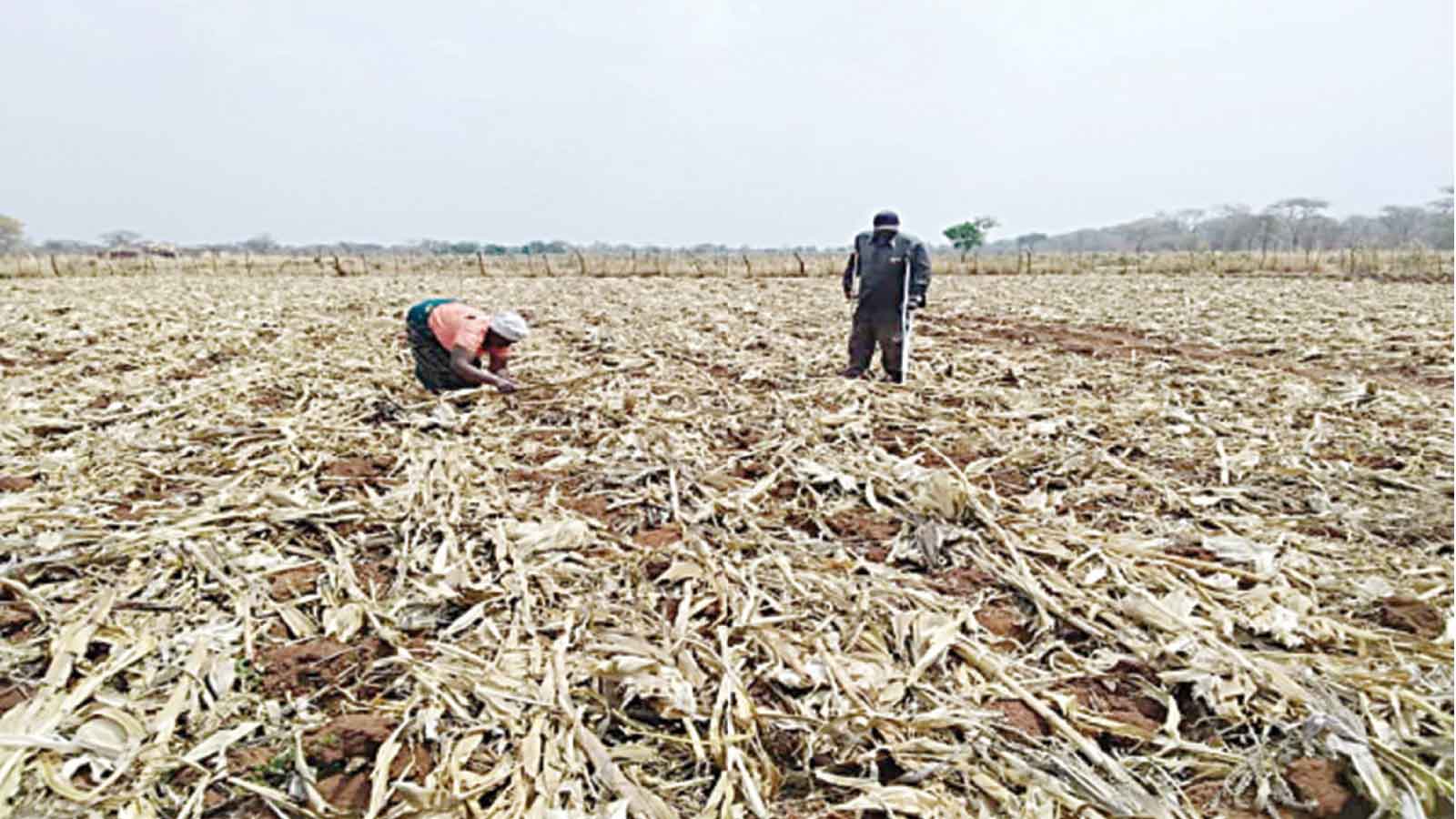
At the heart of the programme is its proven ability to deliver superior yields while conserving natural resources. Mulching retains soil moisture, minimum tillage preserves soil structure, and rotating maize with legumes — such as soya beans, sugar beans or sun hemp — naturally boosts soil nitrogen levels.
These practices have enhanced water retention and drought resilience, making farming more reliable even when rains are scarce.
Originally developed in Zimbabwe, the Pfumvudza model has gained traction across Africa as a practical roadmap for raising agricultural productivity in a changing climate.
Reports from various regions consistently show that Pfumvudza plots outperform traditional ones, offering a replicable strategy that other nations are eager to adopt.
The Government is now scaling up mechanisation under the Pfumvudza/Intwasa programme to reduce the labour burden — especially for the elderly, persons with disabilities and youth farmers — while enabling expansion from subsistence to commercial production. Mechanised minimum tillage further preserves soil structure and moisture, making the programme more accessible and sustainable.
A Pillar of National Food Security
Lands and Agriculture Permanent Secretary Professor Obert Jiri underscored the programme’s strategic importance, saying:
“We want to ensure that the country is food secure. This programme is critical as it will not only help us mitigate the risks posed by erratic rainfall patterns, but also empower smallholder farmers, who are vital to the agricultural sector.”
Zimbabwe Farmers Union Secretary‑General Mr Paul Zakariya also expressed strong support, noting:
“Farmers should embrace the programme as it ensures maximum productivity and guarantees food security.
“This season, the Government has remodelled the distribution of agricultural inputs under Pfumvudza to match the agro‑ecological regions where farmers are located.”
By aligning inputs with specific agro‑ecological zones, the Government is creating an environment in which farmers can not only sustain their livelihoods, but thrive.
Last season, more than three million farmers received training in conservation agriculture practices, covering soil management, moisture conservation and pest control.
“This knowledge equips them to adapt effectively to changing climatic conditions.
Another key feature of the programme is the encouragement to reuse previously prepared plots, which reduces labour demands and promotes efficient use of resources.
President of the Zimbabwe Indigenous Women Farmers Association Trust, Mrs Depinah Nkomo, highlighted the broader benefits, saying:
“This will increase yields and incomes.
“It also means we will increase the national hectarage and, consequently, productivity. An increase in yield will also reduce the burden of importing grain.”
Beyond immediate food production, Pfumvudza represents a broader national vision — a self‑sufficient Zimbabwe anchored on food security, sustainability and climate resilience.
By equipping smallholder farmers with the necessary tools, knowledge and policy support, the programme is evolving into a driver of economic empowerment and community development.
Sustainable farming practices are helping families break the cycle of poverty and hunger.
The ripple effects strengthen local economies, create employment opportunities and improve the overall quality of life in rural communities.
The Pfumvudza/Intwasa programme reflects a comprehensive national commitment to enhancing agricultural productivity, addressing food security challenges and improving livelihoods across Zimbabwe. As smallholder farmers continue to embrace this vital initiative, the country is not only cultivating crops — it is nurturing a resilient, food‑secure future.
Through this programme, Zimbabwe is investing in more than agriculture. It is sowing the seeds for sustainable development, economic stability and improved livelihoods for all.