admin
admin
Blessings Chidakwa Herald Reporter
PLANS are afoot to upgrade Hwange Thermal Power Station units 1 to 6 among other national strategic power generation stations to improve power supply in the country, President Mnangagwa has said.
The refurbishment of the six units, which were commissioned between 1983 and 1987, is expected to restore generation capacity to about 900 megawatts and guarantee power supply which will help drive increased industrial production, a key economic enabler and driver towards the realisation of Vision 2030.
Over the past few years, the Second Republic has been making concerted efforts to end power outages, investing over US$1 billion in the construction of Hwange Thermal Power Station units 7 and 8 with a capacity to feed 630 megawatts into the national grid.
While that has eased power challenges, the onset of the rainy season has caused network faults countrywide leading to power outages.
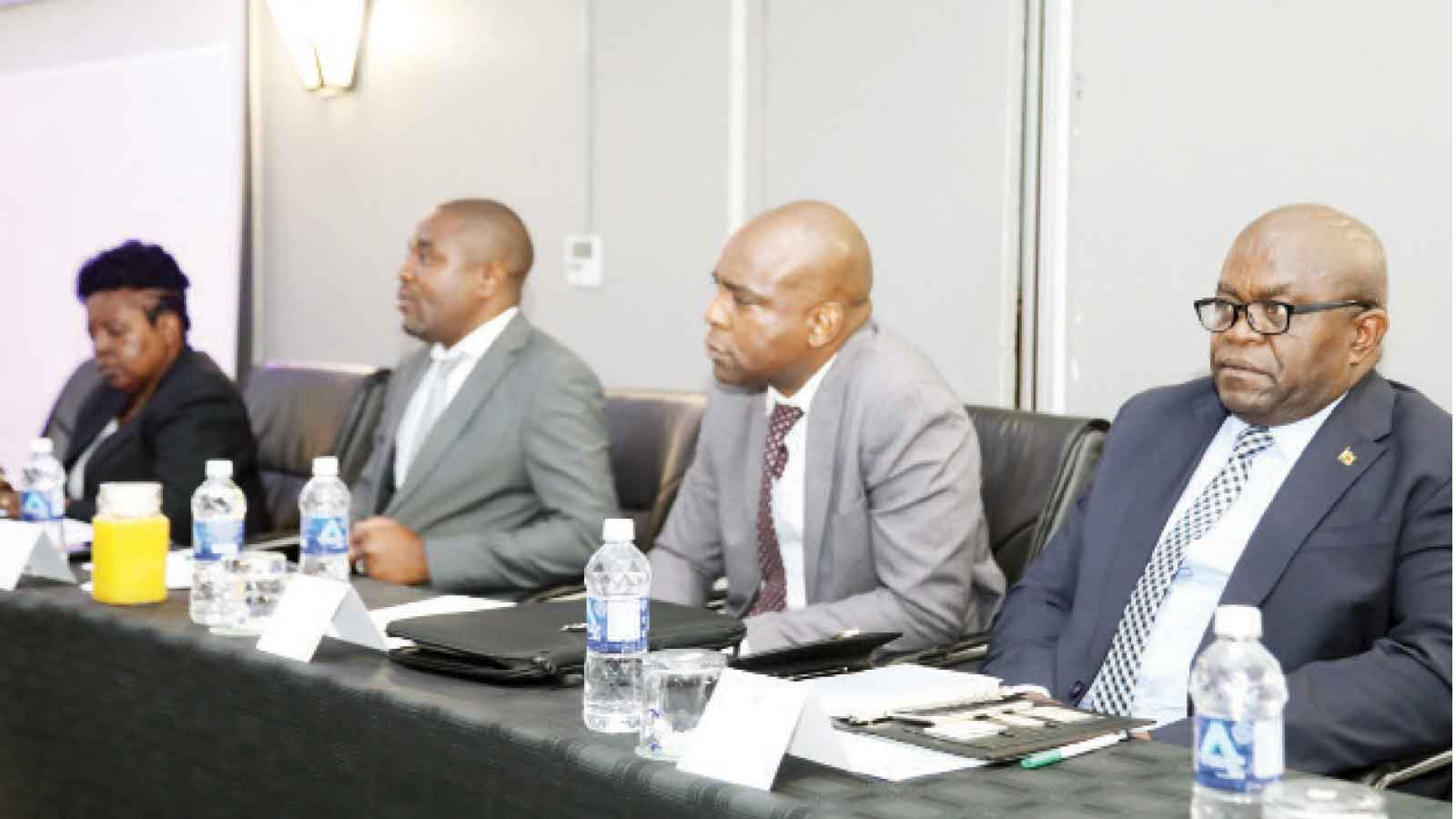
Addressing the 11th edition of the ZimTrade Annual Exporters’ Conference in Harare yesterday, President Mnangagwa said the development and modernisation of key enablers for production, trade and commerce remain a priority to speed up the growth of all sectors of the economy.
“Plans are now on course to upgrade Hwange Units 1 to 6, along with other national strategic power generation stations. As we chart strategies for ‘exporting into the future,’ I implore the private sector to harness and invest in our abundant clean renewable energy resources,” he said.
The country’s second biggest power plant, Kariba South Hydropower Station, has an installed capacity of 1 050 megawatts, with peak power demand in Zimbabwe standing at around 2 200 megawatts. The rehabilitation project, a key priority of the Second Republic, is expected to bring relief to energy consumers in the medium term.
In a public notice yesterday, ZETDC stakeholder relations department, said during the rainy season, there is a high prevalence of network faults due to trees falling on overhead lines and falling of electricity poles.
ZETDC said other faults are due to water seeping into underground cables, and lightning striking critical electricity equipment and infrastructure.
The power utility said due to the increase in the number of faults, the turnaround time in attending to these faults and restoring power to customers may take longer than is normally the case.
“ZETDC is therefore appealing to customers to bear with these delays as efforts are made to minimise the outages and restore service to the affected customers in the shortest possible time.”
“Customers are advised to stay away from fallen power lines to avoid injuries and are urged to treat all circuits as live as power may be restored without notice,” said ZETDC.
A steadily growing population, rapid rural-to-urban migration, and nascent economic recovery driven by new mining projects have spurred demand for power in the country.
The Government’s medium-term economic programme, the National Development Strategy 1, lays out a target for installed generation capacity of 3 467 megawatts by 2025.


 Online Reporter