Online Reporter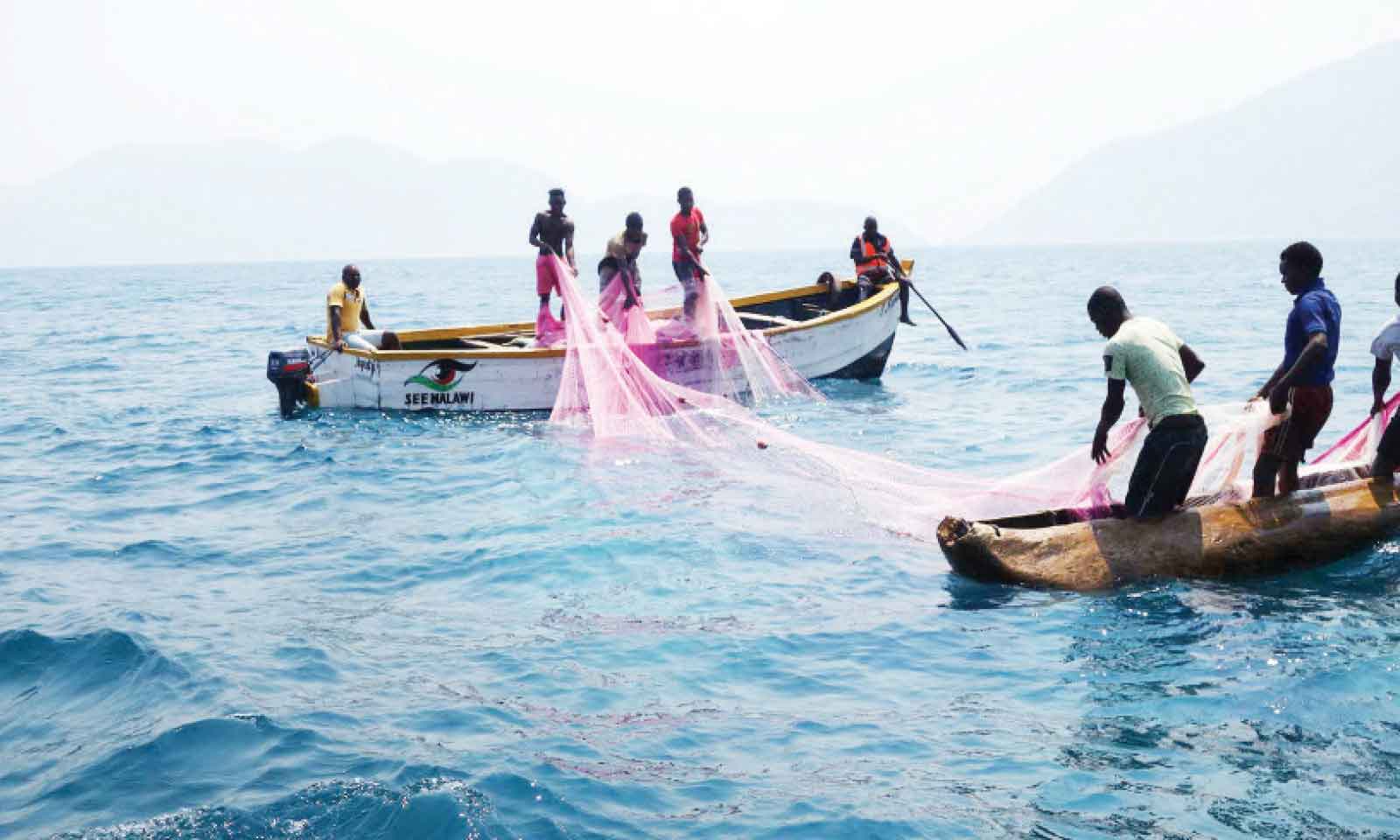
Lake Malawi, one of Africa’s most important freshwater ecosystems and a UNESCO World Heritage Site, is under growing threat from plastic pollution — endangering both its extraordinary biodiversity and the communities that depend on it.
Home to more than a thousand species of cichlid fish found nowhere else on Earth, the lake is considered by UNESCO to be as important to evolutionary science as the Galapagos Islands. But researchers and conservationists warn that plastic waste accumulating on the lakebed is disrupting fish breeding, contaminating the food chain and tarnishing the lake’s appeal to tourists.
Evolutionary biologist Professor Kenneth McKaye, who has studied Lake Malawi’s cichlids since 1977, says plastic pollution is increasingly interfering with fish reproduction and posing risks to human health.
“Garbage can come on the breeding platforms, or in the territories, of the males. It makes it difficult for the fish to breed,” McKaye explains.
“The fish can ingest not only full plastic, but also the microplastic. And the plastics are breaking down in the lake, people are drinking it, so they are going to be getting microplastics.”
While targeted clean-ups can help protect specific tourist areas, McKaye stresses that the long-term solution lies in policy change.
“What is necessary is to stop the single-use plastics in Malawi, and follow the example of other countries such as Tanzania and Kenya,” he says. —Africanews