Online Reporter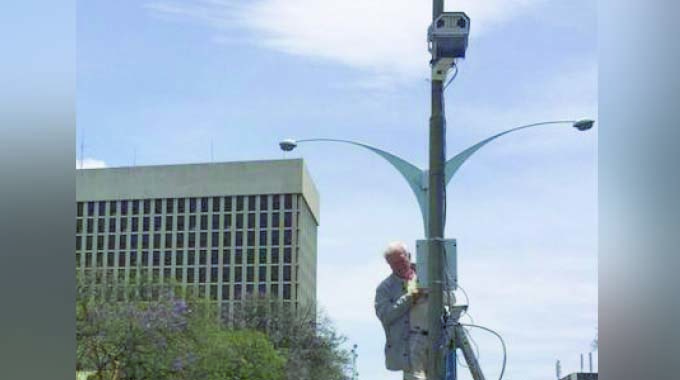
Sikhumbuzo Moyo
POLICE in Bulawayo are today expected to publicly name and shame motorists caught on camera flouting traffic regulations in the city centre following a similar move in Harare last week where 290 offenders were listed.
This marks the second release of names under the Electronic Traffic Management System (ETMS), a technology-driven initiative launched by the Zimbabwe Republic Police (ZRP) to curb reckless driving and restore order on the country’s roads.
The smart surveillance cameras, which were installed at strategic intersections in Bulawayo in August last year, had raised questions among residents about their functionality. However, police have now confirmed that the system is active and already generating actionable results.
“We have the list of offenders and we will be making it public tomorrow,” said national police spokesperson Commissioner Paul Nyathi.
He said the ETMS is an essential part of modern policing, enabling the ZRP to efficiently identify traffic violators through real-time video surveillance.
Last week, the police issued a public notice to 290 motorists in Harare whose vehicles number plates were captured for traffic violations.
Offenders were given seven days to report to the nearest police station.
“The Zimbabwe Republic Police has embraced the Electronic Traffic Management System and is appealing for cooperation from 290 motorists with the listed vehicle registration numbers to assist in the ongoing investigations,” police said in a statement.
“Motorists or vehicle owners are urged to fully cooperate and assist in the maintenance of law and order in the country by reporting to the police within the next seven days.”
Police who urged motorists to be law-abiding and collectively contribute towards road safety, said days of reckless driving are over.
The ETMS uses an advanced network of AI-powered street cameras, equipped with facial recognition, night vision and automatic number plate recognition (ANPR).
The system was introduced as part of Government’s wider strategy to modernise law enforcement through smart policing technologies. The system falls under the Smart City initiative, which aims to integrate digital infrastructure into urban management for better service delivery and public safety.
The ZRP rolled out the programme in collaboration with local authorities and private sector partners, starting with major cities such as Harare and Bulawayo.
Its initial focus has been traffic rules and regulations enforcement but authorities have signalled plans to expand its scope to cover crime detection and prevention.
These technologies allow law enforcement to monitor traffic violations such as driving through red robots, illegal U-turns and speeding. It can detect and track suspects linked to criminal activity, receive real-time alerts when known offenders or flagged vehicles are identified and analyse behavioural patterns and identify high-risk zones.
The AI software can scan and process footage across multiple locations faster than human operatives, significantly improving reaction times and resource allocation.
Apart from enhancing traffic rules and regulations enforcement, the system also contributes to overall urban safety and crime prevention, with footage being stored for post-incident review and accountability.
Police said the rollout of the system is part of the Government’s broader digital transformation agenda under Vision 2030, aiming to build a safer, smarter and more efficient society.
ends