admin
admin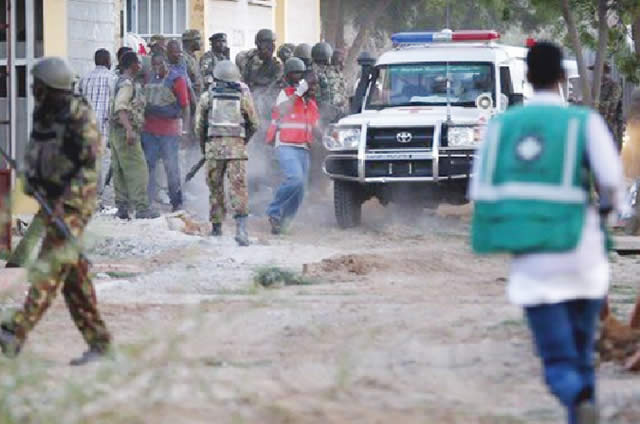

Collins Wanderi
THERE was a time Kenya was hailed as an island of peace in Sub-Saharan Africa and her disciplined; armed and security forces were renowned for their professionalism and thoroughness. In those days; officers, men and women of the disciplined forces walked around proudly displaying their swagger canes and other badges of rank and honour. But not anymore! The reputation of Kenya’s defence and security forces has been on a steady decline since 2001. A few examples will suffice.
Between 2001 and 2009 media was on a daily basis awash with reports of violent robberies, carjacking and hijacking for ransom. Kenyans also witnessed open and brazen daylight attacks on civilians by the Sabaot Land Defence Forces (SLDF) and the murderous Mungiki gang. During and after the Westgate Mall attack in September 2013, blame for the prolonged siege and heavy casualties was laid squarely on the lack of synergy between intelligence, defence and security forces. Similar patterns and blame game followed the deadly terror attacks in Mandera and Garissa. The ongoing brutal inter-ethnic conflicts in Northern Kenya are similarly symptomatic of a national security system that has completely lost its lustre.
But how did we get to this point and what is the anecdote to this malaise? The character of any nation, country or state is defined by the behaviour of its armed — defence and security — forces. The doctrine; orientation and structure of Kenya’s internal security forces is the cause of pervasive insecurity we currently find ourselves in. In October 2013, the High Court annulled the recruitment exercise conducted in July owing to widespread claims of corruption; bribery, nepotism and favouritism.
On April 29th, 2015 Interior Cabinet Secretary Maj Gen Joseph Nkaissery admitted before the National Assembly Security Committee that security officers ignored actionable intelligence which had warned of an attack on Garissa University College. He also admitted lack of synergy and co-ordination by security forces in response to the attack.
The National Police Service Commission (NPSC) has been vetting senior police officers since 2014. Kenyans have been treated to near theatrical stunts by senior police officers who could not adequately explain the source of large sums of money in their bank accounts or account for some of th e operational decisions they had made in the execution of their command. Some officers could not even express themselves in Swahili or English. Clearly, it is evident that some sections of the police service are not manned by the most competent of officers.
There was a time professionals like engineers, lawyers, doctors, journalists, accountants, architects, surveyors, et al joined security forces to offer vital technical services, low pay notwithstanding. At some point national psyche changed and everybody now seems to work only in pursuit of money. The doctrinal bearing and attitude of the security forces also changed in tandem. Hence there is a critical mass of officers who have joined the disciplined forces either because they failed examinations in high school; it was the only job available they could do; to fulfil an ethnic or gender quota; they bribed or have relatives in the security forces and other departments of government who have “helped” them to get enlisted; and to just make money and get rich quickly. With such people in the security forces, the corporate will and ability of these agencies to defend Kenya and protect its citizens is highly compromised.
The government ought to review the recruitment policy and procedure for all security forces. Young people should be allowed to indicate their preference to join security agencies at the same time and in the manner they make career choices after high school. Considerations of gender and ethnic representation should not feature in this process. Service in the security services is not for everybody, but only for those willing to put their lives on the line to protect humanity. A doctrine which emphasises patriotism, service, pride and honour should be a core tenet in every training programme for recruits. For intelligence agents, martyrdom should be the mainstay of their service; not money but duty, honour and the country.
The NPSC should encourage those who want to make money to leave the police service and make money in business!
This opinion originally appeared in africanexecutive.com



 Online Reporter