admin
admin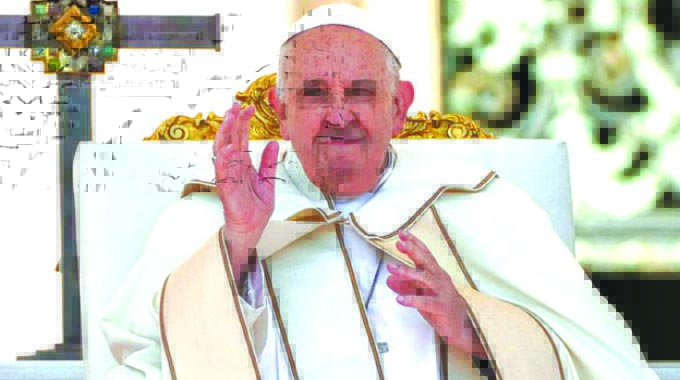
VATICAN CITY. — Pope Francis apologised yesterday after he was quoted using a vulgar and derogatory term about gay men to reaffirm the Catholic Church’s ban on gay priests.
Vatican spokesman Matteo Bruni issued a statement acknowledging the media storm that erupted about Francis’ comments, which were delivered behind closed doors to Italian bishops last week.
Italian media on Monday had quoted unnamed Italian bishops in reporting that Francis jokingly used the term “faggotness” while speaking in Italian during the encounter.
He had used the term in reaffirming the Vatican’s ban on allowing gay men to enter seminaries and be ordained priests.
Bruni said Francis was aware of the reports and recalled that the Argentine pope, who has made outreach to LGBTQ+ Catholics a hallmark of his papacy, has long insisted there was “room for everyone” in the Catholic Church.
“The pope never intended to offend or express himself in homophobic terms, and he extends his apologies to those who were offended by the use of a term that was reported by others,” Bruni said.
With the statement, Bruni carefully avoided an outright confirmation that the pope had indeed used the term, in keeping with the Vatican’s tradition of not revealing what the pope says behind closed doors.
But Bruni also didn’t deny that Francis had used the term and acknowledged that some people had been offended by it.
Francis was addressing an assembly of the Italian bishops conference, which recently approved a new document outlining training for Italian seminarians.
The document, which hasn’t been published pending review by the Holy See, reportedly sought to open some wiggle room in the Vatican’s absolute ban on gay priests by introducing the issue of celibacy as the primary requirement for priests, gay or straight.
The Vatican ban was articulated in a 2005 document from the Congregation for Catholic Education, and later repeated in a subsequent document in 2016, which said the church cannot admit to seminaries or ordain men who “practice homosexuality, present deep-seated homosexual tendencies or support the so-called gay culture.” — AP.



 Online Reporter