Online Reporter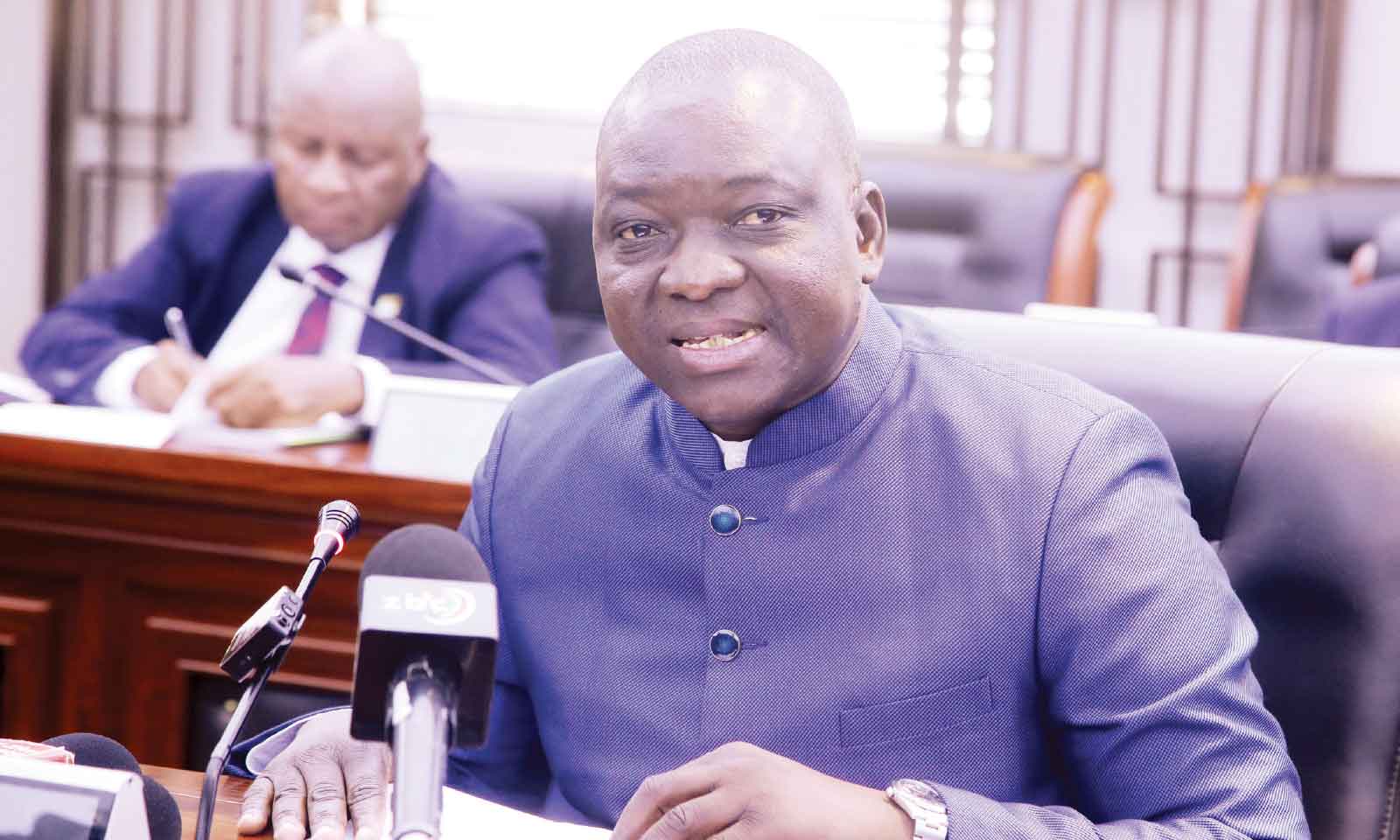
We publish here the third post-Cabinet media briefing presented by Information, Publicity and Broadcasting Services Minister, Dr Zhemu Soda, in Harare yesterday.
NATIONAL ACTION PLAN FOR CHILDREN IV: 2026-2030
Cabinet considered and approved the National Action Plan for Children IV: 2026-2030.
Under the Second Republic, the Government is committed to protecting children’s rights and ensuring they enjoy a dignified childhood through the development of national action plans.
The current plan aims to improve children’s well-being by employing evidence-based methods and fostering multi-sectoral collaboration. Its goals include enhancing access to quality services, strengthening protection mechanisms, increasing community capacity, reducing child labour and ensuring effective policy enforcement.
The plan addresses emerging challenges such as child labour, poverty and online violence, targeting vulnerable groups including orphans and girls who face the risk of child marriage.
It aligns with national, regional and international frameworks, including the Sustainable Development Goals, the United Nations Convention on the Rights of the Child and Zimbabwe’s legal statutes. Additionally, the plan will be linked to the local child protection policies and legislation.
The plan is structured around five pillars, namely: Improved Access to Inclusive Basic Social Services; Ending violence against children; Family and community capacity strengthening; Elimination of child labour; and institutional strengthening and capacity building.
It sets specific outcomes aimed at increasing access to services, reducing harm, empowering families, eradicating child labour and enhancing enforcement. Cross-cutting issues encompassing gender, disability and climate change are also integrated across all pillars.
The plan is supported by a monitoring, evaluation, and learning framework to ensure oversight and stakeholder engagement, along with an advocacy strategy utilising media, community outreach, and public events for information dissemination.
IMPLEMENTATION MECHANISMS FOR RURAL DEVELOPMENT INITIATIVES
Cabinet considered and approved the implementation mechanisms for rural development initiatives.
As the Second Republic accelerates socio-economic transformation, implementation mechanisms have been designed for rural development initiatives to facilitate comprehensive and inclusive updates from all relevant Ministries, Departments and Agencies involved in rural development and industrialisation.
Eleven critical enablers for agriculture-led rural development and industrialisation have been identified for tracking, namely: Capacity building; Finance; Water; Energy; Markets; Infrastructure; Transport; Governance; Coordination, Monitoring and Evaluation, and Information Communication Technology.
To ensure effective implementation, emphasis will be on strengthening the operations of NDS 2 thematic committees, which will meet regularly to produce evidence-based progress reports on rural development and industrialisation efforts. The relevant reports will be consolidated for presentation to Cabinet.
With the view to ensuring results-oriented operations, Cabinet has directed establishment of programmes that promote community-led production initiatives to improve livelihoods, guided by prioritised approaches addressing rural challenges.
These initiatives will align with NDS 2 and ultimately Vision 2030 aspirations, and will be supported by the introduction of a livelihoods upliftment tracker to monitor and evaluate progress.
UPDATE ON THE HOSTING OF THE UNITED NATIONS TOURISM HIGH-LEVEL MEETINGS IN VICTORIA FALLS: APRIL 27 TO MAY 2
Cabinet also received and approved a report on the hosting of the forthcoming United Nations Tourism high-level meetings in Zimbabwe as presented by the Minister of Tourism and Hospitality Industry
Cabinet advises that Zimbabwe will host major United Nations Tourism events scheduled to run back-to-back at the Elephant Hills Resort in Victoria Falls from April 27 to May 1, 2026. The high-profile meetings are as follows:
- The 23rd United Nations Tourism Committee on Tourism and Sustainability (CTS), running from April 27-28;
- The Committee on Tourism and Sustainability-linked Pilot Capacity-Building Workshop, to be hosted from April 28-29, in preparation for the International Year of Resilient and Sustainable Tourism 2027; and
- The 2nd United Nations Tourism Regional Congress on Women Empowerment in Tourism in Africa, running from April 29 to May 1.
Hosting these meetings represents a strategic milestone for Zimbabwe in the journey towards hosting the International Year of Resilient and Sustainable Tourism in 2027, an honour that underscores the country’s political and diplomatic profile within the global tourism governance space.
The mega events will position the country as a top leader in the Meetings, Incentives, Conferences and Exhibitions tourism while the participation of global tourism leaders, policymakers, development partners, sustainability experts and academia will reinforce Zimbabwe’s commitment to sustainable and resilient tourism development practices through alignment with the United Nations Agenda on Sustainable Development Goals and the African Union’s Agenda 2063.
REPORT ON THE CANCER MANAGEMENT BENCHMARKING VISIT TO KENYA
Cabinet received and approved another report on the cancer management benchmarking visit to Kenya by a delegation led by permanent secretary in Vice President KCD Mohadi’s office.
The high-level delegation that visited Kenya from November 30 to December 7 2025 gained invaluable insights on cancer governance and coordination; health financing and universal coverage; research, surveillance, and digital health; radiation regulation; medicines and technologies; health workforce development; and supply chain and equipment maintenance.
The insights will provide prospects for enhanced research and development; cancer financing and strengthened bilateral cooperation on institutional realignment of cancer management; the twinning of oncology institutions; and joint capacity-building initiatives.