Mashudu Netsianda
FIFTEEN-year-old Lissa Moyo (not her real name) from Chimanimani struggled to hold back tears as she recounted the traumatic ordeal that shattered her dream of becoming a doctor.
After excelling in her Grade Seven examinations, Lissa failed to proceed to Form One because her parents could not afford school fees. Desperate to raise money for her education, she travelled to Beitbridge in search of work.
Instead of finding hope, she became the victim of a brutal rape attack in Dulivhadzimu suburb.
“It has always been my dream to become a doctor, but my parents could not afford school fees for me to continue with my education. I travelled to Beitbridge with friends, hoping to find work so I could return to school,” she said softly.
Like many vulnerable girls escaping poverty in rural communities, Lissa believed domestic work would provide a lifeline. She initially secured employment as a live-in housemaid, but the conditions soon became abusive, forcing her to leave.
While searching for another job, she met a man who offered to help her find employment. She declined after feeling uncomfortable around him.
Moments later, the same man allegedly returned wearing different clothes and threatened her with a knife before dragging her into nearby bushes.
“He tied my hands and legs with shoelaces and stuffed cloth into my mouth so I could not scream. After he raped me, he left me there,” said Lissa.
She later managed to free herself and was assisted by a passerby who escorted her to the police station. She was later referred to a shelter for survivors of gender-based violence, where she is receiving counselling and psychosocial support.
Her story reflects the experiences of thousands of vulnerable girls and women across Zimbabwe as rape and sexual abuse cases continue to rise.
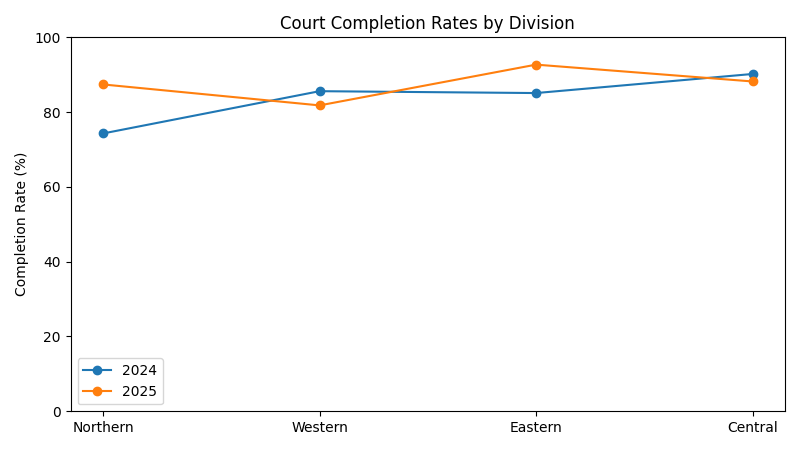
According to Judicial Service Commission (JSC) statistics, Zimbabwean courts handled 3 940 rape-related cases in 2025, almost unchanged from 3 946 cases recorded in 2024. In essence, Zimbabwean courts processed nearly 10 rape-related cases every day in 2025.
However, more cases were finalised in 2025, with completed matters rising from 3 193 to 3 427, while outstanding cases dropped from 753 to 513.
Source of data: Judicial Service Commission
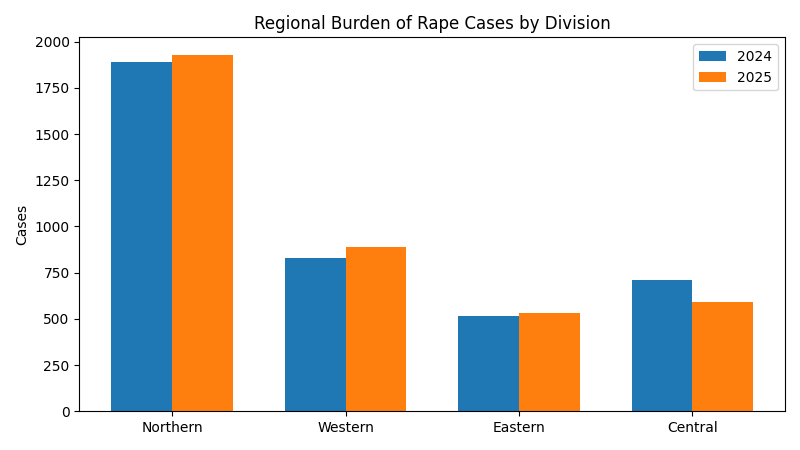
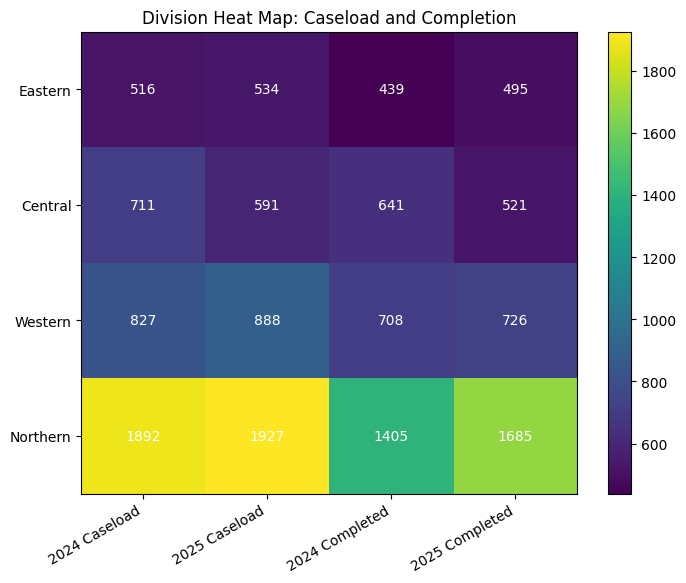
Nearly half of all reported rape-related cases across the country were recorded in the Northern division, which includes Harare and Chitungwiza, Zimbabwe’s two largest urban centres, as well as high-density peri-urban settlements and rapidly growing mining and farming corridors such as Bindura, Guruve, Chinhoyi, Karoi and Kadoma.
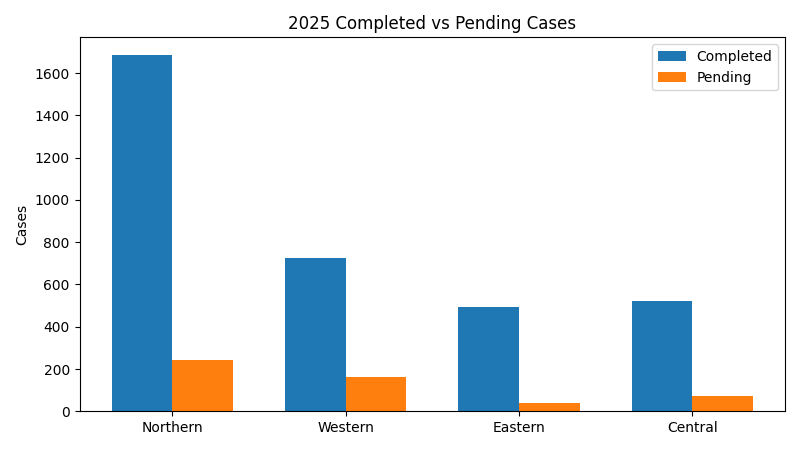
In 2025, the division processed 1 927 cases compared to 1 892 in 2024. Completed cases rose from 1 405 to 1 685, while pending cases declined from 487 to 242.
Source of data: Judicial Service Commission
A legal expert, Mr Nqobile Sithole, said these areas combine high population density, migration, poverty and transient communities, all of which tend to increase vulnerability to sexual violence.
“Harare and surrounding urban courts are generally more accessible than remote rural areas hence survivors are more likely to report rape cases because police stations, hospitals, shelters, social workers and legal aid services are more available,” he said.
Mr Sithole noted that the Northern division’s improved completion rate, rising from 1 405 finalised cases in 2024 to 1 685 in 2025 could suggest the judiciary deliberately concentrated resources where pressure was high.
Source of data: Judicial Service Commission
“The sharp reduction in pending cases from 487 to 242 may indicate more aggressive case management, increased court sittings or prioritisation of sexual offences in heavily burdened jurisdictions,” he said.
The Western division experienced worsening backlogs despite improved case completions with caseloads increasing from 827 to 888 while pending matters climbed from 119 to 162.
The division includes Beitbridge, Zimbabwe’s busiest border town, alongside mining, transport and migration corridors stretching through Hwange, Plumtree and Gwanda.
“Normally, border towns often experience higher levels of sexual violence linked to human trafficking, child exploitation, cross-border migration, commercial sex work and transient male populations associated with trucking, mining and informal trade economies,” he said.
Mr Sithole said Beitbridge attracts migrants, deportees, undocumented job seekers and vulnerable children escaping poverty from different provinces and neighbouring countries.
“Such mobility complicates investigations and prosecutions because witnesses, survivors or suspects frequently relocate before cases are finalised. This can delay trials and increase backlog accumulation even when courts improve disposal rates,” he said.
The Eastern division showed the strongest performance improvement, reducing pending cases from 77 to 39 while increasing completed matters from 439 to 495.
In the Central division, total caseloads dropped sharply from 711 to 591 while completed cases also fell from 641 to 521 with the backlog remaining static at 70.
“This suggests that reduced inflows did not necessarily translate into faster justice delivery. Several explanations are possible and you will find that courts may have faced staffing shortages, circuit court disruptions or resource reallocations,” said Mr Sithole.
The division covers large rural and mining areas such as Gokwe, Zvishavane and Chiredzi, where logistical difficulties frequently affect court operations.
“Some cases may also have become increasingly complex, involving child witnesses, family members or delayed forensic evidence, which often prolongs trial timelines,” said Mr Sithole.
“The decline in new cases nationally that is from 3 478 in 2024 to 3 187 in 2025 calls for a careful interpretation. On the surface, it may suggest reduced incidence of rape, but the broader context indicates the picture is more complicated.”
Source of data: Judicial Service Commission
Mr Sithole said survivors facing poverty may decide to abandon formal justice processes because reporting rape can involve transport costs, medical expenses, continuous court appearances and social stigma.
He further noted that the decline in new cases alongside increased completions may partly reflect improved court efficiency, clearing older cases faster than new matters entered the system.
“The sharp rise in carried-over cases at the start of 2025 from 468 to 753 suggests courts entered the year with a significant accumulated backlog, possibly due to unresolved cases from previous years being formally rolled over,” he said.
A retired magistrate who requested anonymity said poverty, school dropouts and unsafe migration continue to place children at risk.
“When children leave school because of poverty, they become vulnerable to predators who prey on desperation,” he said.
The former judicial officer said the concentration of cases in the Northern division is a reflection of patterns of urban poverty and migration. He further noted that regional disparities in backlogs reflect unequal institutional capacity across the country.
Counsellors and social workers warned that survivors often carry emotional scars for years.
Bulawayo-based counsellor Mrs Nomsa Ncube said many survivors suffer depression, anxiety and isolation long after the abuse.
“Children who experience sexual violence often struggle academically and emotionally because of trauma,” she said.
Social worker Mrs Babongile Gora said unresolved trauma can affect survivors for the rest of their lives.
“Many survivors later struggle with trust and intimacy because certain experiences trigger painful memories of the abuse,” she said.
Ms Gora added that many survivors display severe emotional distress, including withdrawal, anger and bedwetting among children affected by trauma.
Bulawayo provincial social welfare officer Ms Energy Mlambo said Government departments and stakeholders were working together to strengthen support systems for rape survivors.
According to the Zimbabwe Gender Commission, at least 22 women are raped daily in Zimbabwe with an average of one rape taking place per 75 minutes, translating to an average of 646 women being violated each month.
The Commission also reports that one in three girls is also raped or sexually assaulted before they reach the age of 18.5 years and the vast majority of sexual offences are committed by men against women, children and other men.