admin
admin
Nqobile Bhebhe, Senior Business Reporter
MULTI-COMMODITY mining and natural resource development company, Premier African Minerals, is upbeat that exploration results from lithium-bearing mineral assemblage exhibits high spodumene content indicating that its single-minded focus would bring the pilot plant to production soon.
The mining firm is targeting production in the first quarter of next year at its Zulu Lithium project, which is being rolled out in Insiza District, Matabeleland South.
The project is generally regarded as potentially the largest undeveloped lithium bearing pegmatite in Zimbabwe, covering a surface of about 3,5 square kilometres, which are prospectively for lithium and tantalum mineralisation.
It produces a rare high value spodumene, a rock that has very high mineralisation of lithium. Spodumene is a battery grade product, which is key for the future of electric cars.
Due to the emerging electric motor vehicle industry, there is increased international demand for the lithium mineral known as “white oil”, which is used for manufacturing batteries.
Zimbabwe has the largest lithium reserves in Africa and the fifth-largest worldwide.
In a recent trade up, the mining house indicated that as part of the latest results update, it noted multiple thick high-grade zones intersected, lithium-bearing mineral assemblage exhibits in the thickest pegmatite, north and south of the Machakwe River.
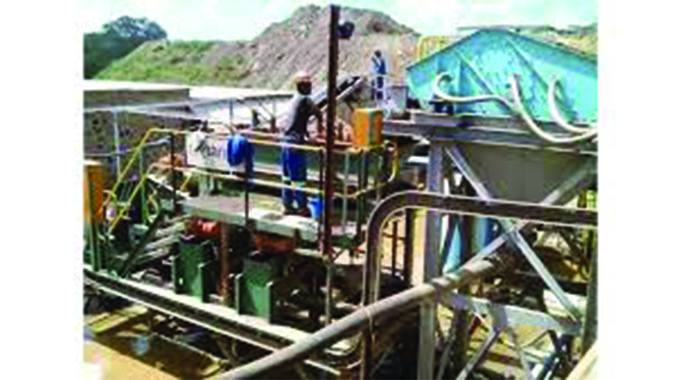
The company said there is consistent progress in construction of the pilot plant on site with visuals from the firm’s official social media updates showing that several structures have been installed.
Chief executive officer, Mr George Roach, said the results are from boreholes that are located within the area planned to be mined under operation of the pilot plant and will constitute a portion of the mineral resource update required.
“These assay results are further confirmation of the integrity of the ore body. At the same time, we continue to receive XRD analysis that supports our conclusions that the main pegmatite ore body is predominantly spodumene,” he said.
“To add context to this, when the source of lithium contained in an ore body is 100 percent spodumene, a grade of one percent Li2O would indicate 12,5 percent pure spodumene and approximately 16 percent SC6 when recovery is 100 percent.
“Whilst results, as they become available, will support new overall resource estimates, our single-minded focus at present is to bring the pilot plant to production and to be assured that we are able to consider early upgrades to that plant to both increase spodumene production and exploit the range of by-product potential that includes tantalum.”
Mr Roach described progress at the mine site as good with delivery of components ongoing on site as the target for spodumene production is still the first quarter of next year.
Festive season delays are largely being managed with work likely to continue throughout the festive season with small break times on a rotational basis.
The scope of the project includes a construction of a dam to consist of a 31 meters long dam wall from ground level.
“Civil support construction both at the plant site and the main masonry arch dam progresses very well despite all the attempts of our wet season to interfere and we remain on target to produce spodumene in Q1 2023,” said Mr Roach.
“Our management team and our team at site, JRG Construction, our civil contractor, and Stark Resources our plant manufacturers and suppliers remain deeply committed to this project and the individual sacrifices of so many are noted and appreciated.”
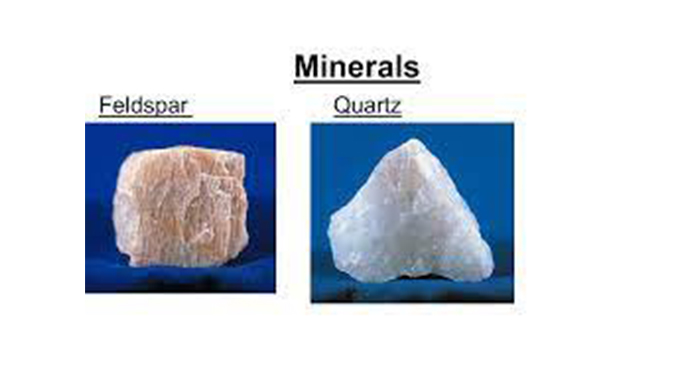
In general, the lithium minerals, occurring in varying quantities, are coarse grained with associated feldspars and quartz with only very minor sulphides being observed.
In several contact zones, the lithium-bearing amphibole, holmquistite, has been observed.
Lithium is a mineral used in the manufacture of batteries and its demand has risen sharply because of the demand for electric cars especially in developed countries, which are forging ahead with plans to phase out fossil fuels such as petrol and diesel in the next coming years.



 Online Reporter