Online Reporter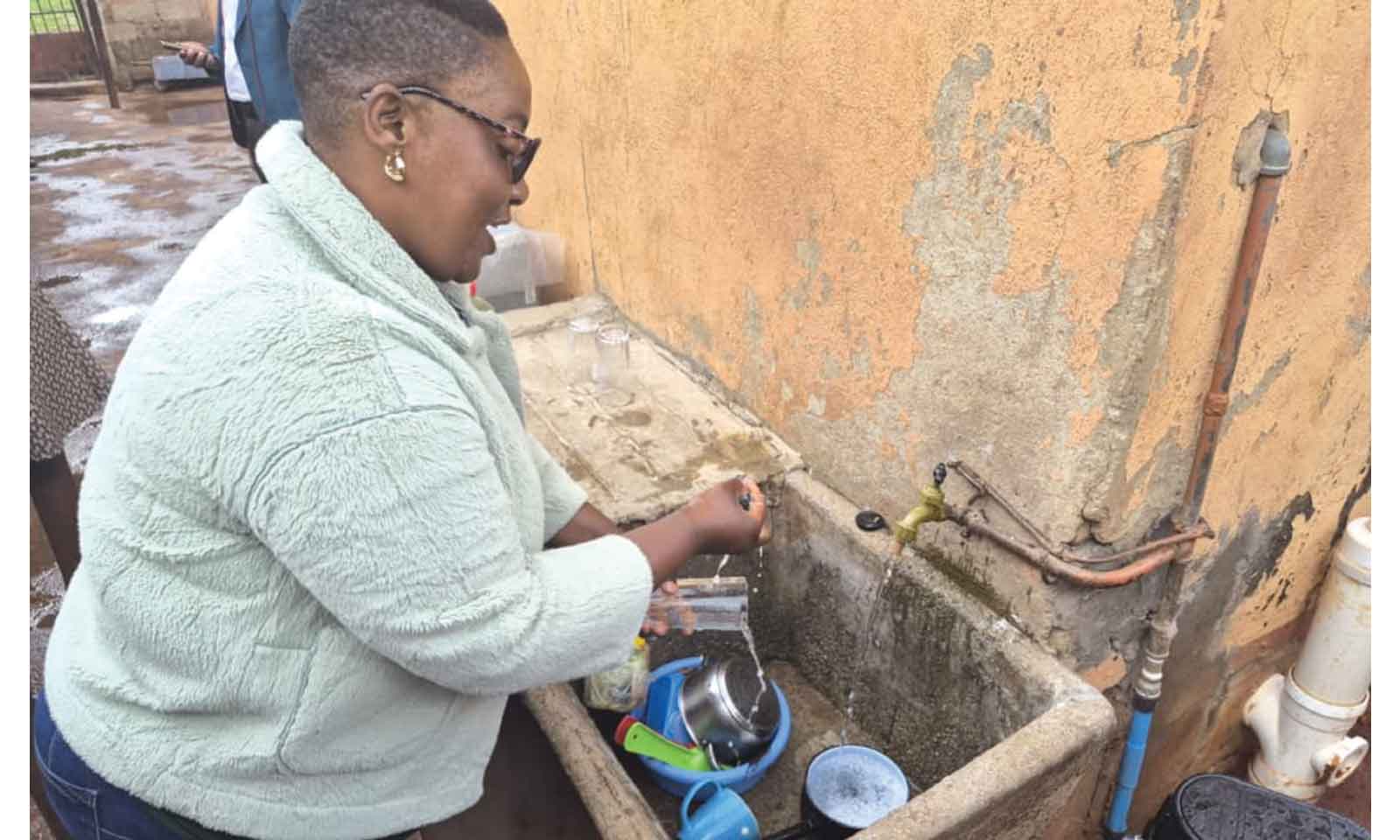
Remember Deketeke
For 42‑year‑old Ms Spiwe Naison, life in Warren Park 1 was once defined by a daily struggle for water — a struggle that forced residents to rely on a stormwater drain, aptly named goronga in Shona, for survival.
“We used to drink water from the stormwater drain (goronga) because water never came, and when it did, it was so dirty that no one could drink it — we could only use it for gardening,” she said.
The goronga, located near Warren Control Water Works, carried water used to cool machinery at the pumping station.
Although it often appeared clean, it was never meant for human consumption. Yet for years, it became the community’s lifeline.
“This is where most residents came to fetch water for everything — drinking, bathing and washing,” said Ms Naison.
Buckets and containers would line the edge of the drain as families queued for water in the absence of a reliable municipal supply.
Despite the risks, residents had no alternative. Access to safe, clean water remained a distant dream, with ageing infrastructure and inconsistent supply exposing communities to health hazards.
But the situation has begun to improve.
The rollout of prepaid water meters and the replacement of ageing pipes in Harare’s western suburbs are transforming access to clean water, bringing relief to communities long affected by erratic supplies, unsafe sources and unreliable billing systems.
“For the first time, I can now bathe using a shower and wash my plates using tap water — something I never experienced growing up,” said Ms Naison.
When The Herald visited her home, she stood by the sink washing dishes while softly singing along to music in the background — a simple moment that carried deep meaning.
“You can continue with the interview while I wash my plates because I want that part to be seen. I have never, in all my years in Warren Park, used tap water like this,” she said.
Her experience reflects a broader shift driven by the introduction of prepaid water meters. Under the system, households pay in advance for water, similar to prepaid electricity.
Each household is allocated a meter that tracks consumption in real time, allowing residents to manage usage according to what they can afford.
The system also eliminates estimated billing, where residents were previously charged based on projections rather than actual consumption — a practice that often resulted in inflated and disputed bills.
City authorities and private partner Helcraw Water have also embarked on replacing old and leaking pipes, improving water pressure and reducing losses within the distribution network.
Mr Charles Bere, also from Warren Park 1, said the changes have brought much‑needed consistency.
“We used to have serious water challenges. At times, we would only receive water once every fortnight,” he said. “The installation of prepaid meters and replacement of old pipes has helped ensure that we now get consistent and clean water.”
Similar experiences are emerging in other suburbs. In Aspindale, Ms Muriel Mangwende said residents had long struggled with estimated billing, where charges were based on assumptions rather than actual usage.
“Sometimes you would get a bill that did not reflect what you had used, and it would be difficult to dispute it,” she said. “With prepaid meters, you now only pay for what you consume, which is fair.”
The improvements are part of a broader initiative involving Helcraw Water, a private company contracted to support the modernisation of Harare’s water infrastructure.
The programme focuses on upgrading distribution systems, installing prepaid meters and improving service delivery through a more sustainable, cost‑recovery model.
Helcraw Water managing director Mr Zodeck Muchoko said significant progress has already been made.
“As of Thursday last week, we had installed 21 000 prepaid meters and laid approximately 20 kilometres of piping,” he said.
He said the initiative aims to improve efficiency, reduce water losses and ensure a more reliable supply across the capital. Residents say the changes are already restoring dignity, improving hygiene and reducing reliance on unsafe water sources.
For Ms Naison, the transformation is deeply personal. What was once a community dependent on a goronga is now gradually transitioning to the simple but powerful reality of clean water flowing from the tap.
While challenges such as affordability remain for some households, the progress marks a significant step forward for communities that had long been left behind.
In Warren Park 1, the days of drawing water from a stormwater drain are slowly fading — replaced by the dignity of safe, reliable water at home.