

 Online Reporter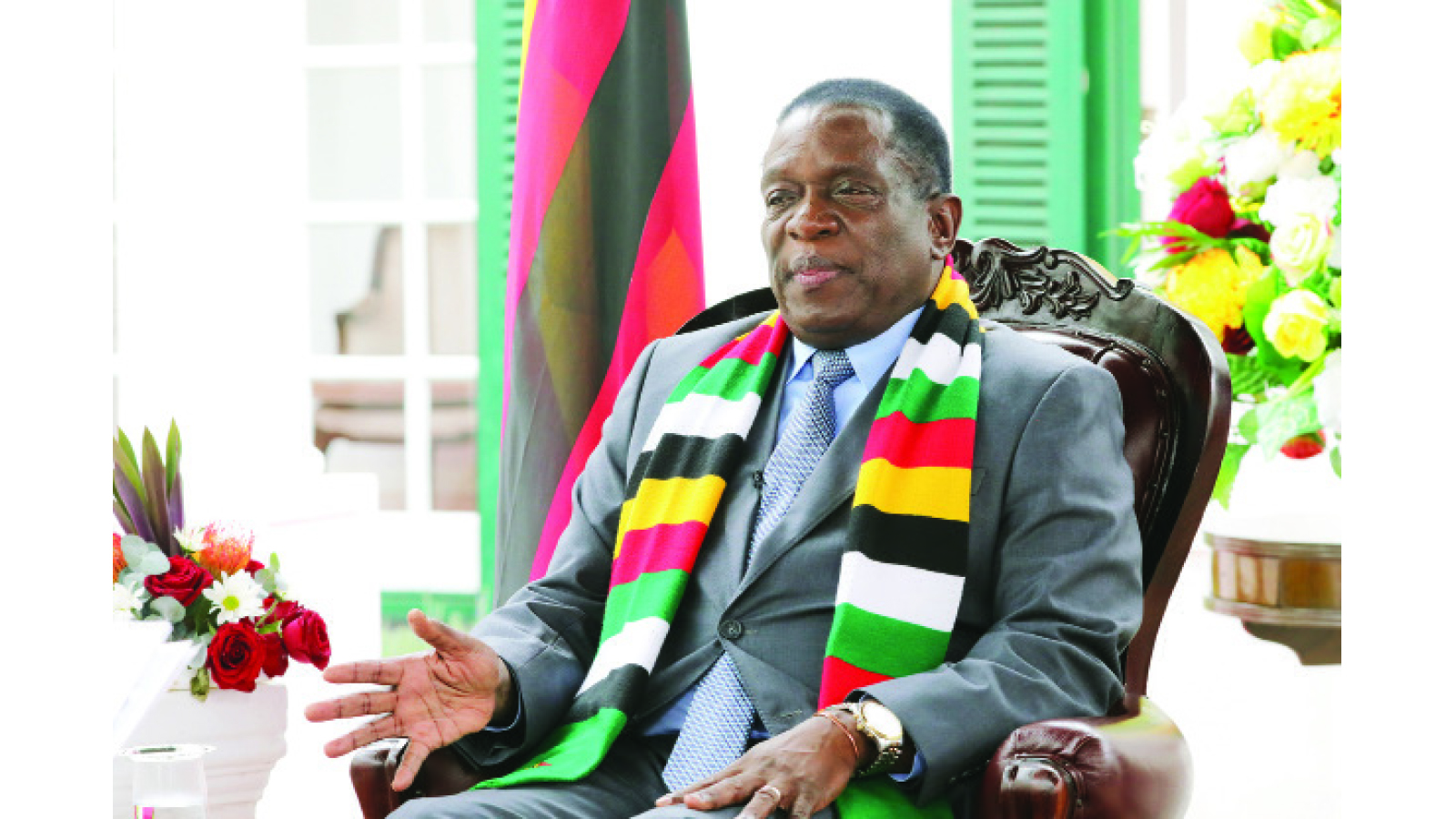
Richard Muponde Zimpapers Politics Hub
PRESIDENT Mnangagwa’s leadership under the Second Republic has been consistent in pushing for peace, reconciliation and national unity, creating a conducive environment for the country’s economic turnaround in the face of Western sanctions.
Since assuming office in 2017, the President has pursued an inclusive agenda of healing and development, rallying citizens under the mantra “Nyika Inovakwa neVene Vayo,” a call for Zimbabweans to build their nation together, “leaving no one and no place behind.”
From the outset, President Mnangagwa sought to mend divisions that had long characterised the nation’s politics.
His administration operationalised peace institutions, engaged opposition parties in dialogue, and prioritised the empowerment of citizens to rise above the effects of sanctions.
This has seen the economy grow to one of the fastest in the SADC region, with multilateral institutions such as the IMF and World Bank acknowledging Zimbabwe’s resilience and progress.
An extract from the recently launched book: “Standing Against Illegal Sanctions” highlights the enduring impact of punitive measures like the U.S. Zimbabwe Democracy and Economic Recovery Act (ZIDERA) of 2001.
The book was launched on the Anti Sanctions Day Commemorations at the Museum of African Liberation Village recently.
Sanctions were intended to cripple Zimbabwe’s economy and pressure its leadership to reverse land reform and indigenisation policies.
However, the book notes that under President Mnangagwa’s leadership, Zimbabwe “defied the coercive intent of the sanctions by choosing peace over provocation and self-reliance over surrender.”
“President Mnangagwa’s philosophy of local agency transformed the peace landscape,” the book observes.
“It insisted that within Zimbabwe lay the solutions to her own challenges. The Second Republic turned external adversity into a unifying national project anchored on reconciliation, dialogue, and economic innovation.”
The President’s approach has not only focused on ending political polarisation, but also on preventing the recurrence of conflict through institutional mechanisms.
The National Peace and Reconciliation Commission (NPRC), established under Chapter 12 of the Constitution, was revitalised to promote healing, justice and unity.
The Commission’s thematic committees have since worked with diverse stakeholders, including political actors, churches, traditional leaders, and youth, to promote dialogue and peaceful elections.
A landmark in President Mnangagwa’s peace-building initiative was the establishment of the Political Actors Dialogue (POLAD) in 2019.
The platform brought together 17 presidential candidates from the 2018 elections to collectively address the nation’s challenges.
The President also launched the Presidential Advisory Council and the Tripartite Negotiating Forum, creating spaces for engagement between Government, business, and labour.
In a tweet on 22 January 2019, President Mnangagwa appealed to all political and civic leaders to unite for national dialogue, saying, “What unites us is stronger than what could ever divide us. Let’s begin a national dialogue. Let’s put the economy first. Let’s put the people first.”
His reconciliation efforts extended to addressing historical grievances, notably through engagement with the Matabeleland Collective to promote healing and social harmony in the region.
These initiatives have gradually transformed Zimbabwe’s peace and political landscape, turning conflict zones into cooperation platforms.
The book further notes that the peace architecture built under Mnangagwa “is strategic in that it addresses the root causes of political violence and economic deprivation while reinforcing a shared national identity.”
It adds, “The Second Republic’s insistence on inclusivity, dialogue, and the primacy of local solutions has created an enduring framework for peace that resists external manipulation.”
Under this reconciliatory environment, Zimbabwe has witnessed political defections from opposition parties to the ruling ZANU PF, a development analysts view as a sign of growing confidence in the stability and vision of the Second Republic. President Mnangagwa’s upcoming meeting with thousands of returning citizens to Zanu PF is expected to reaffirm the nation’s collective spirit of building together despite economic constraints.
The Second Republic’s peace strategy, combining local ownership with institutional strength, has proven pivotal in sustaining national stability. Despite sanctions that continue to weigh on the economy, President Mnangagwa’s Government has turned adversity into opportunity, mobilising unity and resilience as tools for progress.
“The coercers may continue to punish Zimbabwe,” the book concludes, “but the Second Republic has shown that peace, not protest, is the truest form of resistance. By choosing dialogue and development, Zimbabwe has reclaimed its destiny.”-@muponderichard


 Bongani Ndlovu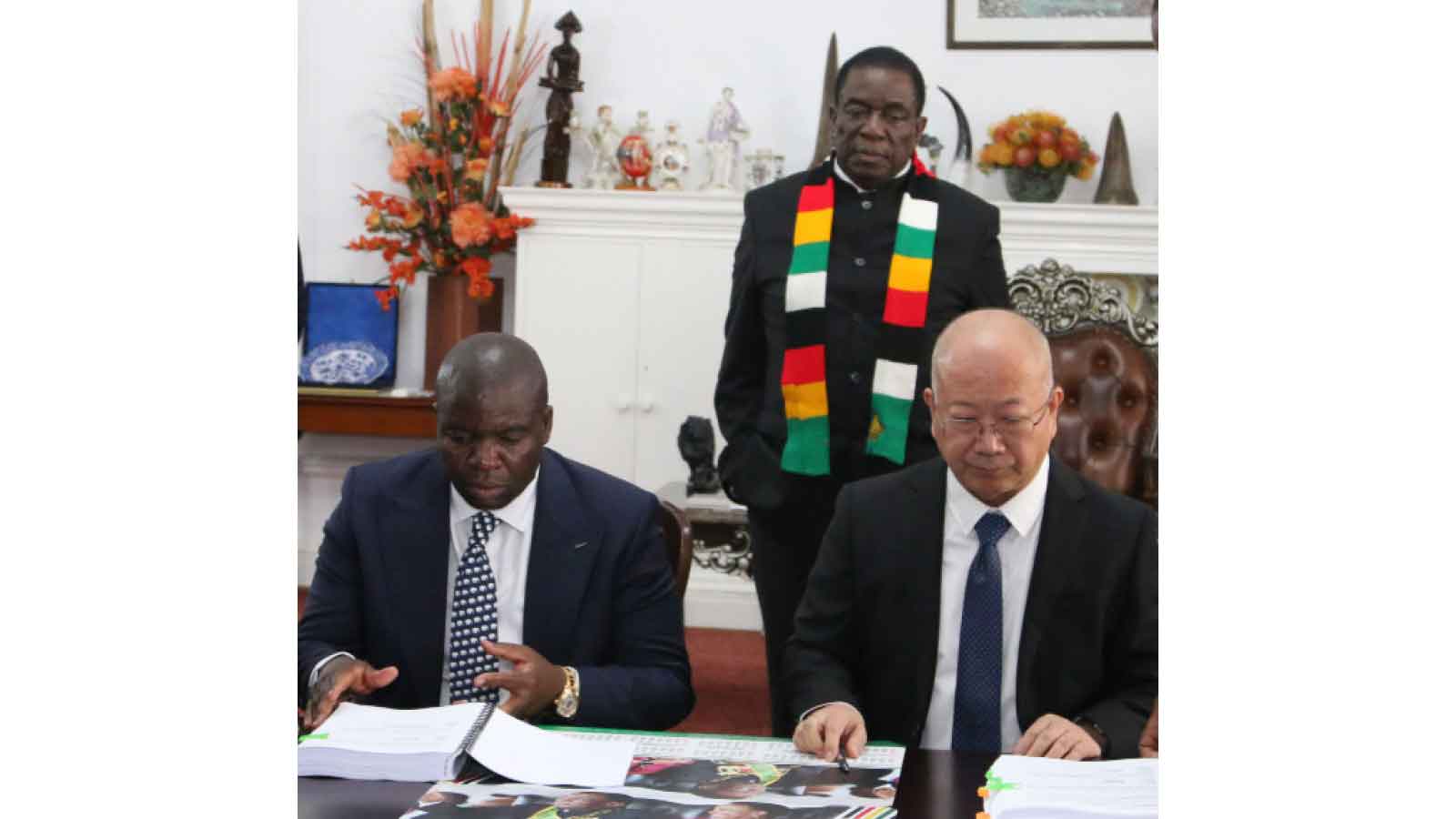
Great piece but what is the Herald take on Wicknell Chivhayo and his seemingly easy access to ED. Does that not “devalue” ED status as Head of State?I think I speak for the majority of Zimbos to say ED is soiling his legacy by having such “hangers on ” around him. At times it is better to speak the truth than bootlick