Online Reporter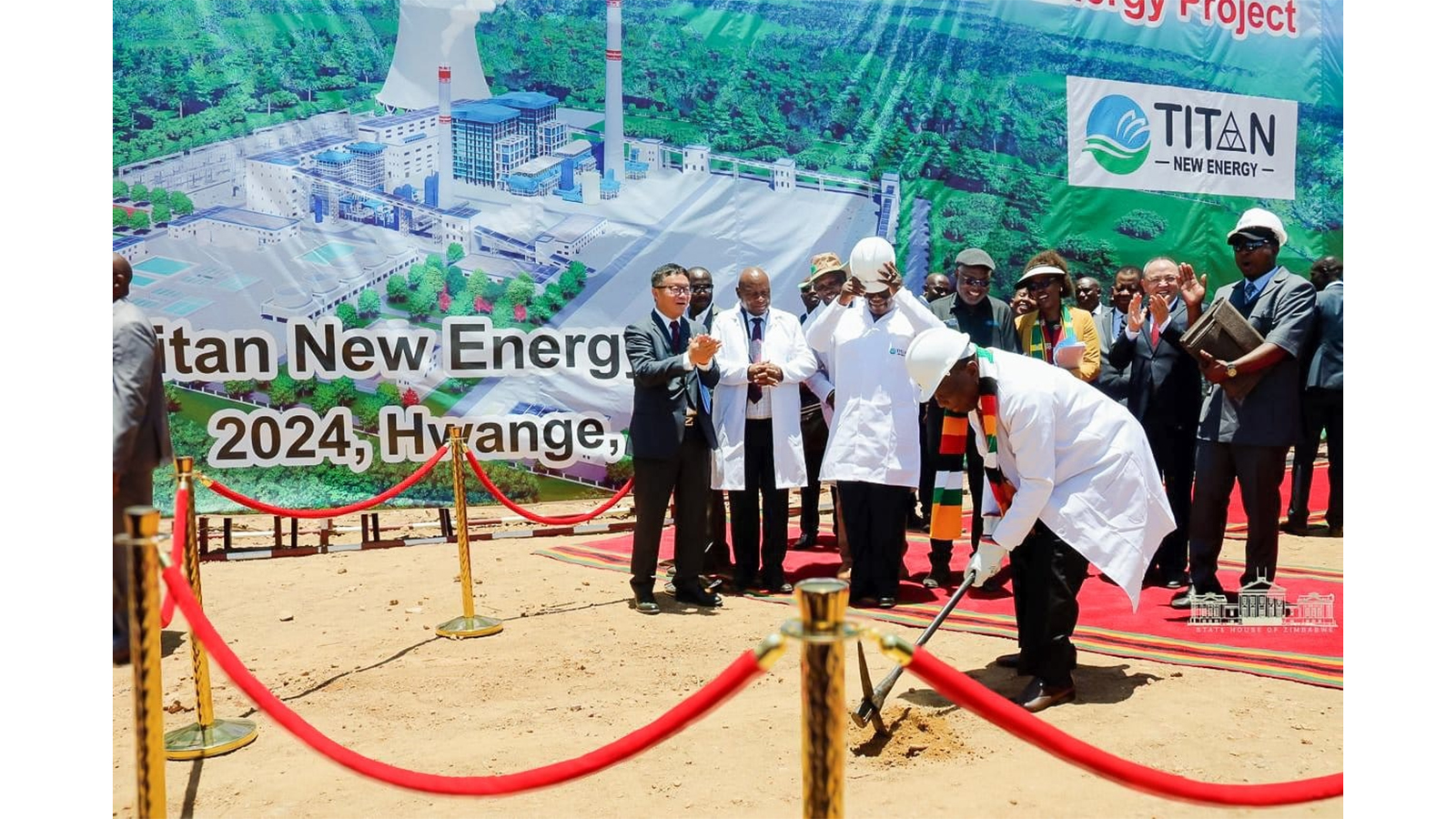
Trust Freddy-Herald Correspondent
OVER 35 000 households have been added to the national grid since the beginning of the year, while electrification of the country’s clinics has reached 94 percent as the Second Republic continues to deliver on its promise to achieve universal energy access.
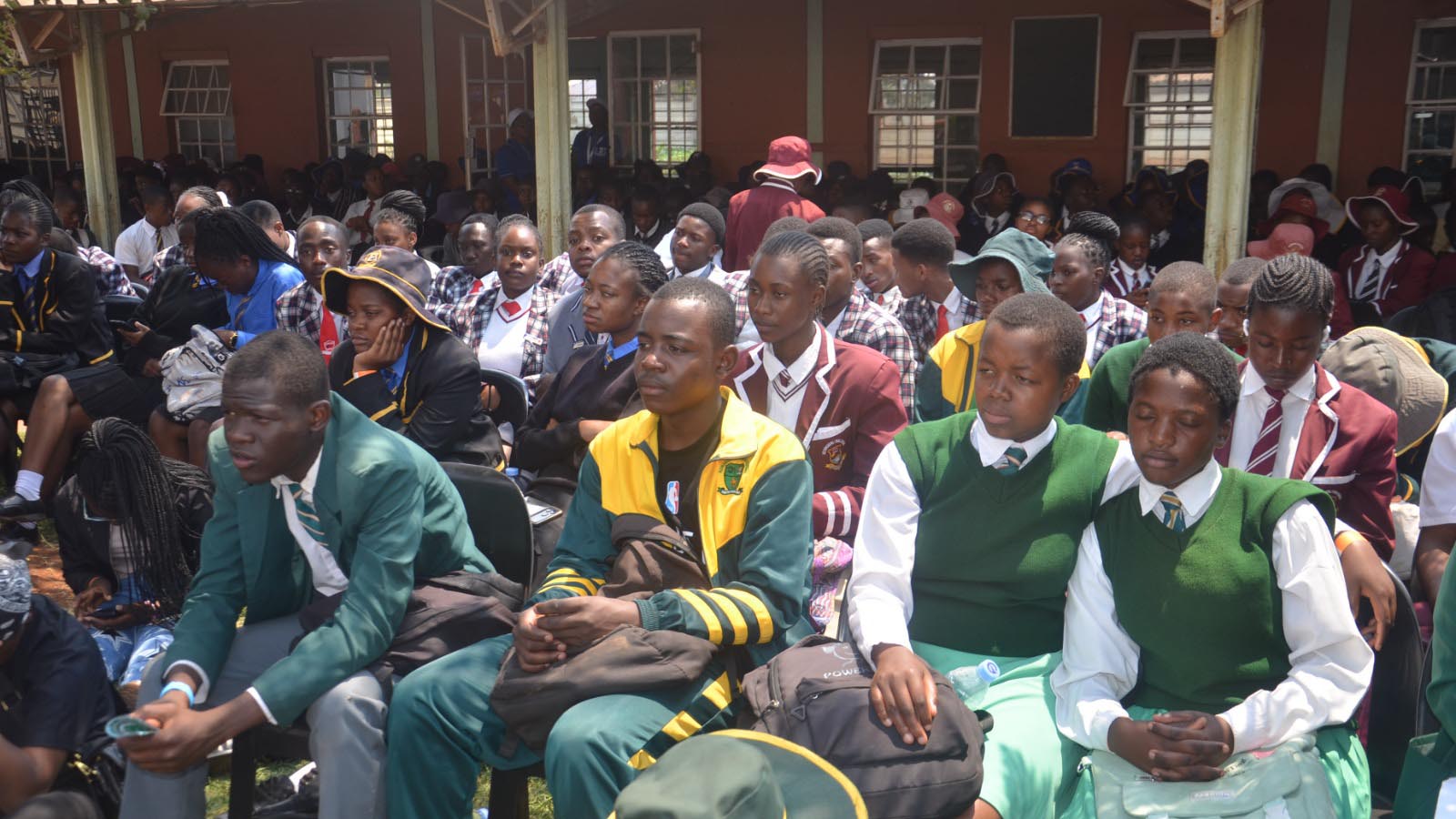
This also comes as the electrification drive has resulted in 69 percent of primary schools and 82 percent of secondary schools now having access to electricity, with Powertel set to provide internet services to all schools connected to the national grid.
The ongoing electrification programme is in line with President Mnangagwa’s transformation plan that seeks to achieve universal access to modern, affordable and sustainable energy by 2030.
Speaking at a ground-breaking ceremony for the new 720MW coal thermal power plant being implemented by Titan New Energy in partnership with Zesa Holdings in Hwange in December last year, President Mnangagwa described energy access as key to achievement of Vision 2030.
“Electricity is the lifeblood of industrialisation and is critical for our mining, agriculture and manufacturing sectors, among others. These vital projects also reaffirm Zimbabwe’s commitment to achieve energy self-sufficiency and determination to leap towards a future driven by innovation,” he said.
- Related stories: https://www.heraldonline.co.zw/president-mnangagwa-arrives-for-the-ground-breaking-ceremony-of-720mw-energy-project-in-hwange/
- https://www.heraldonline.co.zw/president-launches-us1bn-energy-plant/
Energy and Power Development Minister July Moyo revealed the progress at a 2026 pre-budget seminar which was held in Bulawayo recently, where he shared updated statistics, highlighting the country’s strides in achieving universal access despite limited resources.
“What did we achieve? We have connected 35 000 houses to the national grid and have 8,25 percent new power generation capacity added to the grid and about 750km of new power distribution lines,” he said.
Minister Moyo also revealed that the electrification of all clinics across was almost 100 percent.
“When it comes to clinics, we are at 94 percent. Let’s finish these clinics so that everyone who goes to a clinic in the rural areas knows that the pharmaceuticals that have been put there are not rotting in the sun.”
Subject to the availability of funds, Minister Moyo said his ministry was targeting to have all schools electrified by next year.
“We are saying next year, let’s finish all the schools. We are at 69 percent to finish every primary school before the Minister of Education adds the other 3 000. But we are at 69 percent countrywide and I know some provinces have done much better than that, but the national average is 69.
“For secondary schools, we are at 82 percent and let’s finish in 2026 so that we give every child in this country the same opportunity to learn digitally.”
Since coming to power, President Mnangagwa has made concerted efforts to address power challenges in the country.
Government typically funds the complete installation of the electricity network, including poles and the grid, up to the school premises.
However, many schools have struggled to pay ZESA’s upfront connection fee, leaving the ready infrastructure unused for up to five years.
To remedy this, Minister Moyo said his ministry had directed ZESA to connect all schools immediately without demanding the connection fee upfront.
“You will see many schools where we have put electricity . . . the schools are failing to light up. So it is sitting for five, six years . . . We have said ZESA, go and connect and start charging when they are using because when it is sitting at your doorstep and you have not connected, because the connection upfront fees are too much, then there is no usage.”
He also said that Government had directed ZESA Holdings’ internet subsidiary, Powertel Communications, to provide internet to all schools.
“We have directed the Powertel to say, wherever the electricity is going, the power lines are there, come back with the backbone to have ICT and have connectivity and we then appeal to the Minister of ICT to say, can you now go and give computers? This is our plea on the Rural Electrification Fund.”
Other key achievements, Minister Moyo said, include the launch of the energy efficiency policy and compact, development of the integrated energy resource plan, and review of the energy policy as well as successfully implementing over 344 electrification projects for 2025.
“To achieve the universal access by 2030 — we need to start budgeting toward the US$4,6 billion contribution from the public sector,” Minister Moyo added.
“To achieve the energy compact targets there is need to prioritise resource mobilisation, strengthen inter-agency coordination, and enhance community engagement to safeguard energy infrastructure and energy security and adequacy.
“We need to start now by allocating funds to scaling up renewables and clean cooking initiatives, rehabilitating and building new networks . . .This is a necessary step.”