Africa Moyo [email protected]
PRESIDENT Mnangagwa has extended the state of disaster declared over degraded river ecosystems to January 28, 2027, giving authorities and approved contractors additional time to complete rehabilitation works on rivers damaged by mining activities.
The extension, provided for under Statutory Instrument 173 of 2026 published in the Government Gazette on Thursday, follows a determination that rehabilitation works remain incomplete and have yet to satisfy the Inter-Ministerial Committee on Riverine Ecosystems Rehabilitation.
The President first declared a state of disaster in May this year, paving the way for the mobilisation of resources and engagement of contractors to rehabilitate rivers affected by legal and illegal alluvial mining.
The latest amendment extends the original declaration, made under Statutory Instrument 91 of 2026, while preserving the powers, duties and administrative arrangements governing the rehabilitation programme.
In the latest notice, President Mnangagwa said the extension was necessary because “rehabilitation works on the rivers specified in the principal notice remain ongoing and have not yet been completed to the satisfaction of the Inter-Ministerial Committee on Riverine Ecosystems Rehabilitation”.
The declaration will remain in force until January 28 next year, unless revoked earlier or extended further.
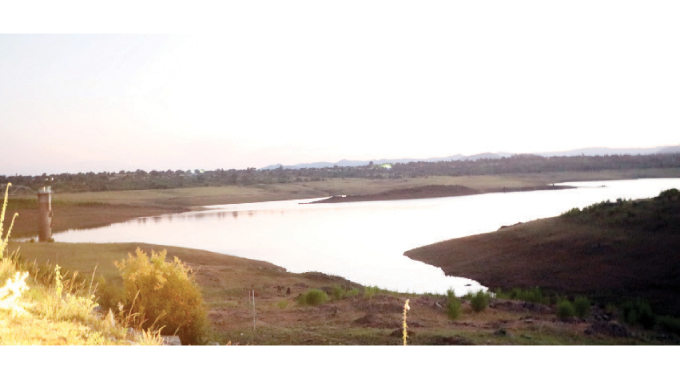
The rehabilitation programme targets 17 rivers across six provinces that have suffered environmental degradation over the years, largely due to mining activities that disturb riverbeds, damage riverbanks and disrupt watercourses.
The affected rivers include Mazowe and Murowodzi in Mashonaland Central; Mazowe and Save in Mashonaland East; Angwa, Sanyati, Munyati and Mupfure in Mashonaland West; Umzingwane and Insiza in Matabeleland South; Manzimudaka, Mutebekwi, Sanyati and Mtshingwe in the Midlands; and Mutare, Haroni and Nyamukwarara in Manicaland.
When declaring the state of disaster, the President said a comprehensive framework was needed to support and accelerate the recovery of riverine ecosystems significantly degraded by riverbed and alluvial gold mining.
Rivers are vital sources of water for communities, agriculture and other economic activities, making their rehabilitation essential for environmental protection and the sustainable management of water resources.
The original statutory instrument established an Inter-Ministerial Committee on Riverine Ecosystems Rehabilitation to supervise the programme, approve contracts and oversee implementation.
The committee is jointly chaired by the ministers responsible for the environment and water resources, with the ministers responsible for mining, home affairs and local government also represented.
A National Clearing House Committee supports the process by coordinating applications from prospective contractors and handling related administrative functions.
Under SI 173 of 2026, published on Thursday, the existing composition and mandate of the two committees remain unchanged.
The rights and obligations of approved contractors are also preserved, while rehabilitation contracts concluded under the original notice are deemed to have their duration extended in line with the new deadline.
The programme seeks to restore degraded river systems, promote long-term ecological recovery and ensure rehabilitation activities are undertaken within the established legal and administrative framework.
The extension provides the responsible authorities and contractors with additional time to complete the restoration works and advance efforts to protect the country’s riverine ecosystems.