Online Reporter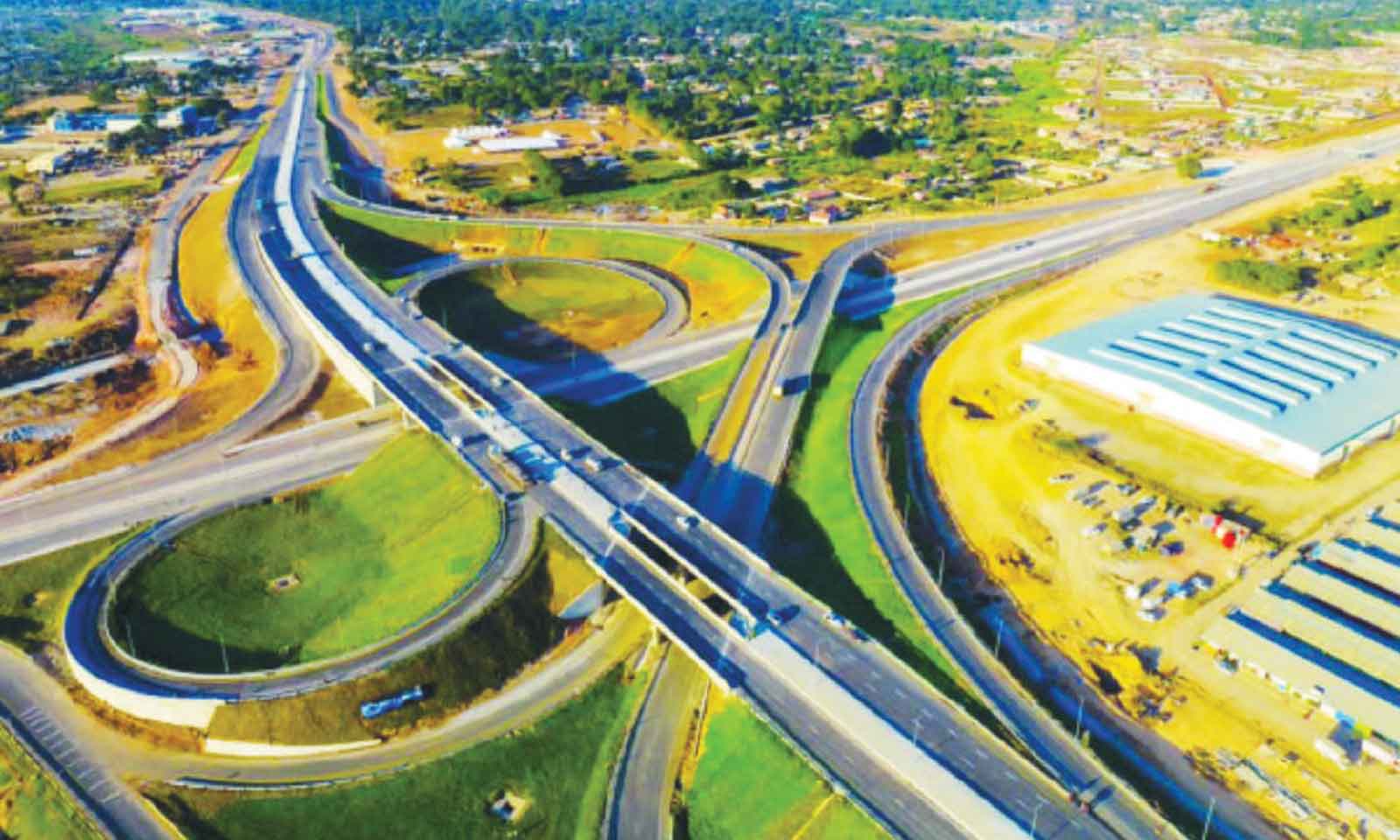
MacDenias Moyo-Correspondent
SINCE 2017, Zimbabwe has been transformed under the Second Republic.
The promise of Vision 2030 is no longer a distant aspiration but a living reality unfolding across every province. The Government has declared that no one and no place shall be left behind. This declaration has been matched by action, by delivery, by tangible progress that has reshaped the nation and uplifted the lives of its citizens.
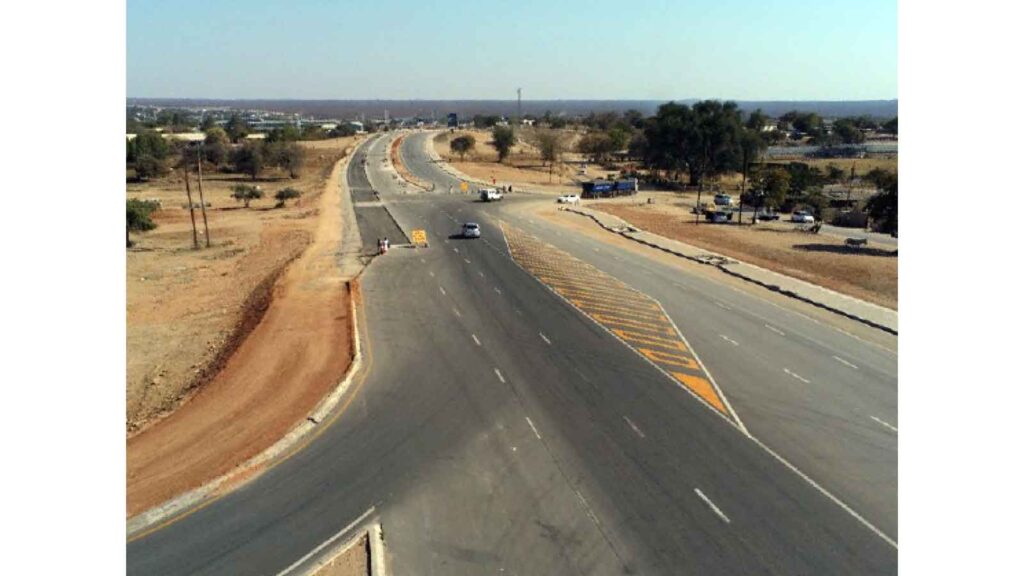
The highways of Zimbabwe now stand as monuments to this progress. The Harare-Masvingo Beitbridge Highway, once a dangerous stretch of road, is now 548km of modern infrastructure open to traffic. For the ordinary Zimbabwean, this means safer travel, reduced transport costs and faster access to markets and services.
The Emergency Road Rehabilitation Programme has restored over 5 000km of roads, reconnecting villages, towns and cities. This has brought rural farmers closer to urban markets, children closer to schools and patients closer to clinics.
The Beitbridge Border Post has been modernised into the most advanced land port in the region, easing trade and travel. For traders and cross-border families, this means shorter queues, faster clearance and reduced costs.
The Robert Gabriel Mugabe International Airport expansion, completed in 2024, has positioned Harare as a continental hub. This has opened Zimbabwe to more flights, more tourists and more business opportunities. Joshua Mqabuko Nkomo Airport and provincial airports are being upgraded, ensuring that every province is connected to the skies.
The Trabablas Interchange in Harare has eased congestion and stands as a symbol of modern engineering. For the commuter, this means less time wasted in traffic and more time for productivity.
Energy security has been advanced through the commissioning of Hwange Units 7 and 8, adding 600 megawatts to the national grid. For the ordinary Zimbabwean, this has meant the end of crippling power cuts that once darkened homes and stalled factories. Shops can now refrigerate goods without fear, students can study at night, and industries can operate continuously.
The Dinson Iron and Steel Company in Manhize has risen as Africa’s largest steel plant, projected to create up to 25 000 jobs. This is not just steel, it is employment for thousands of families, housing for workers and a new industrial backbone for the nation.
In Mutare, a resin production plant worth US$15 million has been established employing over 2 500 people. For the community, this means jobs, incomes and dignity restored.
Agriculture has been revolutionised. Dams such as Gwayi Shangani, Muchekeranwa, Tokwe Mukosi and Marovanyati have been expanded to boost irrigation. For the farmer, this means water security, higher yields and resilience against drought.
Over 220 billion Zimbabwean dollars have been earmarked to rehabilitate irrigation and convert 350 000 hectares into irrigable land. This translates into more food on the table, lower prices in markets and export earnings for the nation.
Rural industrialisation has been advanced through projects such as the Mapfura processing plant in Mwenezi, employing over 150 people seasonally and beneficiating local resources. For villagers, this means jobs close to home, incomes that circulate locally and pride in seeing rural resources turned into finished products.
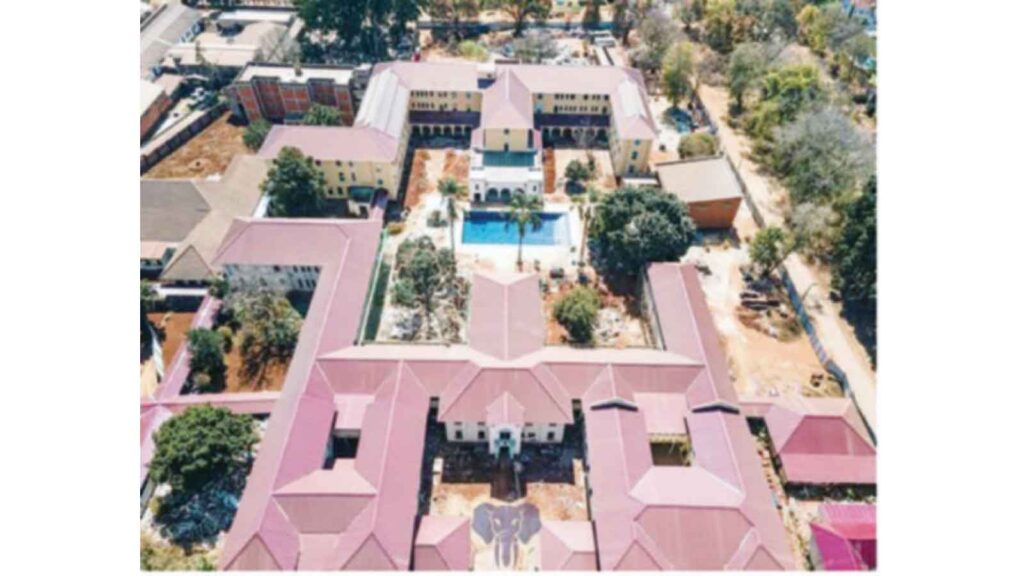
Health has been strengthened. Parirenyatwa Group of Hospitals has been refurbished, Mbuya Nehanda Maternity has been modernised and nurse training facilities have been expanded. For mothers, this means safer deliveries and for patients it translates to better care, whilst for nurses, it has resulted in improved training.
The Presidential Rural Clinic Programme has built or upgraded 320 clinics since 2020, ensuring that no village is more than ten kilometres from a health facility. For rural families, this means shorter walks to treatment, quicker response to emergencies and reduced deaths from preventable diseases.
The Angel of Hope Drug Rehabilitation Centre has been established to address the scourge of substance abuse. For affected families, this means hope, healing and reintegration.
Housing has been advanced through the Presidential Housing Programme, delivering units in Dzivaresekwa, Marondera and Prospect with a target of 220 000 units by 2030. For ordinary citizens, this means affordable homes, security of tenure and dignity restored.
Civic services have been modernised. The Mutare Registrar’s Office has issued over 30,000 e-passports since September 2025, symbolising efficiency and modernisation. For citizens, this means faster access to travel documents, reduced corruption and easier mobility.
Youth empowerment has been advanced through loans worth over ZiG6 billion issued to youth-led businesses via Empower Bank and partners. For young entrepreneurs, this means capital to start businesses, jobs created and dreams realised.
Education has been strengthened with over 1 500 schools receiving desks, classroom blocks and solar-powered computer labs. E-learning has been expanded to rural schools, ensuring that no child is left behind. For the child in a rural village, this means access to modern education, digital literacy and equal opportunity.
The scale of delivery is monumental. Between 2018 and 2024, 9 706 programmes and projects were implemented, with 6 660 completed. In 2024 alone, 834 projects were run with 431 completed.
These are not promises but achievements and these are not mere slogans but realities. For the ordinary Zimbabwean, this means visible change in communities, jobs created, services delivered and hope restored.
International organisations have testified to this progress. The African Development Bank has praised Zimbabwe’s fiscal discipline and infrastructural development. The United Nations Development Programme has supported climate resilience projects, recognising Zimbabwe’s commitment to sustainable growth.
The World Health Organisation has acknowledged Zimbabwe’s advances in rural health infrastructure. The International Monetary Fund has noted improvements in fiscal management and macroeconomic stability. These voices from across the globe testify that Zimbabwe is on a positive path.
Bilateral ties have been strengthened.
China has invested in infrastructure and energy, including the Hwange Thermal Power Station expansion. Russia has invested in Alrosa’s diamond mining in Chiadzwa.
The European union has opened new avenues for trade. The African Development Bank has financed road rehabilitation. For the ordinary Zimbabwean, these partnerships mean jobs, markets and opportunities. They mean factories built, roads paved and communities uplifted.
The Government has delivered in infrastructure, energy, agriculture, health, housing, civic services and youth empowerment. It has re-engaged with the world, strengthened bilateral ties and secured international recognition.
It has stabilised inflation, reformed institutions, empowered entrepreneurs, expanded agriculture, transformed mining, strengthened health, connected ICT and rebounded tourism.
This is the march of destiny. This is the covenant of sovereignty. This is the triumph of the people. Zimbabwe is on the path to becoming an upper-middle-income economy by 2030. President Mnangagwa has delivered and continues to deliver. Everything else is noise.