MacDenias Moyo
Zimbabwe’s march towards Vision 2030 has been illuminated by a monumental infrastructural renaissance under the Second Republic.
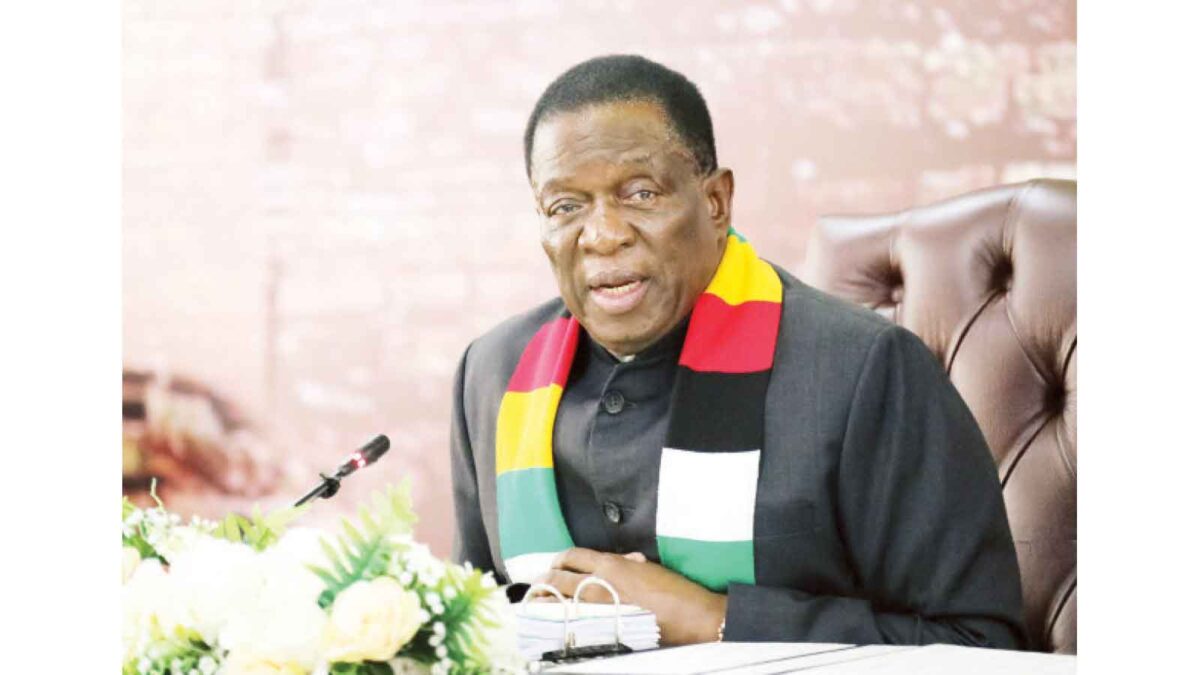
Guided by President Mnangagwa’s creed “Nyika inovakwa nevene vayo,” the nation has witnessed a transformation that is both sweeping and tangible.
Roads, bridges, dams, schools, universities, energy plants, housing schemes, industrial complexes, ICT networks, water projects, hospitals, clinics and sporting arenas have risen across the land. This renaissance has been driven not only by Government, but also by visionary private citizens whose contributions cannot go unnoticed.
The Harare-Masvingo-Beitbridge Highway, stretching 580 kilometres, has seen over 550 kilometres completed, transforming Zimbabwe’s busiest trade corridor into a modern artery of commerce.
The Manyame River Bridge and Mucheke River Bridge in Masvingo have eliminated bottlenecks, while the Gunguhwe Bridge in Gokwe North and Mabori Bridge in Mberengwa have ended decades of isolation for rural communities. These structures are lifelines, knitting together the nation’s social and economic fabric.
The Gwayi-Shangani Dam, nearing completion, is poised to irrigate thousands of hectares in Matabeleland North, transforming the region into an agricultural hub. The Vungu Dam in Kwekwe and Defe Dam in Gokwe South are under construction, promising irrigation and water security for Midlands farmers.
The Presidential Borehole Programme has drilled over 5 395 boreholes nationwide, bringing clean water to villages and schools. Urban centres such as Harare and Bulawayo have seen rehabilitation of water treatment plants, ensuring reliable supply to millions. These interventions have restored dignity, improved health and enhanced productivity.
Hundreds of new classrooms have been constructed nationwide, with ICT centres and laboratories now standard in many rural schools.
Universities such as Midlands State University and Great Zimbabwe University have expanded with new lecture theatres, student accommodation and research facilities. These investments mean children in Gokwe or Binga now learn in modern facilities and university students have access to infrastructure that prepares them for global competitiveness.
Zimbabwe has unveiled a US$340 million broadband investment pipeline, including TelOne’s Wireless Broadband Deployment, Fibre-to-the-Home rollout and Powertel’s GPON project. These initiatives will connect over 900 000 households and SMEs and 500 000 rural users, accelerating digital inclusion.
The National Data Centre in Harare has become a hub for e-governance and cloud services. Fibre optic cables have been laid across provinces, expanding internet access to rural schools, clinics and businesses. Citizens can now access banking services, e-commerce platforms and educational resources from their villages, bridging the urban-rural divide.
The commissioning of Hwange Units 7 and 8 has added over 600MW to the grid, stabilising supply and reducing load shedding. Solar projects in Matabeleland South and Mashonaland West are feeding clean energy into rural clinics and schools.
Industrial infrastructure has flourished, with the Manhize Steel Plant positioning Zimbabwe as a continental steel producer, while lithium processing plants in Goromonzi and Bikita have inserted the nation into the global battery supply chain. These projects have created thousands of jobs, fostered skills transfer and ensured beneficiation of minerals.
Housing schemes in Harare’s Dzivaresekwa Flats and Bulawayo’s Cowdray Park have provided modern homes for thousands. Growth points such as Lupane and Murehwa now boast shopping complexes and residential units, transforming rural landscapes into semi-urban centres. These developments have given citizens dignity in shelter and access to services once confined to cities.
Hospitals and clinics have been modernised and expanded across provinces. The Bindura Provincial Hospital has seen new wards and equipment, while the Lupane Provincial Hospital has been completed to serve Matabeleland North. Rural clinics in Binga, Gokwe and Chipinge have been electrified and supplied with running water, enabling safe childbirth and medical procedures.
The Parirenyatwa Group of Hospitals in Harare has received modern diagnostic equipment, reducing the need for patients to travel abroad. These investments have saved lives, improved maternal health and strengthened resilience against pandemics.
Tourism infrastructure has been revitalised, positioning Zimbabwe as a premier destination. The Victoria Falls International Airport, modernised with extended runways and new terminals, has increased tourist arrivals.
The Mosi-oa-Tunya International Cricket Stadium in Victoria Falls is under construction, preparing the nation for global sporting events. Resorts along Lake Kariba have been refurbished, while new lodges in Hwange and Gonarezhou have expanded eco-tourism.
Rehabilitation of roads leading to Nyanga and Chimanimani has opened up Eastern Highlands to greater tourist traffic. These projects have boosted hospitality, created jobs and showcased Zimbabwe’s natural wonders to the world.
The rise of Chahwanda Stadium in Kwekwe, built by businessman and miner Shepherd Chahwanda (Sekuru Magodora), has become a landmark of private-sector commitment to national development. In Harare, Prophet Walter Magaya’s Heart Stadium has set new benchmarks in privately funded sports infrastructure, while Scott Sakupwanya is spearheading the construction of a stadium for his team, Scottland FC, in Ruwa and Mabvuku.
The refurbishment of the National Sports Stadium and construction of the Mosi-oa-Tunya International Cricket Stadium have restored Zimbabwe’s capacity to host international fixtures. Local stadiums in Bulawayo and Mutare have been upgraded, ensuring sport becomes a unifying force and a source of economic activity.
Government expenditure of ZiG11,8 billion on infrastructure in the first half of 2026 alone underscores the seriousness of this agenda. By mobilising local and international financing, the administration has ensured that infrastructure is not a burden but an investment.
Citizens benefit through jobs, reduced costs, improved services and opportunities to build businesses. Investors benefit through streamlined processes and reliable infrastructure. Agriculture, ICT, healthcare, tourism and water projects have ensured that development is holistic, touching every dimension of life.
Zimbabwe’s infrastructural renaissance is visible in stadiums rising from mining towns, bridges spanning rivers, dams securing agriculture, fibre optic cables connecting villages, boreholes restoring dignity, hospitals saving lives and resorts welcoming the world. It is a renaissance driven by both government and private citizens, proving that “Nyika inovakwa nevene vayo” is not a slogan but a creed embodied in stone, steel, water and digital fibre. As the nation marches towards Vision 2030, these projects stand as monuments of sovereignty, resilience and progress, ensuring that Zimbabwe’s rebirth is both comprehensive and enduring.