Online Reporter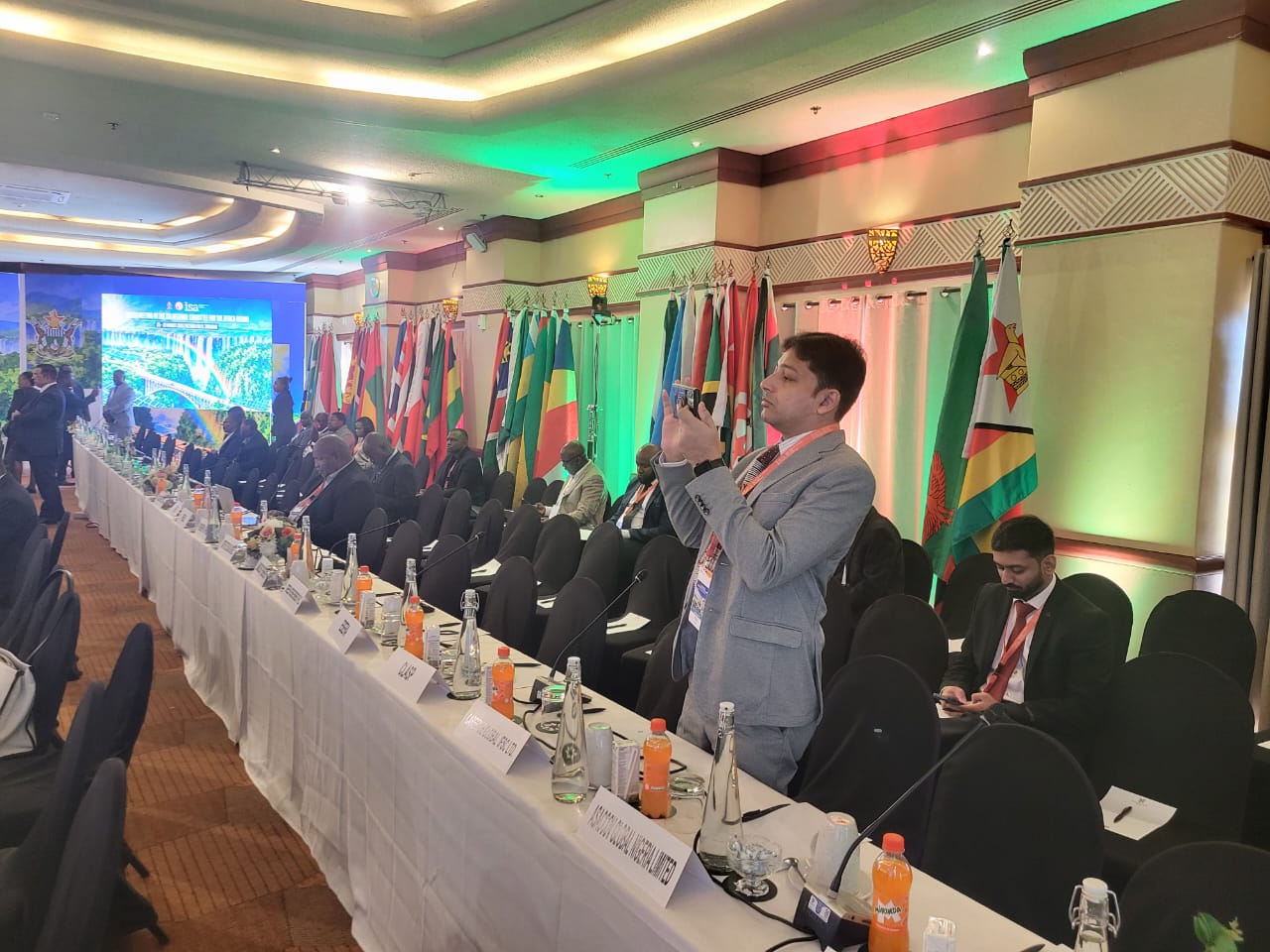
Mashudu Netsianda in Victoria Falls
PRESIDENT Mnangagwa is today (Wednesday) expected to officially open the 8th International Solar Alliance (ISA) Regional Africa Committee Meeting being held in Victoria Falls, as Zimbabwe positions itself at the centre of efforts to accelerate solar energy adoption across the continent.
The high-level meeting, which began on Tuesday and has brought together representatives from about 40 countries, is expected to produce several key outcomes, including Zimbabwe becoming the 11th African country to sign the Africa Solar Facility and the adoption of the Zimbabwe Declaration prioritising solar energy use in agriculture.
Permanent Secretary in the Ministry of Energy and Power Development Engineer Gloria Magombo confirmed that President Mnangagwa would officially open the meeting virtually from State House in Harare.
“The President, His Excellency Dr ED Mnangagwa will today officially open the 8th Meeting of the ISA Regional Committee for Africa Region in Victoria Falls virtually. The First Lady, Dr Auxillia Mnangagwa, will also join us in the meeting,” she said.
“We will start with the official opening of the exhibitions here in Victoria Falls before tuning in to the State House in Harare for the official opening by the President.”
The ISA, a multilateral institution of the Global South headquartered in India and comprising 128 member countries, is organising the meeting in partnership with the Ministry of Energy and Power Development on behalf of Zimbabwe.
ISA director-general Mr Ajay Mathur Khanna said Africa had reached a point where it needed to move beyond discussions and accelerate the actual deployment of solar power.
He said Zimbabwe’s hosting of the meeting was significant, with more than 40 African countries represented.
“We are seeing a huge increase in solarisation of countries and Africa itself has increased use of solar by 200 percent in the first six months of this year,” he said.
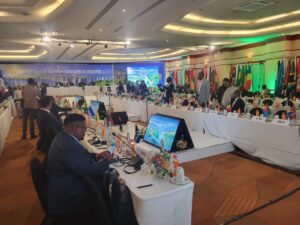
Mr Khanna said declining costs, climate benefits and the flexibility of solar power, including its use in decentralised systems such as rooftop installations, were making the technology increasingly attractive.
“Africa is now ready not only for talks but for actually going big. In the next three days we will be releasing a flagship report on solarisation in Africa, not about what needs to be done but how Africa can take leadership because we believe Africa now has momentum, strong political will and strong endeavour to lead,” he said.
A major highlight of the meeting will be the signing of the Africa Solar Facility involving the ISA, Africa50 and the Nigerian Investment Authority.
The financing vehicle is expected to support African private-sector entrepreneurs investing in decentralised solar projects.
Mr Khanna said African countries needed to strengthen their own capacity to develop and implement solutions to the continent’s energy challenges.
Despite possessing vast solar resources, Africa continues to face a major financing gap.
Mr Khanna said about US$2 trillion was invested globally in clean energy last year, but only two percent of that investment came to Africa, despite the continent accounting for about 60 percent of the world’s solar potential and an estimated 600 million Africans lacking access to electricity.
Agriculture is another major focus of the meeting, with the ISA seeking to promote solar-powered irrigation and other renewable-energy applications in the agricultural sector.
The meeting is expected to advance initiatives aimed at expanding Africa’s pipeline of solar projects while strengthening local expertise in policy development, regulation, procurement and private-sector participation.
The Zimbabwe Declaration is expected