Sidumisile Mabena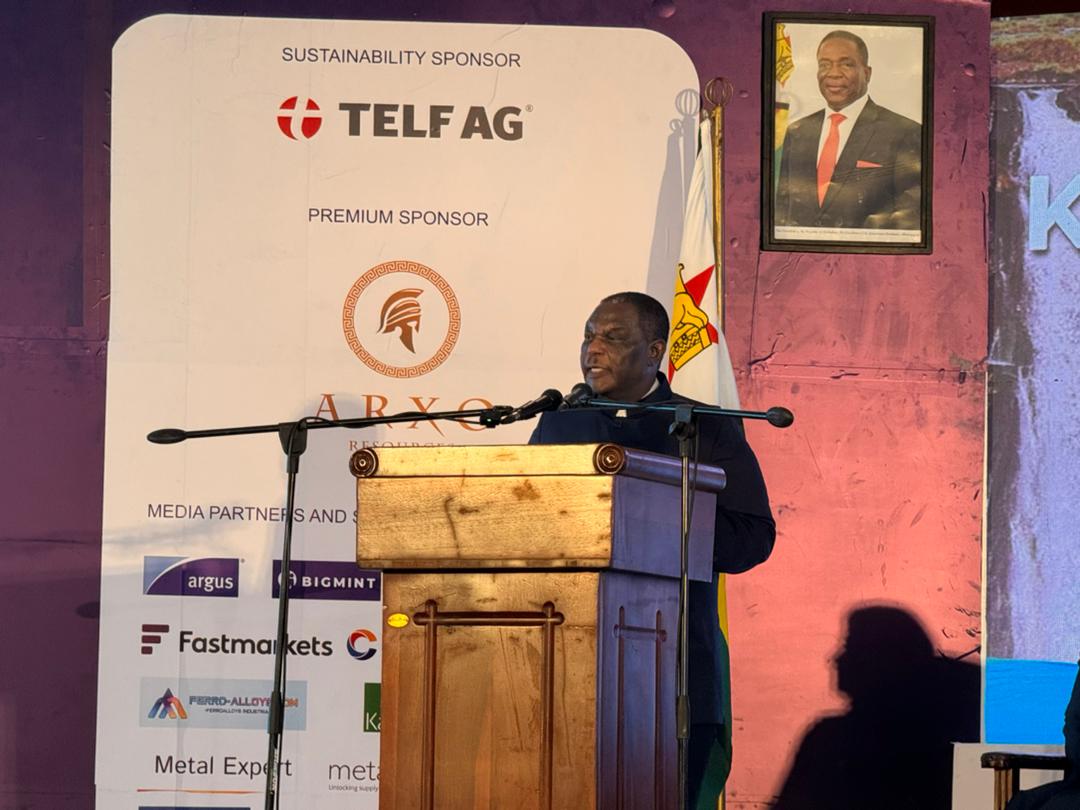
Rutendo Nyeve, [email protected]
THE Second Republic’s bold decision to reinstate the chrome ore export ban in 2022 is yielding tangible results, with the country now operating 17 ferrochrome smelters and recording a 19 percent surge in ferrochrome exports to 433 000 metric tonnes in 2025.
Officially opening the Africa Chromium Week Conference in Victoria Falls yesterday, Vice President Dr Constantino Chiwenga said Zimbabwe is now ranked fourth globally in chromite production and sixth in high-carbon ferrochrome. 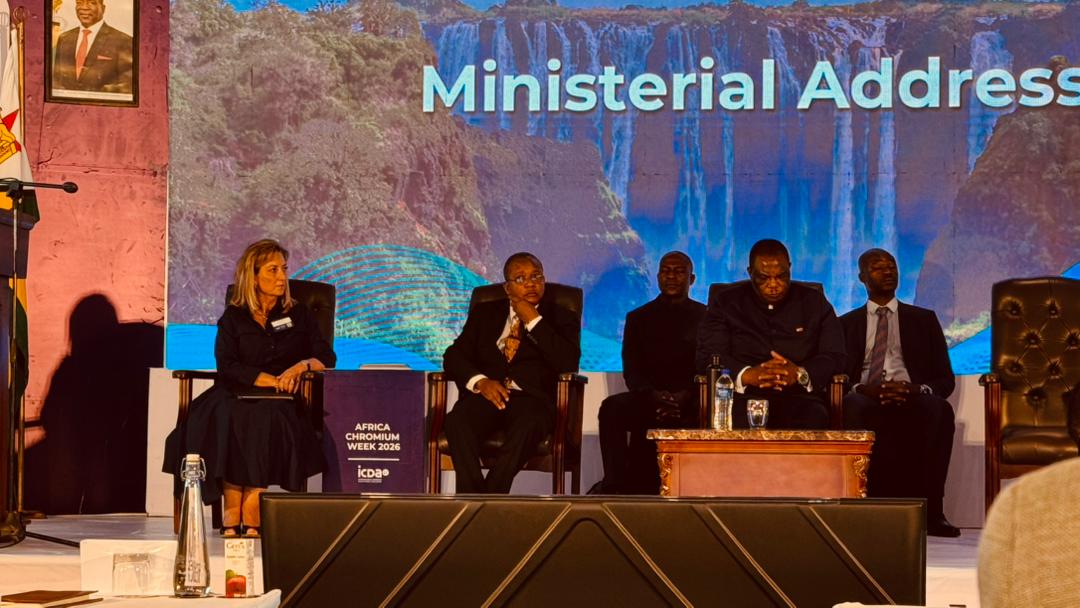
“We did not retreat. Instead, we invested and scaled capacity,” said VP Chiwenga, who was speaking on behalf of President Mnangagwa.
He highlighted flagship projects reshaping the industrial landscape, including the US$3,6 billion Palm River Energy Metallurgical Special Economic Zone, which will house a two-million-tonne-per-year ferrochrome smelter, a coking plant, a 1 200MW power complex and an industrial park, creating 10 000 direct jobs.
The Manhize Steel Plant produced 146 000 metric tonnes in 2025, representing 450 percent value growth.
In February 2026, Government suspended all raw and semi-processed mineral exports across lithium, platinum group metals, nickel and chrome concentrates.
On power challenges, VP Chiwenga said Government is offering subsidised electricity tariffs to ferrochrome producers while mandating captive power development.
Zimplats’ 110MW solar plant at Selous is progressing, and Hwange thermal units are being rehabilitated.
“Chrome smelters that invest in their own captive power will receive commensurate mining titles and fiscal support,” he said.
The Vice President commended the International Chromium Development Association for choosing Zimbabwe as host for the second time in Africa, saying this reflects recognition of Government’s strides in the chrome value chain.
He called on investors to deploy capital into beneficiation, co-develop energy solutions and establish downstream industries, stressing that Africa must lead the global chromium transformation.
The conference has attracted delegates from Africa, Europe, Asia and the Americas.



 Online Reporter