Online Reporter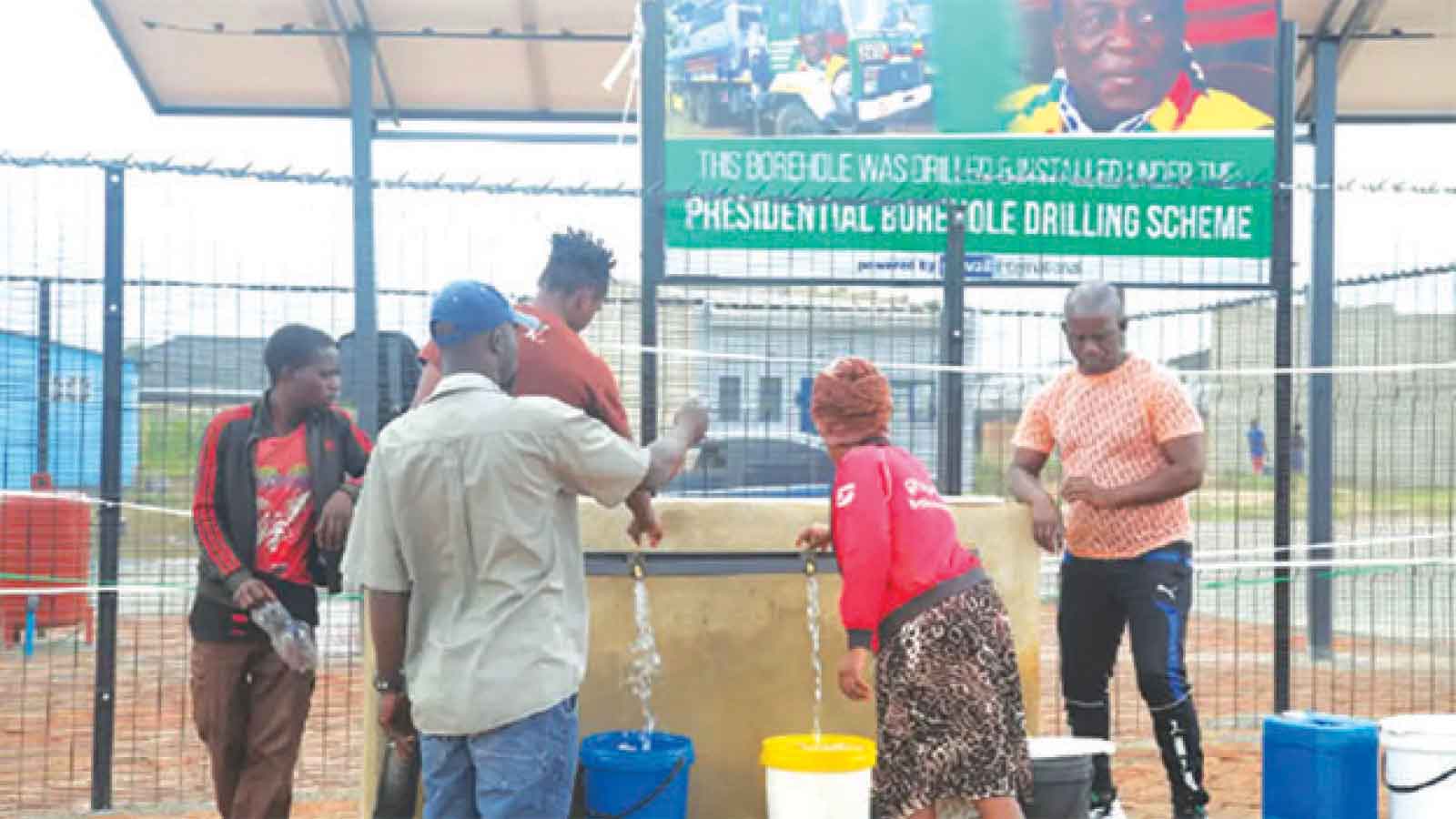
Precious Manomano
Herald Reporter
THE Presidential Borehole Drilling Programme in Zimbabwe is a transformative initiative that continues to empower rural communities by significantly improving access to clean water.
By addressing critical water shortages, this scheme is redefining rural life, enhancing agricultural productivity and supporting food security. With a focus on community involvement, the programme not only provides sustainable water sources for households but also fosters economic growth and creates opportunities for education.
As it tackles challenges such as waterborne diseases and reduces the burden of water collection, the initiative is paving the way for resilient and self-sufficient communities across Zimbabwe.
Launched in December 2022, the programme aims to drill one borehole per village, ensuring clean and safe water for communities, schools, and agricultural projects. By mid-2025, the Government had successfully drilled over 4 000 boreholes under Presidential Rural Development Programme (PRDP) while Rural Infrastructure Development Agency (RIDA) has drilled over 45 000, enhancing living conditions and promoting sustainable development across the nation.
This monumental initiative aims not only to ensure access to clean water, but also to pave the way for transformative rural industrialisation.
The PRDP is a bold vision for rural upliftment that seeks to establish 35 000 Village Business Units (VBU) across 35 000 villages.
The programme, managed by the Zimbabwe National Water Authority, has already achieved remarkable milestones.
So far, 2 890 boreholes have been drilled under the scheme, benefiting numerous families. The distribution of these boreholes is significant, with Manicaland contributing 429, Mashonaland West 206, Midlands 300, Masvingo 535, and Harare 346, among others.
Communities across Zimbabwe are starting to reap the benefits of this initiative. Residents in Muzarabani have expressed their appreciation for the programme, which they believe will eradicate water scarcity, allowing them to engage in life-sustaining agricultural projects.
Mr Gift Mubinyi said the programme had positively changed their lives.