Chronicle Editor
Vincent Gono, News Editor
GETTING 4 895 votes, which translated to 0.10 percent of the electorate in the 2018 elections, Democratic Official Party (DOP) leader and presidential candidate Mr Harry Peter Wilson was down but certainly not out.
In fact, he believes there is nothing wrong with falling but everything wrong with not being able to rise again.
He has risen again to fight another political battle to enter the red-carpeted corridors of the country’s coveted office and he believes he has all what it takes to get him there this time around.
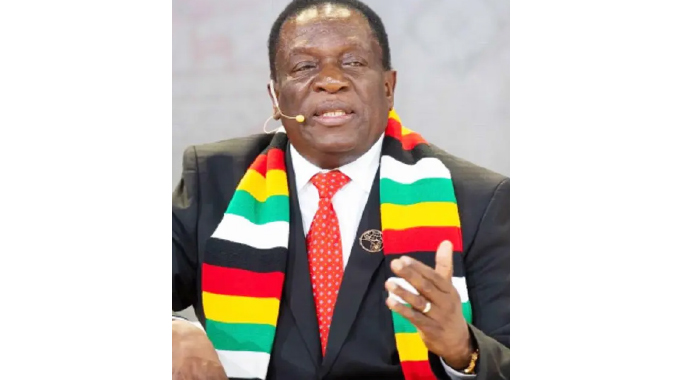
He is one of the 12 presidential candidates alongside incumbent President Mnangagwa who successfully filed their nomination papers and is not a stranger to the political terrain of the country and knows the voting trends but says he is going to capitalise on the weaknesses of his political opponents that he “knows all too well.”
But who is Mr Harry Peter Wilson to first time voters and to those who are not politically very conversant with the country’s politics.
Early life and heritage
Harry Peter Wilson is a 63-year-old citizen of Zimbabwe who entered the world with an undeniable connection to the world of politics, being born into a family of seven children with a rich political heritage. His lineage boasts of influential figures who left an indelible mark on the global stage.
He is a direct descendant of the esteemed Ndiweni family. Harry’s ancestry and source of influence included illustrious names such as former British Prime Minister Harold Wilson, and two Zimbabwean icons, the late Joshua Nkomo and late Dumiso Dabengwa. These figures shaped the course of history and championed noble causes, and their stories and legacies surrounded Harry from an early age.
Influence and aspirations
Growing up, he said, he got immersed in the tales of his influential forebearers and was deeply influenced by their commitment to public service and their dedication to making the world a better place. He felt a profound sense of duty to carry forward their legacy and contribute to his country’s political landscape.
With each story passed down through generations, a fire was kindled within him and he aspired to follow in the footsteps of his ancestors. Their determination to effect positive change resonated with him, and he yearned to make a meaningful impact on the lives of his fellow Zimbabweans.
Founding the Democratic Official Party
Determined to turn his aspirations into actions, he embarked on a journey to create a platform that could drive transformative change in Zimbabwe. Despite his successful career as an engineer and entrepreneur, Mr Wilson realised that his true calling was in public service.
Having established businesses in various sectors, including engineering, hardware, groceries, vegetables, and a travel lodge, he became a philanthropist committed to helping and feeding people and providing employment opportunities. His desire to do even more for his community and the nation inspired him to take the plunge into politics.
In due course, he founded the Democratic Official Party (DOP) with a vision to champion democratic values, promote equality, and uplift the lives of all Zimbabweans. The party became a symbol of hope and progress, attracting like-minded individuals who are eager for a better future and has grown in leaps and bounds and now has representation not only in Bulawayo but in places as far as Midlands, Chiredzi, Chinhoyi as well as Harare.
Presidential candidacy 2018
In 2018, his dedication, vision, and passion led him to step into the spotlight as the presidential candidate for the DOP which had been lurking in the political background while being nurtured since 2012. His genuine commitment to serving the people struck a chord with citizens from all walks of life, garnering substantial support and admiration.
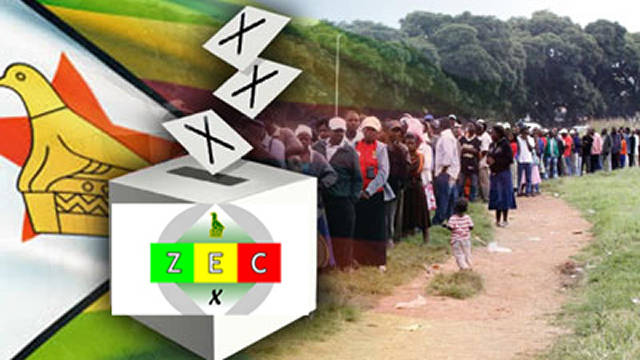
During the 2018 election, Mr Wilson says his campaign resonated with the masses, and he received a significant number of votes. The trust and belief that people placed in his leadership were a testament to his ability to connect with the electorate and address the pressing issues faced by the nation.
Joining Polad
After the 2018 elections formed the Political Actors Dialogue (Polad) and invited willing actors to join and Mr Wilson was one who didn’t hesitate to jump in. He said his decision was influenced by the recognition of the importance of engaging with diverse voices and fostering inclusivity in the political landscape. While the group faced controversy and criticism from retrogressive forces, Mr Wilson saw it as an opportunity to bridge gaps and work collaboratively for the betterment of Zimbabwe.
His decision to embrace cooperation and dialogue demonstrated his unwavering commitment to creating positive change, even in the face of challenges.
Nominated Presidential Candidate 2023
Unfazed by the obstacles encountered along the way, Mr Wilson stood tall once again this year. His party nominated him as the presidential candidate for the upcoming elections. His charisma, experience, and proven track record made him the embodiment of hope for those yearning for a brighter future.
The road ahead
As the 2023 elections loom, Mr Wilson remains steadfast in his dedication to his party, his country, and the principles that guide his political journey. He carries the weight of his ancestors’ legacies and their profound impact on the world, understanding the responsibility that comes with such heritage.
Mr Wilson’s story embodies the resilience and strength of a leader who is determined to shape the course of history for the better.
“As Zimbabwe prepares to make its choice, the nation watches eagerly to see the next chapter unfold in the saga of this remarkable political legacy. With hope and anticipation, the people of Zimbabwe should look to me as a beacon of progress and change, believing that under my leadership, the nation can stride confidently towards a brighter future,” he told Sunday News in an interview on Friday.
He said he was going to work towards reviving the Zimbabwean economy.
“Zimbabwe has faced numerous economic challenges over the years, leading to a decline in the livelihoods of its people. To bring about a positive transformation, it is crucial to adopt strong policies and implement effective strategies in key sectors of the economy such as mining and agriculture. We are also going to ensure that devolution is maintained, more dams are built and give people equal opportunities.
“We want to ensure a fair approach to Gukurahundi, re-visit the Constitution, and provide grants and welfare funds to the elderly and the vulnerable in a holistic manner.”
Mining
Mr Wilson said Zimbabwe was endowed with rich mineral resources. To capitalise on this potential, he says it is essential to attract serious investors in the sector with expertise and modern equipment.
“Revamping the mining sector can create thousands of jobs and stimulate related industries like manufacturing and processing. This will lead to increased exports and foreign exchange earnings, contributing significantly to economic growth,” he said.
Agriculture
Mr Wilson said although the Government was doing well in improving the agriculture sector, his dream was to ensure the country gets back the breadbasket of Southern Africa status in quick motion with more support given to resettled farmers as well as modern farming equipment, loans as well as easy access to markets. He said value addition was going to be pursued with renewed vigour.
“Under my leadership, unused land will be allocated to capable farmers to increase agricultural production as investing in agriculture will not only boost food security but also create employment opportunities across the value chain,” he said.

Devolution
He believes continued implementation of devolution will distribute power and resources across different regions, promoting equitable development and reducing corruption.
To him, decentralisation allows local governments to manage their resources and revenues, fostering economic growth at the grassroots level. By promoting fair distribution of resources and opportunities, devolution can lead to improved living standards for all citizens.
Dams
Part of Mr Wilson’s vision is to ensure more dams are constructed for water conservation and utilisation in agriculture, industry, and for domestic use. Adequate water supply, he said, was essential for economic activities, especially in arid regions. Building dams would therefore enhance irrigation, power generation, and water availability, thus facilitating economic development and livelihood improvement.
Equal opportunities
Mr Wilson says to ensure inclusivity and social cohesion, equal opportunities should be promoted across various sectors. Education, healthcare, and job opportunities should be fairly distributed, with recognition of diverse local languages and cultures. Providing equitable access to essential services and opportunities will contribute to a more cohesive society and spur economic progress.
New approach to Gukurahundi
Admittedly, he said although the Second Republic had moved milestones in addressing the grievances of the Gukurahundi victims and their families, which was crucial for national healing and reconciliation, a fair approach, such as providing reparations and acknowledging past wrongs, would help unite the nation and foster a sense of justice and understanding.
Re-visiting the Constitution
He says the Zimbabwean Constitution needs to be reviewed to ensure that it upholds the rule of law and protects the rights of all citizens. The independence of different branches of the Government, including the judiciary and security forces, should be upheld to promote accountability. A strong and transparent legal framework is essential for creating a conducive environment for economic growth.
Grants and welfare
He said his Government was going to provide financial support to vulnerable groups, such as the elderly, disabled, and girl child necessary to uplift their living standards.
“Monthly grants can help meet their basic needs and improve their overall quality of life. Additionally, welfare programmes will be implemented to provide support and opportunities for those in need, enabling them to contribute to society’s growth.”
Mr Wilson said reviving the Zimbabwean economy and improving the livelihoods of its people required a comprehensive and multifaceted approach, adding that by focusing on mining, agriculture, devolution, dams, equal opportunities, a fair approach to historical injustices, re-visiting the Constitution, and providing grants and welfare, Zimbabwe can create a conducive environment for economic growth and social development while strong policies and effective implementation would be the key to success in achieving sustainable and inclusive prosperity for all Zimbabweans.


 Online Reporter