Online Reporter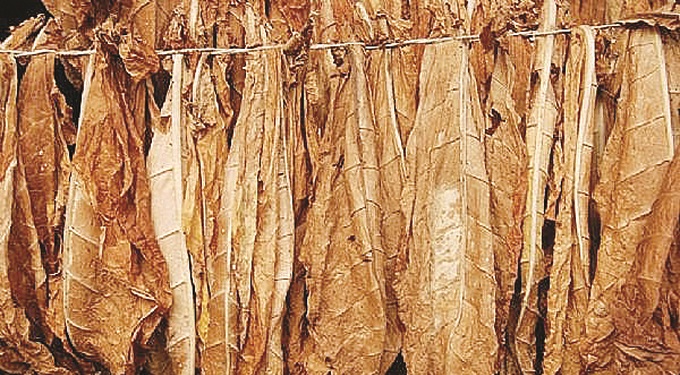
Obert Chifamba
Agri-Insight
IN contemporary times, Zimbabweans have witnessed the actualisation of the Second Republic’s ethos of ‘leaving no one and no place behind’ with various sectors of the economy experiencing major transformative changes that re-shaped their traditional business practices, fostering inclusive growth.
This motto by Government has easily become the embodiment of its commitment to inclusive development, ensuring that formerly marginalised communities are integrated into the mainstream national economic growth. The tobacco industry, for instance, has joined the growing list of sectors that have been significantly impacted by this new wave of positivism to see regions that traditionally used to be excluded from the production processes of the golden leaf now getting involved and enjoying their fair share of the cake.
Historically, tobacco cultivation was concentrated in the Mashonaland provinces and parts of Manicaland but recent initiatives have encouraged farmers from previously non-tobacco growing areas, such as parts of Matabeleland and Manicaland, to start producing the crop. This diversification not only spreads economic benefits, but also enhances food security as farmers rotate crops and take care of their soil’s nutritional requirements in the process.
Today, tobacco production has expanded to previously untapped areas like Matabeleland South’s Mangwe District with the development being driven by initiatives like contract farming with local agribusiness firms, essentially decentralising the production of the crop to empower rural communities. This development is a milestone in the decentralisation of tobacco farming and aligns with national goals for inclusive and sustainable economic growth.
It is exciting to note that the Tobacco Industry and Marketing Board (TIMB) has since reported that 122 farmers in Marula, Mangwe District, are now in their second successful season of tobacco farming. This past season, the 122 farmers produced natural cured Virginia tobacco on 84 hectares of land and were contracted by a company called Atlas Agri.
When the Government undertook to implement and encourage agro-ecological zoning a few seasons ago, the first impression was that the idea was to help salvage yields for food crops and boost food security in the process, but on further scrutiny, the process is also working for crops like tobacco. Farmers in different regions also have to choose tobacco varieties with discretion so that they optimise yields and earnings.
Farmers in Burma Valley, Manicaland are known for producing burley tobacco, a type used for cigar wrappers. Some are also growing flue-cured and oriental tobacco with a number now exploring cigar wrapper tobacco after recognising its potential on international markets. All this is happening because there are local markets to absorb the products en route to international destinations where they will fetch foreign currency for the country.
Tobacco is Zimbabwe’s second-largest foreign currency earner, generating US$1,3 billion in exports last year and is primarily produced by small-scale farmers most of whom benefited from the land reform programme. The crop has significantly transformed the economies of many rural communities. This current expansion beyond traditional growing regions, mainly Manicaland and Mashonaland provinces naturally aligns with national development goals for inclusive economic growth.
This has also come with the establishment of tobacco sales floors outside Harare where all tobacco selling used to happen in the not-too-distant past. The regional presence of tobacco sales floors has helped drastically reduce the distance farmers used to travel to sell their crop in a development that has lowered costs while increasing access to markets.
The expansion of natural cured Virginia tobacco farming in Marula will inevitably empower rural communities and support sustainability goals, as this type of tobacco is dried using just the sun and does not need firewood or coal, which reduces both production costs and environmental impact. This tobacco brand has come in as a cost-effective and climate-smart alternative. The good thing is that the tobacco produced still shares the same chemical composition and smoking characteristics as flue-cured tobacco, offering buyers a viable, high-quality product.
Production of natural cured Virginia tobacco started as a pilot programme during the 2023/24 season, with just 17 growers on 10 hectares. They produced 9 000 kg of tobacco during their debut season that was unfortunately characterised by very difficult conditions caused by the El Nino drought that affected the season.
The expansion in both hectarage and yields for natural cured Virginia tobacco in Matabeleland South is a sign that the province wields a lot of potential to become a force to reckon with in Zimbabwe’s tobacco industry. On the one hand, the decentralised and sustainable approach being used will become a significant cornerstone of the Tobacco Value Chain Transformation Plan, which aims to produce 300 million kilogrammes of tobacco annually starting this year. It will also ensure increased agricultural productivity and make tobacco farming more viable for rural communities in Mangwe district.
The expansion of tobacco farming is also playing a very critical part in the creation of jobs, not only in production but also in processing and marketing. This is particularly impactful in rural areas where employment opportunities are limited. This will also help reverse the rural-urban migration problem and see people moving from urban areas to seek employment in rural settings.
It is also no rocket science that farmers in these newly discovered tobacco producing areas are recording increased household incomes, allowing for improved living standards. This includes better access to education and healthcare, contributing to community development. Traditionally, the farmers used to produce certain crops for cash and tobacco is now adding on to those earnings.
The new reality that farmers who are taking up tobacco growing are setting themselves up for increased earnings also makes it imperative for them to be educated on financial management and crop diversification to mitigate risks associated with market changes. There is this general tendency for farmers to get overly excited once they lay their hands on huge sums of cash and spend it recklessly on unnecessary things.
It is important to ensure that efforts to address sustainability challenges are continued to ensure that the inclusive growth born out of the ‘leaving no one and no place behind’ ethos are maintained.