dyton mupawaenda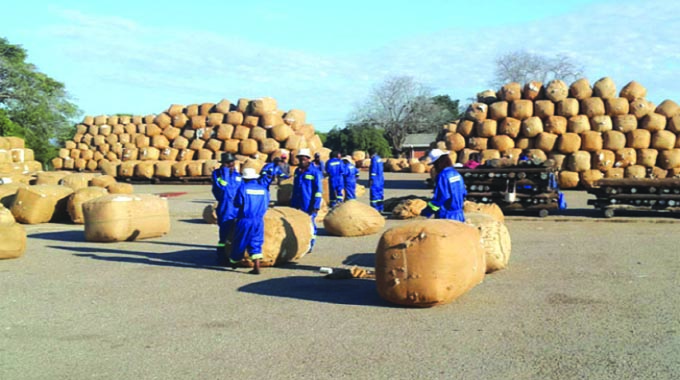
Business Reporter
PRIVATE merchants are paying cotton farmers exclusively in US dollar cash, a move celebrated by most growers in the Lowveld region, one of Zimbabwe’s key cotton growing areas.
The US dollar cash payments eliminate the inconvenience associated with mobile money transactions in these often remote areas under-served by both network operators and money transfer agencies.
Although regulations stipulate that farmers receive at least 75 percent of their produce payment in foreign currency, with the remaining balance paid in local currency at the prevailing exchange rate, challenges arise due to the cash-based nature of transactions in remote areas.
Traveling to nearby local townships or business centres where mobile money is accepted is often prohibitively expensive. And if transport costs are to be factored in, it can sometimes completely wipe out earnings the farmers might have made.
The situation has been a source of frustration for cotton farmers for some time. “We have been waiting for this change for years,” said Nestai Chingoda, a farmer in Checheche.
“Having the option to receive US dollars directly eliminates the hassle and expense of mobile money transactions, especially in areas with limited service,” she added.
Ms Poshia Sithole, another cotton farmer, echoed Ms Chingoda’s sentiment, saying: “This is a game-changer for us. Now we can focus on what matters most – growing a good crop – without worrying about the challenges of getting paid.”
The shift to US dollar payments is a welcome sign for Zimbabwe’s cotton industry, potentially incentivizing farmers to increase production and contribute to the country’s economic growth.
This year, the cotton price has been set at a minimum of US$0,32 per kilogramme, offering some stability for farmers, as opposed to last season when growers received part payment in local currency. However, El Niño’s impact on rainfall has significantly impacted production.
Official statistics estimate an expected yield of around 42 000 tonnes, a steep decline from the previous season’s 90 000 tonnes. Despite these estimates, stakeholders within the industry believe the actual output could be even lower.
The farmers also praised the faster turnaround time for receiving payment. Private companies are now processing payments quickly upon delivery of the crop, following verifications by all stakeholders, including the Agricultural Marketing Authority AMC to ensure the farmer is delivering the commodity to a legitimate contractor.
“It is a huge improvement,” said a farmer who only identified herself as Ms Dhliwayo.
“We are practically getting cash instantly. In the past, it could take weeks or even months to get paid. Now, even if they (the merchant) run out of cash on the day, they sort us out by the next day at the latest. This makes us feel motivated” (to grow the crop.)
Furthermore, farmers in Chiredzi’s Crown Range areas, particularly affected by the El Niño drought with lower crop yields, have expressed relief. “The US dollar payments are a cushion for us,” said Joseph Madziva, a farmer from the area. “Even with a lower output, we now have some income to buy food and essentials for our families.”
The merchants are also covering the transportation costs that farmers previously had to bear to deliver their cotton to common buying points.
The positive impact ripples throughout the entire ecosystem. The increased economic activity benefits local businesses such as shop owners who see a rise in demand.
Transporters also experience a boost merchants require transportation for their crops and purchases. This creates a cycle of growth that can revitalise the entire rural economy.
“We are already feeling the impact as business activity is steadily increasing,” said a shop owner at Matezwa business centre in Checheche. “It would have been much better in a normal season, but because of the drought, the season might be shorter.”
The shift to faster payments, along with the convenience of US dollars, is a major boost for cotton farmers in the region. It empowers them to focus on their production and potentially increase their output, contributing to the overall growth of the cotton industry.
While the shift to US dollar payments has been a welcome change for many, those contracted with Cottco, have reported late payments for this season’s crop, as well as outstanding payments from last season.
This week, Cottco said it had paid US$1,5 million and ZiG 2 million for cotton deliveries this year. Outstanding payments for last season are at about US$2,5 million and ZiG 38 million.
This season alone, Cottco owes farmers US$2,6 million and nearly ZiG42 million.
Cottco is the largest financier of cotton production in the country through the Presidential Inputs Scheme. This scheme provides farmers with essential supplies like fertilisers, seeds, and chemicals, at no upfront cost. While this may seem beneficial on the surface, concerns are emerging about the fairness of the playing field.
Private companies operating in the cotton industry must shoulder the entire financial burden of purchasing these inputs, as well as the costs associated with buying the cotton crop. This creates a significant disadvantage compared to Cottco, which benefits from Government subsidies. Stakeholders argue that this disparity could stifle competition and hinder the overall growth of the cotton industry.



 Online Reporter