admin
adminKudzanai Gerede
Grain millers have called on the Government to put measures that will protect processors of primary agricultural products in its drought relief strategies with external partners who tend to bring cheap processed food stuffs, a case that undermines the local processing industry.
The drought induced food shortages which have started to bite in most of the country’s dry areas particularly in the rural areas has seen government imploring on both local and external partners to raise at least US$ 1,5 billion aimed at procuring food for the country’s estimated 3 million people facing food shortages.
Last week, President Robert Mugabe declared the 2015/16 agricultural season a state of disaster as most of the country’s crop has already succumbed to moisture stress following a prolonged dry spell in the first half of the agricultural season.
Provinces like Masvingo, Matebeleland, parts of both Midlands and Manicaland have crops that have
already been declared a write off and food assistance is now critical.
With neighbouring Zambia which normally exports its surplus grain to Zimbabwe having imposed an export ban as they have suffered the same fate of drought due to the El Nino phenomenon which engulfed the entire Sub Saharan region, the country will have to rely on international relief aid which comes cheap and processed.
International food aid has in the past seen an influx of cheap processed food stuffs like cooking oil, maize meal and sorghum meal among others with much of it resulting on the black market which has a negative bearing on local products.
Grain Millers Association of Zimbabwe Chairman Mr Tafadzwa Musarara in an interview with Manica Post Business said the local processors of primary agricultural products were crucial in providing processed food to the
local market as a way of creating downstream industries providing employment and a revenue base for government as enshrined in ZIMASSET.
“The local industry has an obligation to provide for the market. International relief aid must come in and cure the hunger issue and not disturb the local manufacturing industries by importing cheap processed foods which will end up in the black market undercutting local products,”
“We have put a massive grain importation plan that includes a logistics strategy to ensure quick movements of adequate grain into the country so that all grain processed and related products are available in adequate measure,” said Musarara.
The call by the millers comes at a time when the government is seeking ways to resuscitate the local manufacturing industry which has remained subdued in the wake of stiff competition from import products which are very cheap.
Analysts have however welcomed the declining maize and wheat prices on the international market due to huge supply coming from the Latin American region and a strengthening US dollar currency against other currencies as favourable to the country in responding to the drought.
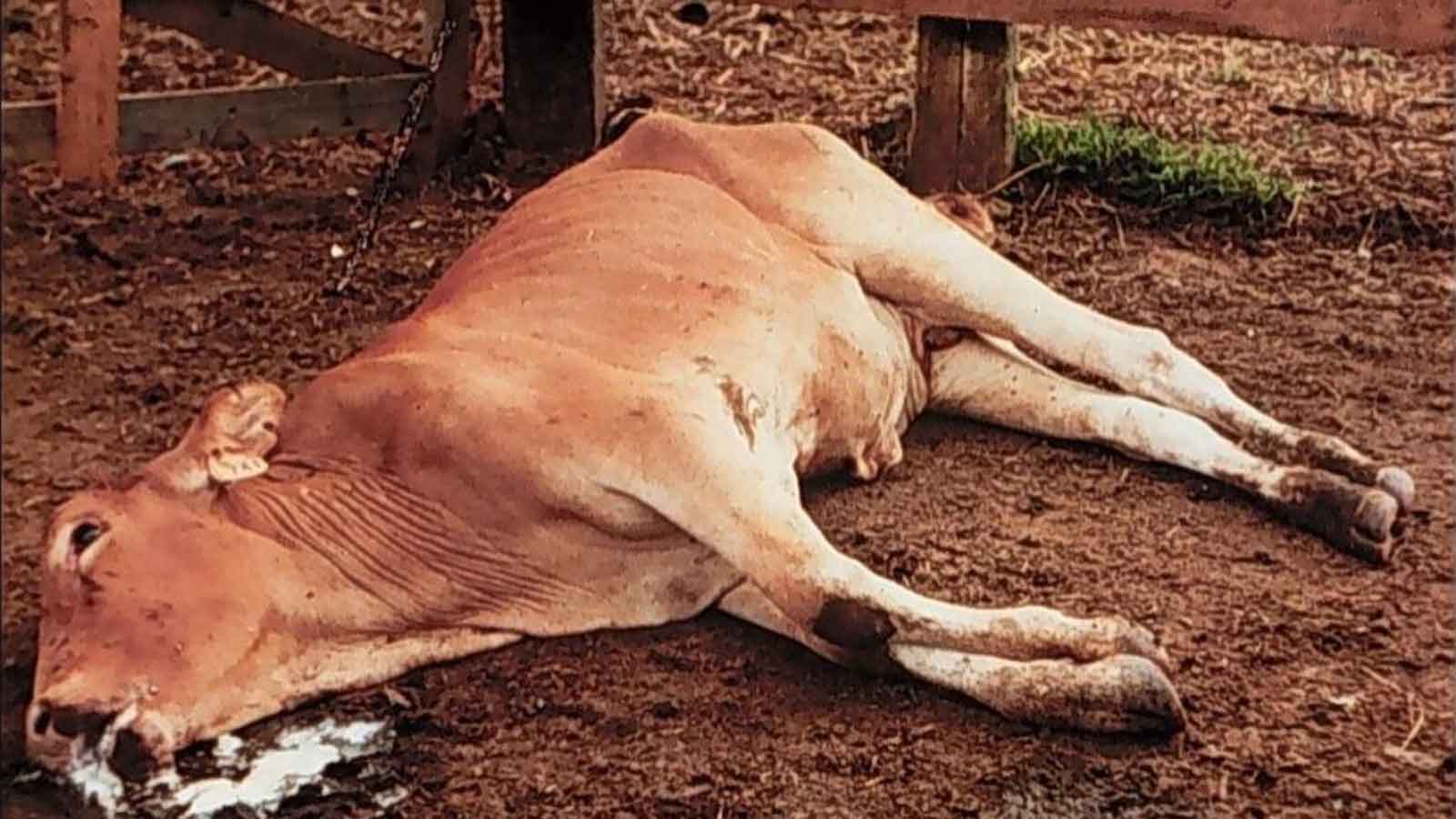
With the country’s national cattle herd already crumbling following recent massive cattle casualties due to shortages of water and good grazing pastures in areas like Buhera and Chipinge government has had to intervene by partnering with Food and Agriculture Organisation (FAO) to mitigate the situation by providing imported affordable stock feed.
“It’s a matter of prioritisation of matters here, we have at one hand a distressed economy in dire need of growth and employment creation through facilitation of production in areas of manufacturing of stock feed to feed the diminishing national cattle herd and on the other hand a rural population with little or no money to buy stock feed and then relying on either cheap or in some instances free imported processed stock feed to avert more deaths of cattle, it’s a tight fix to choose,” says Mr Mutsvairo a communal cattle breeder.


 Online Reporter