Online Reporter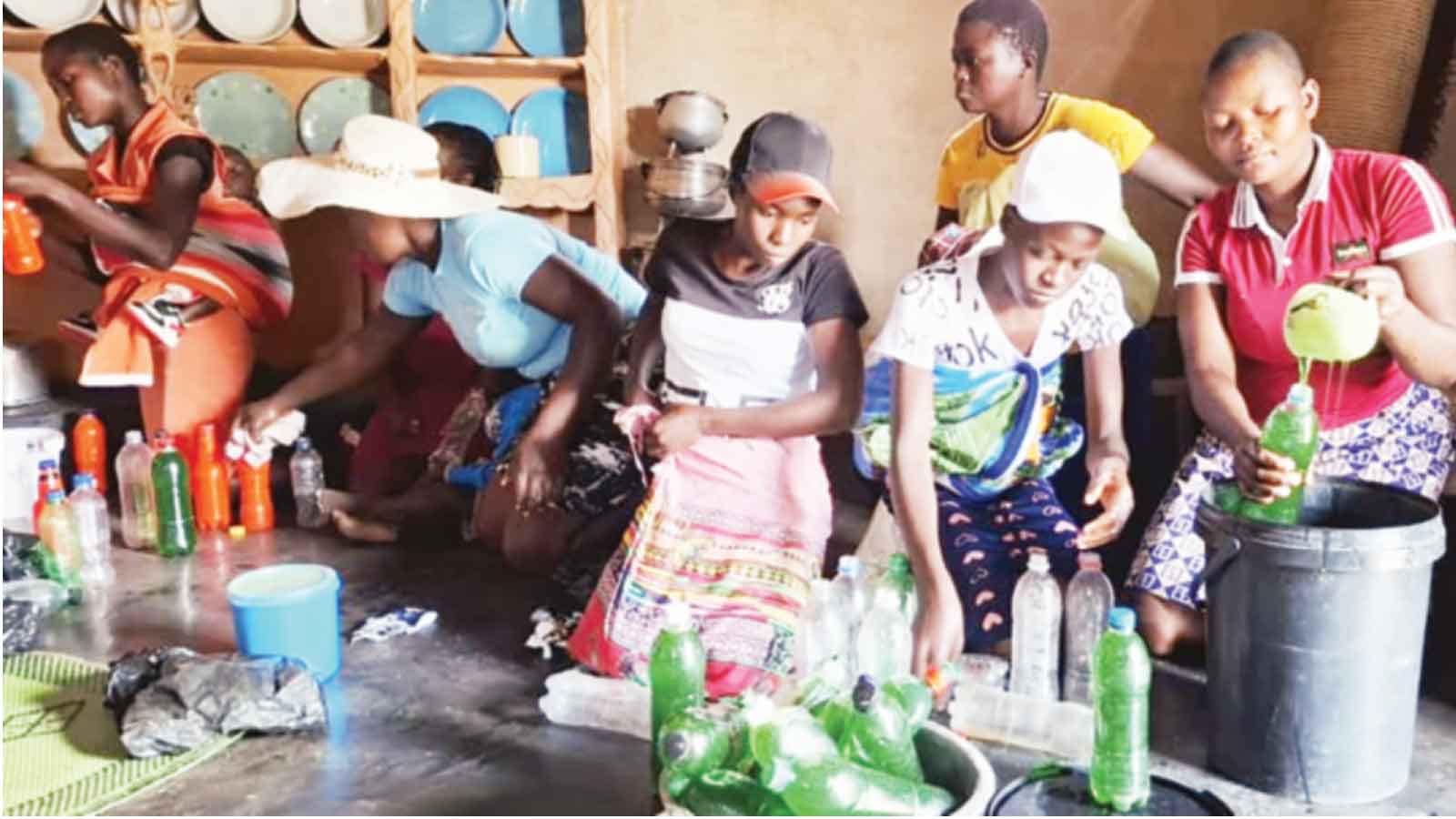
Walter Nyamukondiwa in HURUNGWE
Often, the air in Magunje is thick with the scent of curing tobacco and the distant rumble of haulage trucks ferrying the golden leaf to auction floors.
But for 16-year-old Tarisai*, the scent of prosperity that drifts through this bustling farming district once masked a far more bitter reality—the taste of cheap alcohol, the weight of poor choices and the silence of a boyfriend who boarded a bus to South Africa the moment she told him she was pregnant.
It was a school function that changed everything. A few drinks, a wave of peer pressure and one unprotected encounter later, Tarisai found herself on the wrong side of the district’s staggering statistics.
She was forced to trade her school uniform for the relentless demands of motherhood, with little more than a threadbare support system to hold her up.
“When I fell pregnant, things became so difficult that I was left with no choice, but trying to find another man to help me, or just soldiering on,” she recalls, her voice steady but shadowed by the memory. “It wasn’t easy. Some men would say there was nothing to protect since I already had a child.”
Tarisai’s story is not an anomaly in Hurungwe—Mashonaland West’s most populous district, home to nearly 400 000 souls stretching along the shimmering banks of the Zambezi River.
Here, the very engines of economic growth—tobacco farming and artisanal mining—have minted a class of men with bulging wallets and loose morals, creating a perilous playground where adolescent girls are often the ones left holding the bill.
While agriculture remains the backbone of the district, officials from the National Aids Council (NAC) paint a sobering picture of the flip side of this cash influx. Tobacco marketing seasons, in particular, act as a magnet for sex workers and transient labourers, fuelling a hyper-sexualised environment that traps the vulnerable.
Early marriages
Admire Takawira, the Hurungwe District AIDS Coordinator, puts it bluntly: “We see most of the challenges related to early marriages, teenage pregnancies, and drug and substance abuse being driven by relatively higher incomes among farmers, miners, and other workers who prey on young girls.”
He notes that the adolescents often lack the agency to negotiate safer sex, making them easy targets for exploitation.
The numbers are harrowing. District records reveal that nearly 30 percent of adolescents here are married before their 18th birthday. In the span of just 12 months, an estimated 62 primary school girls and a staggering 215 secondary school students were forced to drop out, their academic futures traded for the cradle or the altar.
For the young men left in the wake of the mining boom, the story is equally grim. Wellington Kakusa, a concerned parent in Mhangura, watches with despair as his community’s youth descend into a vortex of substance abuse.
“Our youths have become a thorn,” he laments. “They are indulging in drugs and abusing alcohol, resulting in risky behaviour, including casual sex with commercial sex workers who have been attracted by the money.”
Some, he adds, have resorted to stealing household property to fund their vices, while others fritter away their artisanal mining earnings on fleeting pleasures.
Change is taking root
Yet, amidst this grim landscape, change is taking root. Inside a modest community hall in Magunje, the hum of ambition drowns out the cacophony of the outside world. Here, a group of 50 pregnant teenagers and young mothers are busy bottling liquid soap and weaving vibrant door mats from recycled materials.
This is the Sister2Sister model—a mentorship lifeline implemented by the NAC with backing from the Organisation of African First Ladies for Development.
The programme targets girls aged 10 to 19, pulling them from the precipice of despair and equipping them with the armour of sexual and reproductive health education, life skills and economic independence. It is designed to slash teenage pregnancies and new HIV infections among adolescent girls and young women aged 15 to 24.
For Tarisai, joining Sister2Sister was the turning point. The programme didn’t just give her a skill—it gave her a mirror in which to see a future worth fighting for.
“I now know how to make decisions that protect my future and my child’s future,” she says, a defiant glint in her eye.
She is no longer a passive victim of circumstance; she is a soap manufacturer, a mother, and a mentor in the making.
Recognising that girls cannot be saved in isolation, the NAC has rolled out the Behaviour Change Community Motivators (BCCM) programme, targeting the district’s men and boys through sports, educational sessions and frank dialogue. The goal is to dismantle the toxic masculinity that equates wealth with the right to exploit.
Simultaneously, traditional leaders have thrown their weight behind the Not In My Village campaign, a grassroots movement determined to drag child marriage out of the shadows and into the harsh light of justice. Chief Dendera, a staunch ally of the initiative, expresses cautious optimism.
“We are happy with how interventions related to reducing and stopping cases of child marriages and teenage pregnancies are delivering results,” he states.
Bottleneck
However, the chief does not mince words about the hurdles that remain. He points a finger at a deeply frustrating bottleneck: weak legal follow-through.
“Some cases reported to authorities are not being pursued to their logical conclusion,” he says, his tone shifting to one of disapproval.
Worse still, he reveals that some parents, desperate for financial relief, are accepting settlements from perpetrators—effectively selling their daughters’ futures for a quick payout.
Despite these systemic cracks, the momentum for change is undeniable. The NAC, traditional leaders and the beneficiaries themselves are stitching together a safety net that is slowly starting to hold.
As Tarisai packs another batch of her handcrafted soap, she looks past the tobacco dust and the mining claims that have stolen so many of her peers. For her and the dozens of other young mothers enrolled in the programme, the stakes are profoundly personal. This initiative is not merely a lecture on contraception or a workshop on budgeting. It is a declaration of war against a status quo that treats young girls as disposable.
It is about reclaiming futures that once appeared irretrievably lost—one recycled door mat, one bottle of liquid soap, and one empowered decision at a time.
*Some names have been changed to protect the identities of minors.



 Bongani Ndlovu