Maria Chiguvari-Zimpapers Arts and Entertainment Hub
AFTER years of operating under what they described as exorbitant licence charges, event promoters have welcomed plans by the Government through National Arts Council of Zimbabwe to slash its fee structure, saying the move signals meaningful relief for the struggling live entertainment sector.
Promoters say the proposed reduction comes at a critical time for an industry weighed down by rising operational costs, and while the changes will not happen instantly, the process now underway is viewed as a positive and necessary development.
The National Arts Council of Zimbabwe is in the process of revising its licence fees following engagements with promoters, many of whom have raised concerns over the sustainability of staging live events under the current framework.
At present, promoters are required to pay US$1 850 to register with NACZ, followed by an annual renewal fee of US$1 750.
In addition, promoters remit 15 percent of an artist’s fee to NACZ, with a minimum charge of US$1 000 per show.
Other statutory charges include US$250 payable to the Zimbabwe Censorship Board and US$500 to the Department of Immigration for the clearance of international performers.
According to industry players, these combined costs have significantly affected the viability of hosting shows, particularly for local promoters with limited capital.
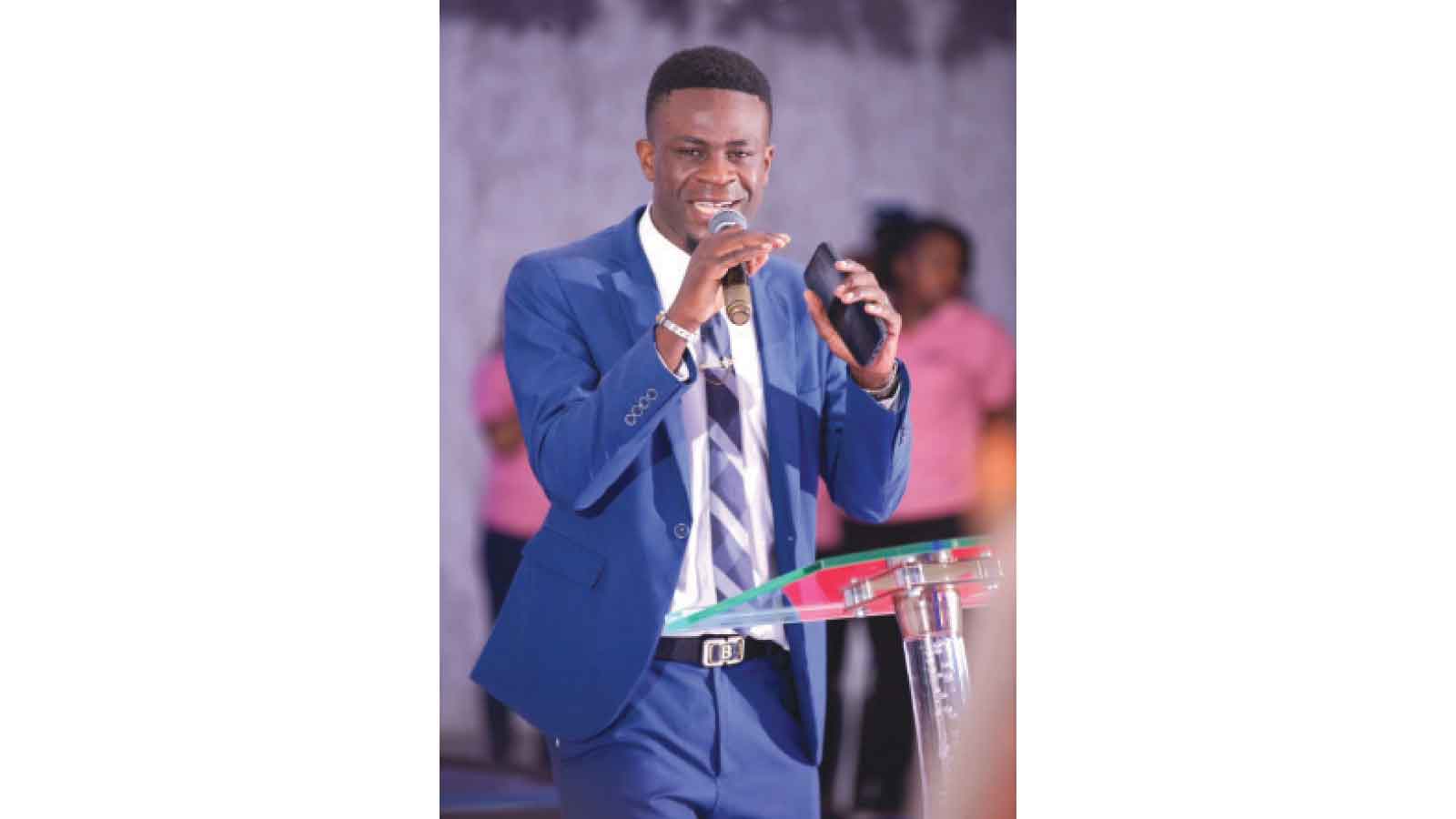
Speaking to Zimpapers Arts and Entertainment Hub, NACZ spokesperson and marketing manager Agga Nyabinde confirmed that the council had acknowledged the concerns and was now working towards revising the fees to make them more industry-friendly.
“Apparently, the rates have been in existence, and we had a meeting with promoters, and we’re expecting the fees to be revised. These fees are statutory because it is not NACZ that sets them; they are approved at Cabinet level, and they have been like this for years. We are also expecting these fees to be reduced,” Nyabinde said.
He emphasised that the review is a process that involves statutory procedures, as the fees are governed by Cabinet-approved regulations.
Promoters say they understand that changes will take time, but believe the decision to slash fees will eventually unlock growth across the live entertainment value chain.
“These fees have been exorbitant for a long time, and they have crippled the industry,” said a local promoter who preferred to remain anonymous.
“The fact that NACZ is now revising the fees is a welcome move. We know it’s a process and that it won’t change overnight, but it gives us hope that things will improve,” the promoter added.
Industry players argue that high licencing and clearance costs have been one of the main drivers of expensive show tickets, placing live entertainment beyond the reach of many consumers.
“The amount of money we pay to various authorities is simply too much. This is why show tickets are expensive. Promoters are forced to pass on the costs to consumers to recover flights, hotel bookings, artist fees, and Government charges,” the promoter said.
They add that the high costs have also limited the number of international acts performing in Zimbabwe and reduced opportunities for local artists, technical crews and service providers who depend on live events for livelihoods.
One promoter commented on anonymity, welcomed the slashing of licence fees, saying the move could mark a turning point for the live entertainment industry.
“This is a huge relief for us as promoters. Lower licence fees mean we can plan shows with more confidence and take creative risks without fear of running into losses,” said the promoter.
He added that the reduced costs would likely translate into more affordable ticket prices, increased show frequency and greater opportunities for local artists and technical crews.
“When the cost of compliance goes down, the entire value chain benefits. This decision has the potential to revive live music, attract more investors and restore vibrancy to the sector,” he said.
Meanwhile, some promoters were already questioning the value of registration and the council’s role in supporting artists and creative organisations.
“I find it interesting that the National Arts Council wants registration from churches, studios and artists. Out of curiosity, what do they offer the artists and organisations? For example, Tatenda Pinjisi was an artist, and Gary Mapanzure was an artist. Did the (National) Arts Council show up for them or their families in times of need? How does the NACZ model work?” said a social media user.
The sentiments highlight wider concerns within the creative community around the balance between regulation and support.
However, NACZ maintains that it operates within a statutory framework and that any adjustments to fees must follow due process.
As consultations continue, promoters and artists say they are optimistic that the review will result in a more balanced, transparent and sustainable fee structure that encourages investment, promotes creativity and allows the live entertainment sector to play a stronger role in Zimbabwe’s economic and cultural development.