admin
adminself-censorship. Critics viewed the cartoons as Islamophobic, racist and blasphemous. The protests that followed resulted in over 100 deaths worldwide.
Most of the cartoonists that drew the controversial drawings received death threats while some radical Muslim fundamentalists offered cash and gold rewards to anyone that killed any of the said artists.
Early last week, the French satirical magazine, Charlie Hebdo, published controversial cartoons depicting the Prophet Mohammed. The latest controversy comes as the Muslim community protests against the mocking of their prophet by an American-produced film called “Innocence of Muslims”. Muslim religion bestows the highest form of respect on Prophet Mohammed, who they see as the messenger of God. Depiction of the prophet in any form is not permitted. In Islamic movies, for example, not only is he not shown in human form, his voice is also not depicted. Showing the prophet in any form is considered a sign of disrespect and contempt towards the Muslim religion. So why does the Western media continue to produce art that obviously offends a large percentage of the world population?
The argument put forward is that of democracy and free speech. The media personalities behind the art forms say in a free world, everyone has the right to publicly put forward a view or an opinion on anything because, they argue, free speech is an important ingredient of a working democracy. But the latest cartoons and the previous Danish series do more than show an image of Prophet Mohammed, itself a belittling of a whole religious population that is particular about the distinction between imagery and worship.
In addition, the cartoons make a mockery of a prophet held in the highest of esteems. That, versus an angry, dangerous mob of Muslim fundamentalists is normally a cocktail of disaster. Victims of the resultant confrontations are always heavy on the innocent, civilian side.
The right to free speech is a basic human right, but when deliberate displays of offensive messages by the so-called champions of free Press go public, everyone knows the likely outcome. The publishers stay in witness protection programmes but as heroes gallantly fighting for a just cause. Meanwhile, the ordinary people become sitting ducks in areas where bloody demonstrations take place. If that indeed is what democracy is all about, then it is clearly unfair to the dozens that die as a result of the violence that follows publication of the cartoons. It is not an assumption but a fact that there are dangerous people roaming around with dangerous weapons out there and one small reason away from doing some serious damage.
Taunting dangerous people like that with the full understanding that innocent people may be at risk is neither in the spirit of democratic values nor an act of bravery. A reward offer of US$100 000 posted by the Pakistani railway minister for the killing of “Innocence of Muslims” filmmaker shows the anger against the mocking is not confined to Muslim radicals. It would appear that every follower of Islam is outraged in varying degrees by the total disrespect shown against the religion. American and French governments said they fully support freedom of expression as a human right, but regret the aggressive attacks on beliefs.
The western governments add fuel to the fire by either failing to condemn the insulting messages outright or by treating the aggrieved parties with very little respect.
Democracy without respect is nothing. If the western world really respected the Islam religion, a logical way of integrating with the religion would be to understand what it finds offensive and consequently be more sensitive to how Muslims feel. The situation is not helped at all by the west’s reaction to the violence. When the United States ambassador to Libya was killed during protests against the American film, “Innocence of Muslims”, his death was given more prominence than all those that had died as a direct result of the protests against the motion picture.
It sounded very much like the death of the ambassador was both regrettable and unacceptable, while all the other deaths in the Arab world due to the same reasons were somewhat expected. Images of the Prophet Mohammed are not important to anyone. To the Islamic community, they could do without them being made public. The rest of the public view them with varying degrees of tolerance. Images have the ability to capture the imagination of a reader and help create a vivid, alternative reality in the mind. This power is apparent to the creators of offensive messages and their actions are less about a demonstration in support for democracy, but an arrogant tactic by individuals spoiling for a fight. In bullfighting, the matadors intentionally agitate the beasts and skilfully avoid being harmed during the charging process, to the delight of the spectators seated a safe distance away.
In the case of the Prophet Mohammed depictions, it is as if the matadors attack the bull, a dangerous section of the Islam faith, then run and watch from a safe distance while the spectators are all exposed to the risk.
Making fun of things seen as sacred by many, including militant groups, cannot be an act of bravery or anything good. It is sending dozens of civilians to their deaths and exposing thousands more to unimaginable violence. Hopefully, they will understand this by the time they are awarded for “bravery”, and “human rights activism”.


Online Reporter
- Herald
- July 31, 2026
- 17 views
Norton Town Council renews integrity pledges
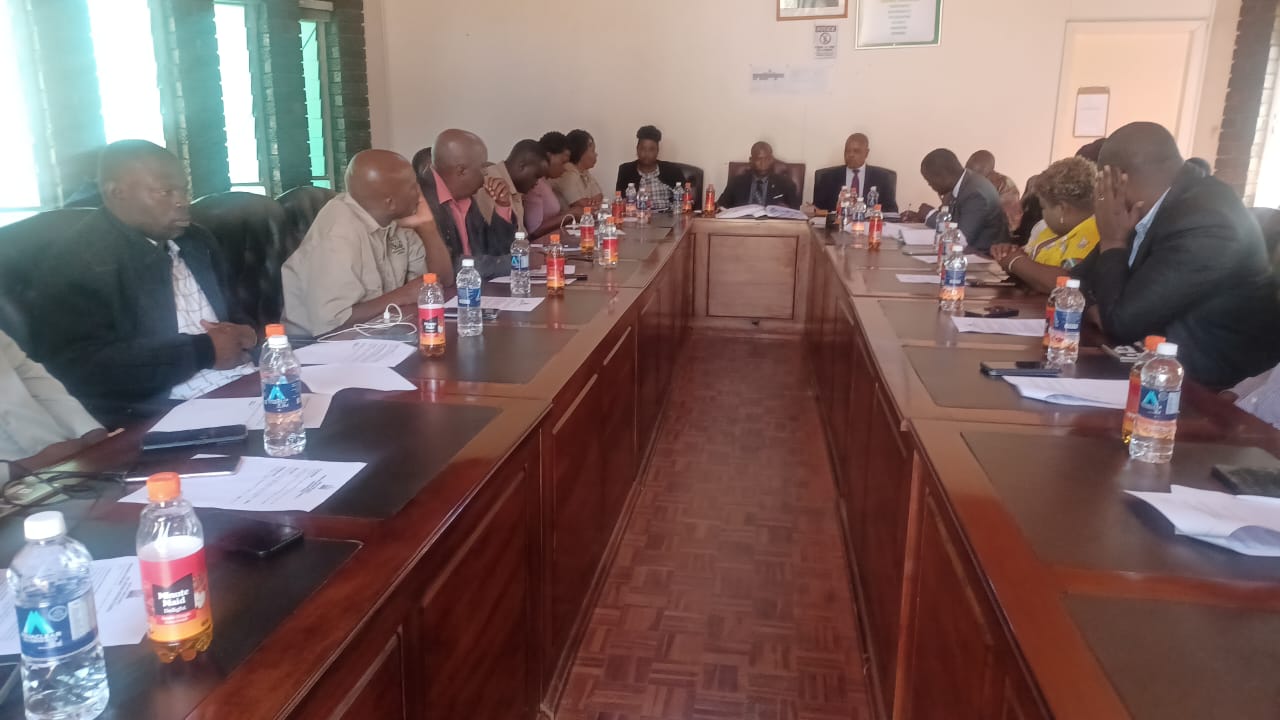
Diana Nherera Norton Town Council councillors and management on Thursday renewed their integrity pledges as part of the local authority’s commitment to promoting ethical conduct and combating corruption. Speaking…