Andrew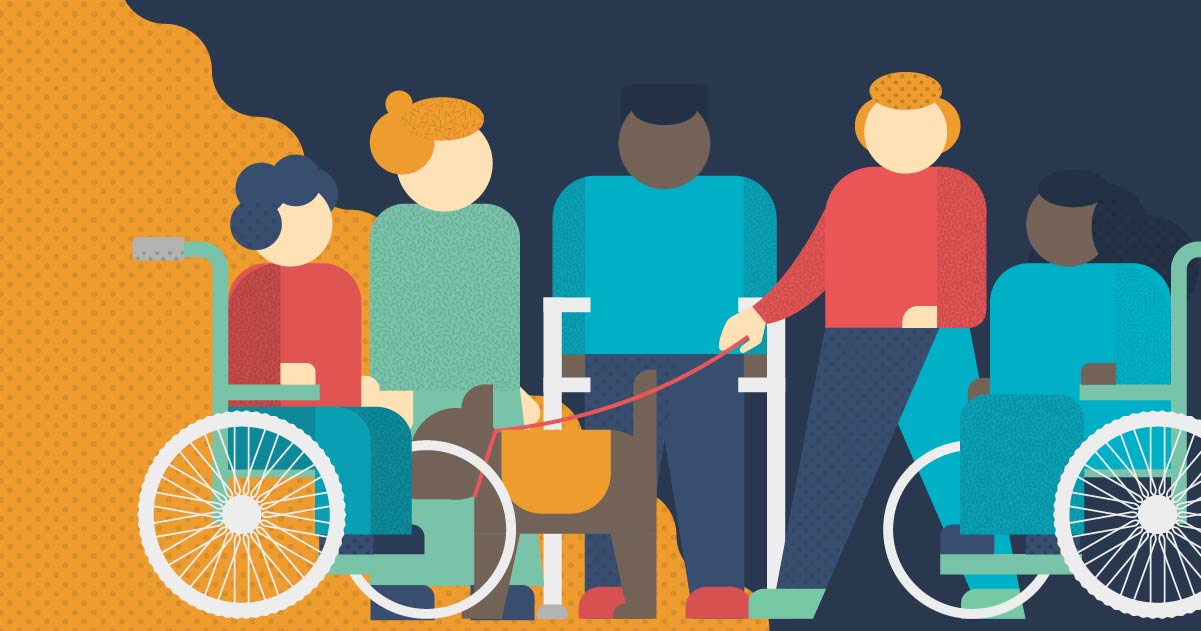
Disability Issues
Dr Christine Peta
THE African Youth Charter proclaims November 1 as the Africa Youth Day.
The charter provides a strategic framework aimed at consolidating an approach for the enforcement of meaningful youth involvement in Africa’s development agenda. Nonetheless, youth with disabilities form one of the poorest and most marginalised groups in the world.
Therefore, there is need to facilitate the voice of youth with disabilities so that they can illuminate areas of development that are most important to them, as well as ensure active and meaningful participation in the continent’s development agenda.
The precarious position of youth with disabilities in Africa is largely due to the fact that they face multiple inequalities in their day-to-day lives.
In many African countries, Zimbabwe included, disability is surrounded by countless traditional beliefs that lead to the isolation of young people with disabilities and their families. This gives rise to the inequalities.
Some people are born with disabilities and others acquire disabilities due to injury, accidents, nutritional deficiency and drug and substance abuse.
But from a traditional perspective, it is believed physical manifestations of impairment are not purely biological, but are symptoms of traditional problems that elusively operate in a person’s life. Disability is commonly associated with evil spirits, witchcraft and breaking of traditional taboos.
Resultantly, some parents hide their children with disabilities in homes to ensure their families are not subjected to scrutiny by community members. In such scenarios, the rights of young people with disabilities to education and healthcare are grossly violated.
Why focus on youth with disabilities?
Families generally do not prioritise the needs of youth with disabilities.
They are deprived of education; healthcare; social services; information and communications technology; recreation and leisure; music; and sport. Additional risk factors include marginalisation in the formal labour market.
Physical and communication barriers make it difficult for youth with disabilities to participate in most facets of life.
Those with chronic medical challenges are at times denied easier access to diverse prescription medication. There is also increased risk of physical and sexual abuse. In instances of rape, deaf youth cannot scream for help and blind youth cannot see the perpetrator.
To escape loneliness and isolation, many young people with disabilities in Africa seek comfort in alcohol, drug and substance abuse.
This problem needs to be addressed by policy makers, among other players.
Alcohol, drug and substance abuse can cause physical disabilities among young people. The habit can also result in brain injuries. Furthermore, addiction may worsen existing mental disabilities. Substance abuse causes significant neurochemical changes in the brain.
Limited education and lack of access to information in appropriate formats that include Sign Language for those who are deaf, and braille for those who are blind, on how to prevent drug and substance abuse, worsens the situation of young people with disabilities.
In addition, youth with disabilities are generally ill-equipped to handle peer pressure, temptations and issues relating to self-medication (depending on type of disability).
It is, therefore, not surprising that research has shown that, compared to their non-disabled counterparts, youth with disabilities are four times more likely to engage in alcohol, drug and substance abuse.
Way forward
In line with Agenda 2063, we need a more united and stronger Africa that has a long-term strategy, which pays serious attention to issues of disability and drug and substance abuse.
One of the key features of Agenda 2063 is the quest to empower women and youth to fulfil the African dream. One of the objectives of the October 24 to 28 African Union Commission Consultative Mission held in Zimbabwe was to evaluate the First Ten-Year Implementation Plan and formulate the Second Ten-Year Implementation Plan of Agenda 2063.
The mission presented an opportunity for Zimbabwe – through the Ministry of Public Service, Labour and Social Welfare – to call for more attention on disability and drug and substance abuse.
Continuous research on the prevalence, consequences and experiences of disability and drug and substance abuse among youth in Africa is also required.
There is need to bring the voice of young people with disabilities from the peripheries of society to the fore.
In line with the 2022 theme of Africa Youth Day, “Breaking the Barriers to Meaningful Youth Participation and Inclusion in Advocacy”, there is also need to raise awareness on the intersection of disability and drug and substance abuse.
Strategies should ensure active and meaningful participation of youth with disabilities, who may also be alcohol, drug and substance abuse survivors.
In applying our own home-grown solutions, if we implement the National Disability Policy of Zimbabwe well, many young people with disabilities in our country will have a good future.
This will reduce vulnerability to drug and substance abuse, and an increase in disabilities among the youth in Zimbabwe.
* Dr Christine Peta is a disability, policy, international development and research expert. She is the national director of Disability Affairs in Zimbabwe. She can be contacted on: [email protected]


 Online Reporter