Online Reporter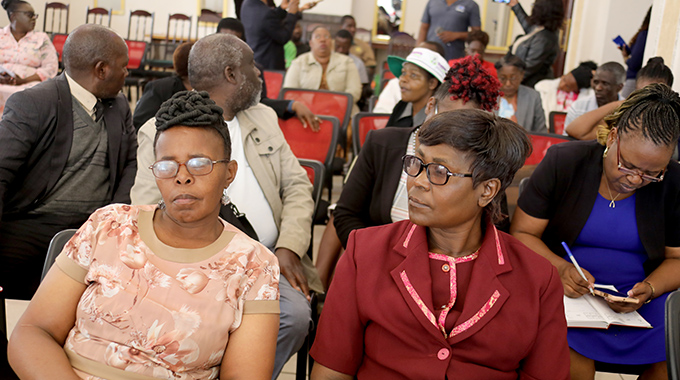
Sikhumbuzo Moyo, Senior Zimpapers Reporter
BULAWAYO residents have called for a mandatory 10-year jail sentence for Zimbabwe School Examinations Council (Zimsec) employees found guilty of leaking or facilitating the leakage of examination material.
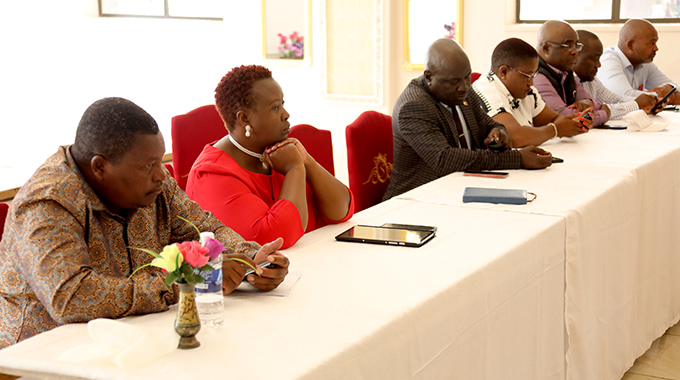
The proposal, unanimously supported by participants at a public hearing on the Zimsec Amendment Bill held by the Parliamentary Portfolio Committee on Primary and Secondary Education at a Bulawayo hotel yesterday, was made by Ms Sehlile Thebe.
She argued that schools, teachers and learners do not produce examination material, so any leak must originate from someone within Zimsec.
“A question paper cannot suddenly find its way into a teacher’s or learner’s phone. The source is Zimsec. I, therefore, propose a mandatory 10-year prison sentence for officials found complicit,” she said.
Ms Thebe’s view was backed by Ms Monalisa Dube, who said the epicentre of leakages is the source of the material.
“We are not condoning those who spread the papers, but closing the source is key. Thorough investigations must identify the source, which will likely lead to Zimsec offices. I support the 10-year sentence, if not more,” said Ms Dube.
The Parliamentary Committee, led by Zaka North legislator Cde Ofias Murambiwa, covers five provinces, which include Bulawayo, Matabeleland North, Matabeleland South, Mashonaland West and Mashonaland Central.
Cde Murambiwa explained that public hearings are mandated by Section 141 of the Constitution, which requires Parliament to involve the public when making laws.
He noted that the Zimsec Act, which was enacted in 1994, and the Ministry of Primary and Secondary Education, felt that changes in the education sector necessitate updates to the Act.
“The Zimsec Act was enacted in 1994 and the Ministry of Primary and Secondary Education felt a lot of changes have taken place in the Education sector since then, and as such, there is a need to align the Act with these changes,” said Cde Murambiwa.
Zimsec is responsible for setting, administering and marking national primary and secondary school examinations.
Over the years, the examination body has faced repeated challenges with the leakage of examination papers, which has undermined the credibility of national exams and affected student performance.
Past leaks have sparked public outrage, calls for stricter penalties, and demands for stronger internal controls within Zimsec. The proposed amendments to the Zimsec Act aim to address these issues by strengthening the council’s governance, accountability and operational standards.
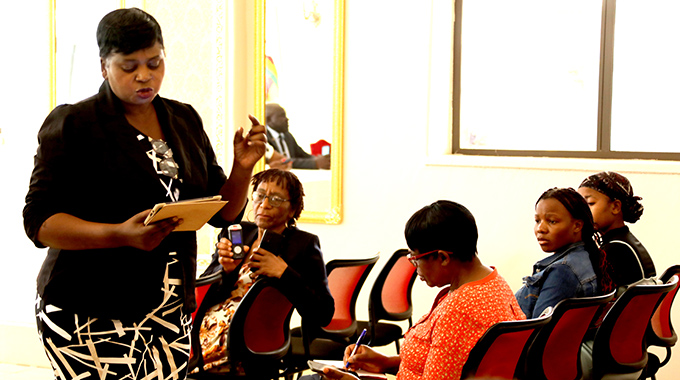
Committee member Ms Ellen Shiriyedenga, told delegates that the Zimsec Amendment Bill contains nine proposals, which are being discussed during the hearings. Participants included representatives from the education sector, students and members of the public.
One key proposal, Clause Two, seeks to amend definitions in the principal Act, including replacing “Director” with
“Chief Executive Officer” and updating the definition of “board.”
Ms Shiriyedenga said this aims to empower the office, and the proposal was unanimously supported. Participant Mr Ignatius Mutambayashata, suggested that the Zimsec chief executive officer should have the same status as a university vice-chancellor.
Another debated issue is the proposal to give Zimsec the power to deregister examination centres that fail to meet standards.
“The proposal gives Zimsec too much arbitrary powers that will see examination centres being at the mercy of deregistration. I think the clause must include a platform for appeal,” said Mr Joseph Mutodza. “The proposal gives
Zimsec too much arbitrary power; there must be a platform for appeal.”
Another participant, Ms Dube, said Zimsec should provide all necessary resources to examination centres.
“To ensure all centres are compliant, Zimsec must meet all the expenses and material requirements for these centres, instead of just deregistering, yet they would not have done anything towards registration of those centres,” said Ms Dube.
Participants also discussed the composition of the Zimsec board. While the number of board members (15) was generally agreed upon, many suggested including representatives from teacher colleges and organisations such as the National Association of Secondary Heads (Nash) and the National Association of Primary Heads (Naph).
Currently, the Act provides for experts from only two universities, the National University of Science and Technology (Nust) and the University of Zimbabwe. Proposals include having at least three representatives from state universities and three from private universities.
Mr Morgan Moyo emphasised the need for balanced representation, saying: “Other institutions, like teacher colleges, ought to have representation on the Zimsec board.”
Another participant suggested that the board should be regionally balanced.