Vusumuzi Dube
Judith Phiri, Business Reporter
PUBLIC procurement is said to be important in driving economic growth, promoting good governance, achieving social and environmental goals, and ensuring the efficient delivery of public services in different countries across the globe.
Public procurement refers to the process by which public authorities, such as Government departments or local authorities, purchase work, goods or services from businesses.
In his keynote address at the Procurement Regulatory Authority of Zimbabwe (PRAZ) 3rd Annual Public Procurement Symposium in in Bulawayo on Tuesday, Kenya Institute of Supplies Examination Board (KISEB) secretary and chief executive officer (CEO), Dr Fred Ongisa said public procurement was a cornerstone of Government operations.

“It ensures that public funds are used efficiently and transparently to provide essential services and infrastructure. Public procurement typically accounts for a significant portion of Government expenditure. On average, it represents 12 to 20 percent of gross domestic product (GDP) in developed countries and can be higher in developing countries,” he said.
“Public procurement can stimulate market growth and development. By setting standards and requiring innovation, governments can drive industries towards higher efficiency and technological advancement.”
He said small and medium-sized enterprises (SMEs) often benefit from public procurement opportunities, which can enhance competition and innovation within the market.
Dr Ongisa said Governments use public procurement to achieve broader social and environmental objectives, such as promoting sustainability, inclusivity, and social equity.
He added: “Effective public procurement processes enhance transparency and reduce corruption. According to the Organisation for Economic Co-operation and Development (OECD), corruption in procurement can add 10 to 25 percent to the costs of public contracts. The adoption of e-procurement systems has been shown to reduce corruption and increase efficiency.”
Dr Ongisa said as countries navigate the complexities of a rapidly changing world, it was vital to stay abreast of new trends and seize opportunities to enhance our procurement processes.
He said one of the most significant trends in public procurement was the digital transformation of procurement processes as e-procurement systems are revolutionising how Governments manage procurement, making it more transparent, efficient, and accountable.
“The World Bank defines e-Government Procurement (e-GP) as the use of a transactional information system by government institutions and other public sector organisations in conducting and managing their procurement activities and relationships with suppliers for the procurement of works, goods, and services required by the public sector,” he said.
“This should not be confused with e-procurement, which is a broader term that designates the use of information and communication technology to handle and manage any or all transactional steps of the procurement process. Therefore, an e-GP system can be considered e-procurement specifically applied and compliant with public procurement regulations.”

Addressing delegates virtually, PRAZ CEO, Mr Clever Ruswa said they have noted a major transformation in the public procurement system in the country since the introduction of the e-GP system.
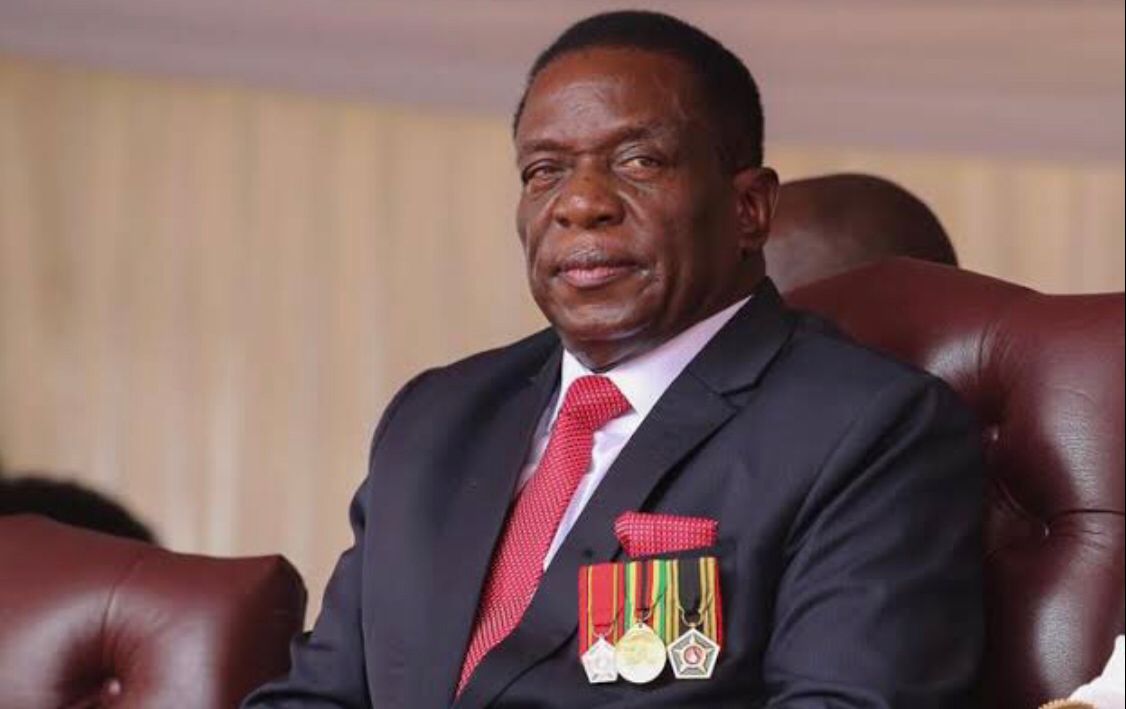
Officially launched by President Mnangagwa in October last year, the system which became operational on 1 January this year is meant to minimise human assistance in the awarding of tenders and help tackle corruption.
Mr Ruswa, however, said the authority has approved 251 annual procurement plans via the e-GP and expressed disappointment that some suppliers are yet to register with the system, a position which breeds corruption and lack of professionalism.
The two-day Symposium is running under the theme: “The Future of Public Procurement: Emerging Trends and Opportunities.”


 derick.khumalo