

 Online Reporter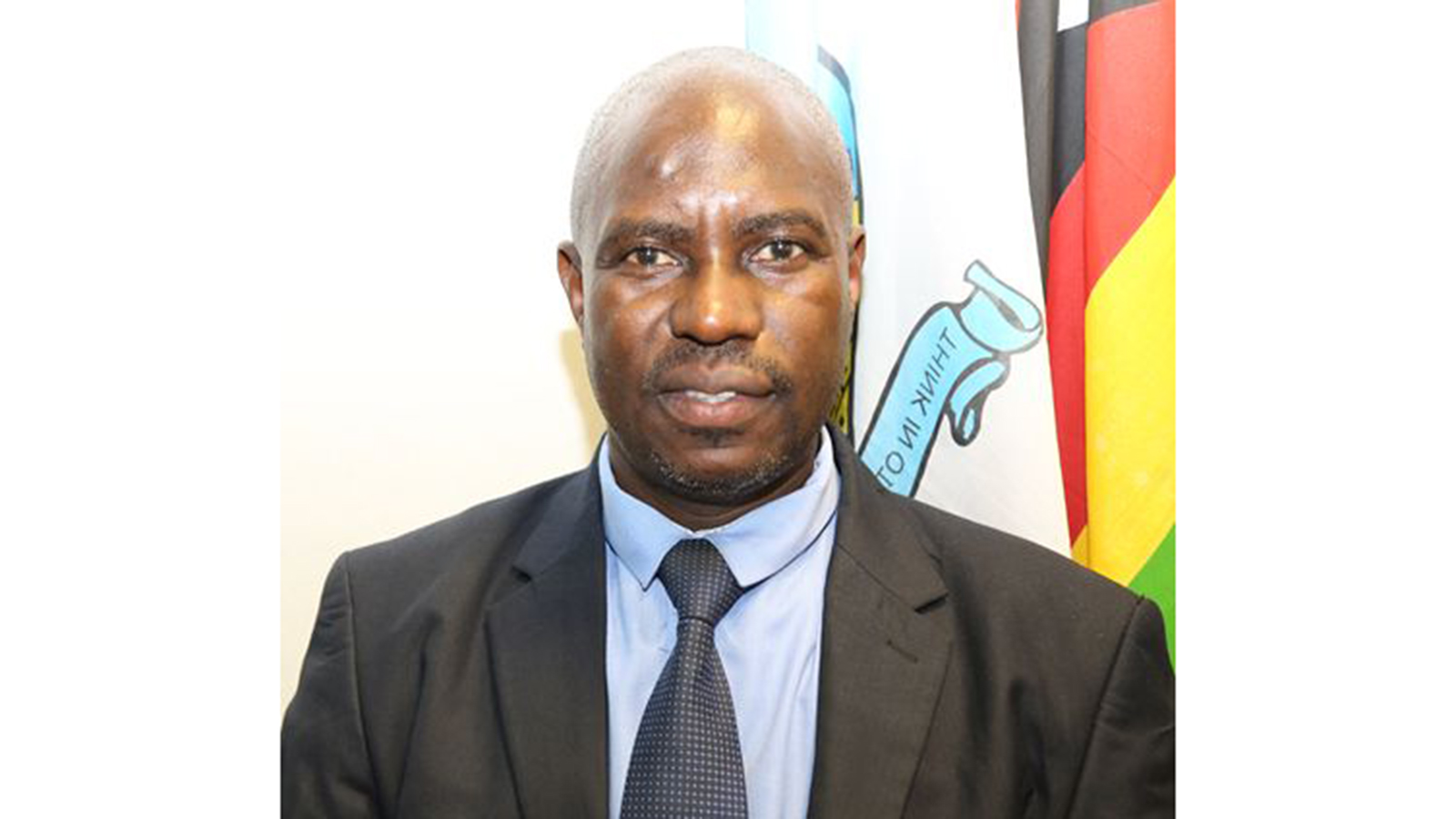
Judith Phiri
Zimpapers Business Hub
THE engineering sector is lobbying for provisions in the Occupational Safety and Health Bill to make the new legislation proactive by mandating companies to prioritise workplace accident prevention.
The Bill is meant to establish a comprehensive framework for protecting workers’ health and safety, covering employer duties, worker rights, workplace regulations and enforcement mechanisms.
The new legislation would consolidate fragmented laws, align with international standards like the International Labour Organisation (ILO) Convention 155, and introduce new measures such as whistle-blower protection, enhanced enforcement and safer workplaces, ultimately reducing occupational accidents and diseases.
Speaking during a public hearing on the Bill (H.B. 6, 2025) in Bulawayo on Wednesday, Zimbabwe Institution of Engineers (ZIE) president Engineer William Musekiwa Goriwindo, said the current structure of the proposed legislation was mostly reactive, with legal provisions that only apply after an accident has happened.
“So, the emphasis, which is now more on the medical side, needs to be re-aligned to indicate the hierarchy of prevention to ensure accidents are prevented and then the reaction can then be reinforcing,” he said.
“We have benchmarked some of the practices elsewhere, including the international ones, in which we are putting together a paper that will be in writing.
“The major one is that the structure of the bill needs to emphasise prevention as opposed to reaction.” Engineer Goriwindo, who is also the Pro-Vice Chancellor for Innovation and Business Development at the National University of Science and Technology (NUST), said they would submit their proposals by September 30, to emphasise key aspects of the engineering sector that should be included or revised in the proposed amendments.
Engineer Last Mabvu highlighted the need for a clear definition of terms in the Bill, with the same meaning as two different things, but having the same definition.
He said: “An occupational medical practitioner, as quoted in the Bill, is a person who is registered as a medical practitioner under the Health Professions Act (Chapter 27:19) with post-graduate training in occupational medicine or occupational health.
“I believe the definition of occupational medical practitioner does not address what it ought to address. Can any medical practitioner become an occupational medical practitioner?
“If not, the differentiating factor should be articulated as well.”
Another guest at the launch, Ms Tinotenda Mandizvo, called for minimum qualifications, skills and experience for occupational medical practitioners to be explicitly stated in the Bill to ensure competence.
She added: “The Bill must mandate the employment of competent and experienced occupational safety and health professionals in the workplaces. Additionally, we require recognition from the Zimbabwe Institute of Occupational Safety and Health (ZIOSH).
“It should be formally recognised and referenced in the management of occupational safety and health in the country.”
Ms Mandizvo said there was a need for mandatory appointment of occupational safety and health personnel in every organisation with a specified number of employees, for example, 20 or 50. She said the current phrasing on employing a dedicated occupational safety and health officer or safety professional, which the Minister may prescribe, was too vague and led to inconsistent enforcement.
“The Bill should mandate the inclusion of occupational safety and health personnel in top management. Structures should ensure occupational safety and health is prioritised in decision making . . .,” she added.
The Portfolio Committee on Public Service, Labour and Social Welfare Chairperson Dexter Malinganiso (Member of Parliament for Zvimba South Constituency), said the Bill repealed the Pneumoconiosis Act and the Factories and Works Act.
“These Acts have become obsolete and they are too old; things that used to cause injury in 1940 are no longer the same as nowadays.
“We are happy with the submission that we got here in Bulawayo, particularly from engineers who argued that for safety, we need to be proactive rather than reactive,” he said.
“It is their understanding that the Bill is more reactive than it is proactive; they are asking that it be aligned more to a provision of a safe working environment where engineers take precedence rather than focus on medical.”



