admin
admin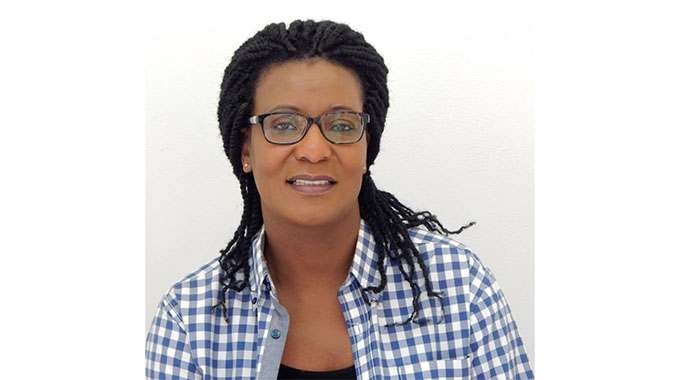
Daniel Chigunwe Herald Correspondent
People with disability (PWD) have implored Government for inclusion in the ongoing budgetary processes to achieve several projects that are currently under spotlight as well as economic empowerment in line with the National Development Strategy 1 (NDS1)
In 2021, President Mnangagwa launched the National Disability Policy of Zimbabwe, in a move which denotes high level Government commitment towards respecting, promoting, fulfilling and protecting the rights of persons with disabilities.
The National Disability Policy also directs the mainstreaming of disability in all laws, policies and programmes.
Speaking to The Herald recently the director for Disability Affairs in the Ministry of Public Service, Labour and Social Welfare, Dr Christine Peta said financial inclusion of persons with disability in the spirit of leaving no one and no place behind will contribute to the achievement of an upper middle income economy for all.
“Disability is acknowledged as a cross-cutting interdisciplinary issue in the National Development Strategy NDS1, meaning that metaphorically, disability is in everything and disability is everywhere. Therefore, it means that the multi-dimensional and multi-layered nature of disability demands collective responsibility and accountability within our context of the whole of Government and whole of society approach.
“There is a need for Zimbabwe to have a Disability Budget Statement which provides guidelines for disability inclusive budgeting that can be factored into annual budget proposals by all sectors, in the same way that gender has been done,” said Dr Peta.
She further highlighted that financial inclusion of disability issues will go a long way to tame existing challenges in service delivery, securing of assistive devices including wheelchairs, crutches, artificial limbs and spectacles and supporting with tuition fees for persons with disability.
Budgetary inclusion will also aid in the vision of establishing a Sign Language Authority, Braille Authority, disability research and sustainable livelihoods projects.
“We also need to ensure that in our expenditure of public funds, we do not spend funds on programmes that oppose disability inclusion. There is also a need for progressive and increased spending to ensure that infrastructure, services, and information are inclusive and accessible to persons with all kinds of disabilities.
“A percentage of the total budget of every sector, for example 10 percent, can be dedicated to disability inclusion. That way, we ensure that no one and no place is left behind as we collectively move towards achieving the national vision of becoming an empowered and prosperous upper middle-income society by 2030,” added Dr Peta.


 Online Reporter