admin
admin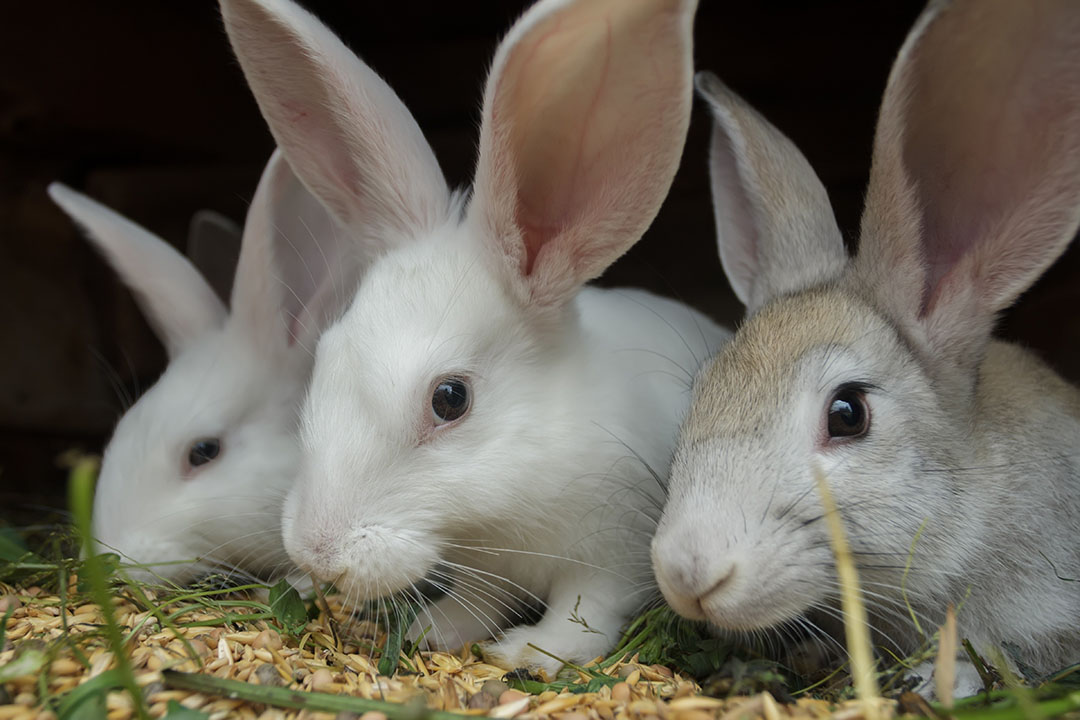
Elita Chikwati
BUNNY Estates, a non-profit organisation, has launched a rabbit project that is expected to boost production and benefit communities with skills transfer and income generation.
The project is being implemented at Gwebi Agricultural College by Bunny Estates in partnership with Zimworx.
Fifty-one percent of proceeds will be used to benefit the community while 49 percent will be re-invested into the business.
When the project reaches full throttle, proceeds will be used to empower the communities around the Gwebi area.
Beneficiaries, mostly farmers, will get free training on sustainable rabbit production while others will get start-ups to embark on their own projects.
Proceeds from the projects are also expected to upgrade abattoirs, rehabilitate infrastructure at the agricultural college and within the community, especially roads.
Bunny project manager Mrs Tsungi Zangure said rabbit production was a viable project as the animals multiply within a short period and have a high protein content.
“Rabbits have a high meat to bone ratio. For every rabbit, there is more meat than bones compared to other animals. A rabbit is easy to prepare, the meat is good for children and people with digestive problems. The skins can be sold to a fur market while the nails can be used to make wax. The waste from the rabbit (urine and droppings) are used as foliar fertiliser.
“The urine can be used as a pesticide that is environmentally friendly and will not temper with other beneficial insects such as bees,” she said.
Mrs Zangure said the rabbit used to be viable during the 1990s when Zimbabwe used to produce 4 000 tonnes of rabbit meat for the export market.
“Our rabbits were some of the best in the world. This project should revive the industry. We want to reclaim our position on the global market”.
She said the two breeds they are producing, California and New Zealand White, have the highest amount of meat to bone ratio.
“Production capacity within New Zealand white gives us 10 to 14 kittens. The rabbits also have the fastest growth rate. We are using natural breeding and from the 72 rabbits, to get to a 1 000 breeders from the lot, it will take us four months.
“When in full swing, from the 1 000 we will be selling 8 000 rabbits per month to the market,” Mrs Zangure said.
WestProp Zimbabwe chief executive and Bunny Estates shareholder Mr Ken Sharpe thanked Government for providing land for the project.
“In charity work, it is better to give a hand up than a hand out. It is always better to teach someone to fish than to give them a fish. And if they do not have the fishing rod or the pond, and the fish in the water, there is nothing to fish. So you actually have to enable the whole facility to become viable.
“This is a major project where profits and income stay within. We do not give them to officials or shareholders.
“We want to invest in the community around us, the Gwebi community. We have talked about the road that needs rehabilitation and training and those will be done for free.
“The money generated by the project is not going to be kept inside but will go out to empower the community including extension staff. We will also fund education,” he said.
A partner, Zimworx, has established local markets for the rabbits and is looking at expanding to export destinations.
Zimworx country director, Mr Tonderai Nyakuhwa, said their project was also targeting to improve nutrition among communities.
“We are using land to produce food and empower communities. We chose rabbits because they give returns within a short period. There are so many projects in the pipeline. We are also going to venture into bee production,” he said.


 Online Reporter