

 dyton mupawaenda
Mukudzei Chingwere-Herald Reporter
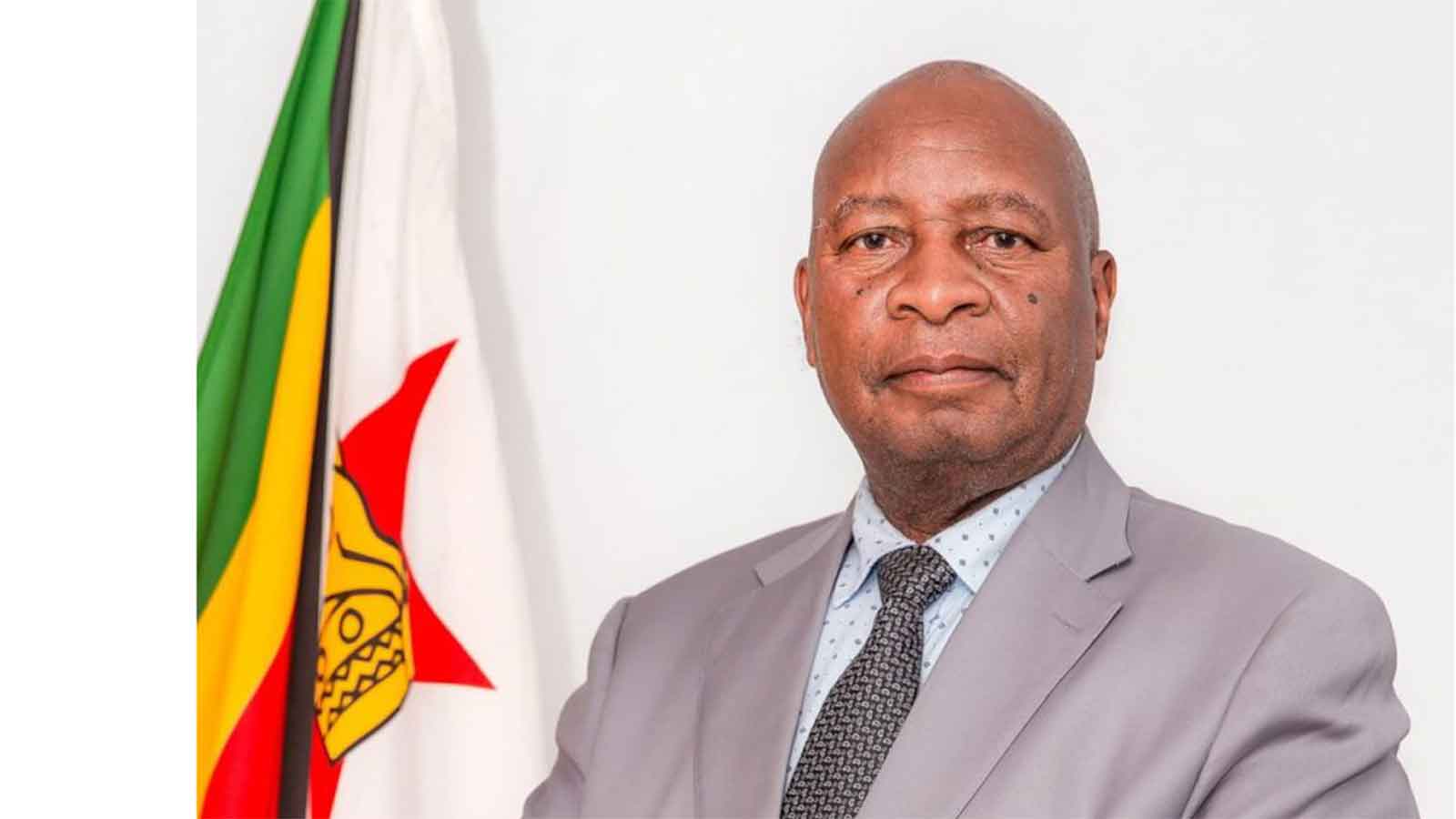
The use of radiation in several industries has brought about significant benefits to society, but it also poses risks to human health and the environment and it is essential that all work together to ensure that the public are protected from the harmful effects, Minister of Energy and Power Development Edgar Moyo said yesterday.
He was speaking at the ongoing radiation safety conference in Harare yesterday, hosted by the Radiation Protection Authority of Zimbabwe, a platform where experts are sharing knowledge and experiences as well as discuss latest developments in the field.
The conference is being held under the theme: “Strengthening the radiation protection and safety of workers, public and the environment, a decade of accomplishments and future endeavours.”
The number of radiation users continues to grow with current figures showing an accumulated figure of 852 radiation facilities in the country compared to 583 in 2019.
“As we are all aware, the use of radiation technologies brings with it risks to health and the environment. At the end of the spectrum of these negative effects is the high incidence of cancers worldwide, including in Zimbabwe,” said Minister Moyo.
“Zimbabwe is a member state of the International Atomic Energy Agency and is committed to the peaceful use of nuclear and radiation technologies.
“The Radiation Protection Authority of Zimbabwe has been working tirelessly to promote radiation safety in the country and has made significant contributions towards achieving the nation’s goals in line with NDS1 goals.
“The Government of Zimbabwe continues to support the authority’s efforts as demonstrated by the on-going construction of the disused radioactive sources repository in Hatcliffe, which is expected to be commissioned in the near future.
“On completion, the facility will reduce the burden among users of managing disused sources as they will be housed in a safe and secure area while repatriation arrangements are worked on.
“I hope that this conference has provided an ideal platform for the sharing of experiences and creating collaborations that will deepen cooperation among experts and carry forward in their daily work for a safer country where radiation technologies can be fully embraced and used in a safe manner.”
RPAZ chair Dr Anna Nyakabau said the conference was a result of the collaboration and partnership between the authority and other stakeholders, who share a common vision and mission of promoting the safe and secure use of radiation and nuclear technology for the benefit of humanity and the environment.
“Since its inception in 2010, the authority has been striving to achieve excellence and professionalism in the discharge of its duties and responsibilities,” said Dr Nyakabau.
“We have been guided by the principles and safety standards of the International Atomic Energy Agency, which is the global leader in the field of nuclear science and technology.
“We have also been supported and assisted by other regional and international organisations, networks and initiatives such as the African Regional Cooperative Agreement for Research, Development and Training related to Nuclear Science and Technology (AFRA), the Forum of Nuclear Regulatory Bodies in Africa (FNRBA), and the Global Initiative to Combat Nuclear Terrorism (GICNT).
“Through these platforms, we have been able to access and benefit from various resources and opportunities, such as training and capacity building, technical cooperation and assistance, peer review and evaluation, Information and knowledge sharing, and best practice and experience exchange.
“These have enabled us to enhance our capabilities and competencies, and to improve our performance and effectiveness in ensuring the protection of our people and our environment from the harmful effects of radiation,” said Dr Nyakabau.


 Online Reporter