Online Reporter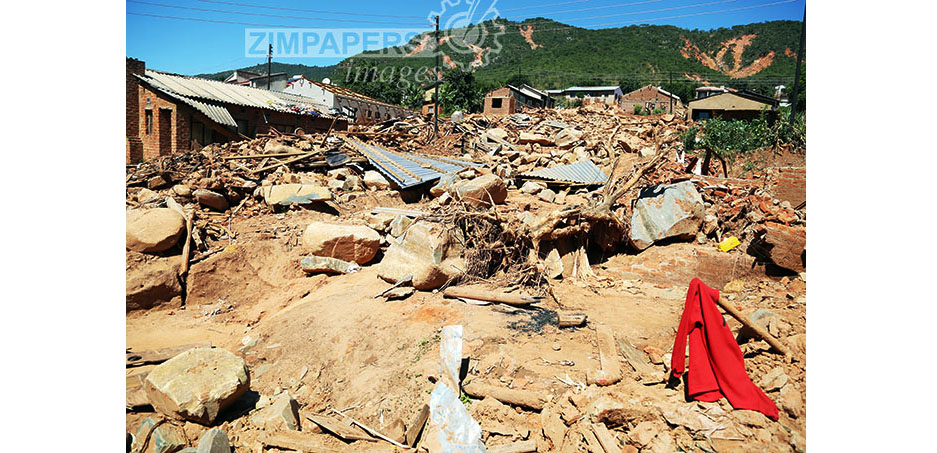
Ray Bande
Senior Reporter
LEST we forget, at least 341 people died, with many more reported missing in the aftermath of Cyclone Idai in March 2019.
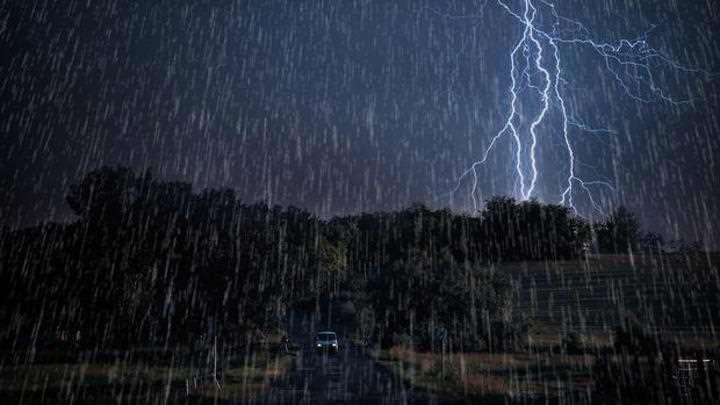
For the folks in Chimanimani, every dark cloud in the sky is a perfect reminder of the horrendous episode.
Over 17 600 households were left homeless, and approximately 4 000 people were displaced.
Thousands of people were affected across four provinces, mainly in Manicaland, and to some extent Masvingo, Midlands, and Mashonaland East.
Roads and bridges were severely damaged, with over 90 percent of road networks in Chimanimani and Chipinge badly affected.
Water and sanitation infrastructure suffered major damage, affecting over 9 000 residents in Chimanimani and 33 000 in Chipinge.
139 schools were affected, with 133 having structural damage or loss of learning materials.
12 health facilities were damaged.
More than 50 percent of the maize, banana, and yam crops were wiped out.
18 irrigation schemes were affected.
Thousands of livestock, including cattle and chickens were lost.
Damage to infrastructure, like the port in Mozambique, hindered food imports into the landlocked country, deepening a food crisis.
The total estimated damage was between US$542 million and US$616 million, with over half of the damages occurring in Chimanimani and Chipinge districts respectively.
Such were the devastating effects of the tropical cyclone, and as the rainy season gets underway, disaster preparedness needs no emphasis.
We have seen it, we have gone through it, and we now understand the possible extent of damages that can be incurred.
According to the Meteorological Services Department (MSD): “The season is anticipated to commence between mid-November and mid-December 2025. Temperature-wise, a warmer-than-normal November is expected to be followed by cooler than normal conditions for December 2025 through February 2026.
“Despite the promising rainfall outlook, the risk of dry spells, violent storms, and flash floods necessitates proactive measures such as water harvesting, irrigation planning, drainage maintenance, and public health preparedness.
“The public is advised to rely on continuous updates from the Meteorological Services Department for detailed short-term guidance as the department will continuously monitor the climate and weather systems throughout the season.”
Evidently, harsh weather conditions that have possible destructive effect on human or animal life as well as property are here to stay, of course, all because of climate change.”
That the rainy season is now in full swing needs no reminder.
To say it is raining will be an understatement, it is bucketing down!

Writes the MSD: “The mean start to the rainfall season in Zimbabwe is in the month of November into early December. The bulk of the country normally records the start of the season between November 10 and November 30. The extreme northern and southern parts of the country have an average start of season between December 1 to 15.
“The climatological end of the season ranges between March 1 and March 20 except for few places where the season can stretch as far as March 31.”
It is against this background that disaster preparedness mechanisms need to be strengthened across all sectors including health, housing, public infrastructure among others.
Apart from infrastructure, there are several health disasters that are associated with heavy rainfall as well as above normal temperatures.
Manicaland Provincial Medical Director, Dr Munyaradzi Mukuzunga said: “Given the high temperatures that will also be experienced during the rainy season, people need to rehydrate by taking lots of water to avoid dehydration and its effects.
“There is also need to ensure that people have alternative safe drinking water sources in the event of damaged to public water systems infrastructure,” he said.
Reads the MSD seasonal weather forecast statement:
“Warmer than normal conditions are expected in November across the country. Cooler than normal conditions are expected in December except for the northern tip of the country.
“Cooler than normal conditions are expected in January and February across the country.”
Be that as it may, it is refreshing to note that the powers that be are aware of the need for disaster preparedness.
Addressing a provincial CPU meeting on disaster preparedness, acting Manicaland provincial director (Local Government Services and Administration), Mr John Misi said: “We met all DDCs across the province and we enlightened them on the possible dangers that might be faced in their respective areas. We urge churches, non-governmental organisations, or businesspersons to come together in preparing for possible disasters.”