admin
admin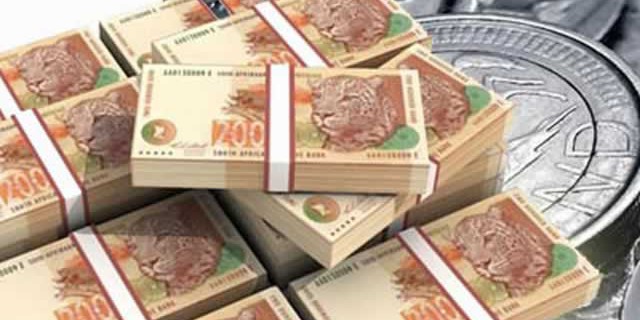
 Johannesburg – South Africa’s economy regained the position of Africa’s largest in dollar terms more than two years after losing it to Nigeria as the value of the nations’ currencies moved in opposite directions.
Based on gross domestic product at the end of 2015 published by the International Monetary Fund, the size of South Africa’s economy is $301bn at the rand’s current exchange rate, while Nigeria’s GDP is $296bn.
That’s after the rand gained more than 16 percent against the dollar since the start of 2016, and Nigeria’s naira lost more than a third of its value after the central bank bank removed a currency peg in June.
Both nations face the risk of a recession after contracting in the first quarter of the year. The Nigerian economy shrank by 0.4 percent in the three months through March from a year earlier amid low oil prices and output and shortage of foreign currency. That curbed imports, including fuel. In South Africa, GDP contracted by 0.2percent from a year earlier as farming and mining output declined.
“More than the growth outlook, in the short term the ranking of these economies is likely to be determined by exchange rate movements,” Alan Cameron, an economist at Exotix Partners, said in emailed responses to questions on August 2. Although Nigeria is unlikely to be unseated as Africa’s largest economy in the long run, “the momentum that took it there in the first place is now long gone”.
The South African rand rallied as investors turned to emerging markets with liquid capital markets to seek returns after Britain voted to leave the European Union on June 23, even as the central bank forecast the economy won’t expand this year and the nation risks losing its investment-grade credit rating.
The ruling African National Congress’s lowest support since 1994 in the August 3 local government vote led to further gains on speculation that it will pressure the party to introduce economic reforms that will boost growth and cut unemployment.
In Nigeria, investors didn’t flock to buy naira-based assets after authorities removed the peg of 197-199 naira per dollar. The Central Bank of Nigeria raised its benchmark interest rate to a record in July to lure foreign money, even as the IMF forecast the economy will contract 1.8% this year.
Nigeria was assessed as the continent’s largest economy in April 2014 when authorities in the West African nation overhauled their GDP data for the first time in two decades.
The recalculation saw the Nigerian economy in 2013 expand by three-quarters to an estimated 80 trillion naira.
The rand gained 1 percent to R13.2805/$ at 16:03 in Johannesburg yesterday. The naira weakened 2.7 percent to 320 per dollar. – Fin24.


 Online Reporter