Online Reporter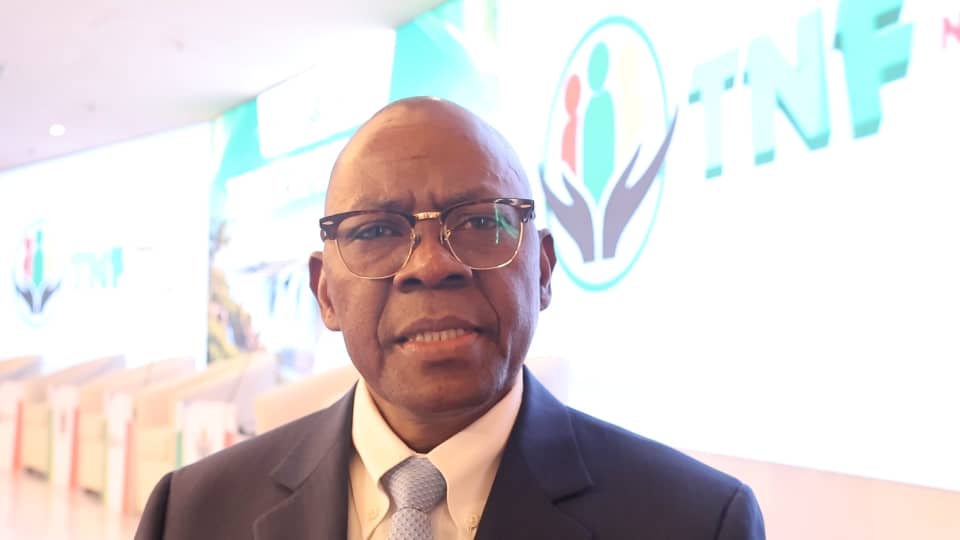
Theseus Mauruki Shambare in VICTORIA FALLS
THE Reserve Bank of Zimbabwe has challenged banks to ensure that the cheaper funding being made available under its Targeted Finance Facility (TFF) translates into affordable credit for small and medium enterprises and other productive sectors.
RBZ Deputy Governor Dr Innocent Matshe said banks accessing funds from the central bank at 15 percent should not automatically charge borrowers the maximum 25 percent permitted under the facility.
“The first is the Targeted Finance Facility, which has a cap of interest rates of 25 percent, but this doesn’t mean that banks should charge 25 percent,” Dr Matshe said on the sidelines of the ongoing Zimbabwe Tripartite Negotiating Forum (TNF) Global Summit in Victoria Falls.
“They should charge up to 25 percent because they are getting this financing at 15 percent.”
The RBZ reduced the TFF interest rate from 20 percent to 15 percent in June, while capping banks’ on-lending to productive sectors at an all-inclusive interest rate of 25 percent.
The latest comments by Dr Matshe come as the TNF Global Summit brings Government, business and labour together to discuss inclusive growth, decent work, investment promotion and industrialisation.
Rather than announcing a new lending-rate measure, the RBZ’s latest position puts emphasis on the transmission of existing monetary policy measures to businesses that need capital for production and expansion.
The central bank has previously identified the TFF as an instrument for supporting productive sectors, with the facility increased to ZiG1 billion under its 2026 Monetary Policy Statement.
Dr Matshe said the TFF was one of two instruments being used by the RBZ to improve financing for SMEs, with the second being the ZiG Term Deposit Facility.
Under the term-deposit facility, the central bank is seeking to encourage savings that can subsequently be transformed into capital for small and medium-scale enterprises.
“We have used this term deposit facility to start creating a yield curve.
“Already, we have a short-term yield curve of 8 percent for 30 days, 9 percent for 60 days, and about 11 percent for 90 days,” he said.
Dr Matshe said the effectiveness of the measures would depend partly on the financial services sector’s ability to turn mobilised savings into lending to the productive economy.
“So, it is important for the financial services sector to play ball, to transform savings into credit that can go into oiling the real sector,” he said.
The push comes against the backdrop of the RBZ’s broader monetary policy framework, which seeks to align money-supply growth with real economic activity while maintaining price and financial stability.
For SMEs, the key issue now is whether the lower-cost funding available to banks will translate into credit at rates below the maximum 25 percent ceiling.
The development also places banks at the centre of the summit’s broader discussions on inclusive growth, as businesses require working capital and investment finance to expand production and create employment.
Dr Matshe said the RBZ was also pursuing its third Financial Inclusion Strategy, with the focus shifting from access and usage towards resilience.
“The first was about access, the second was about usage, and now we’re thinking about resilience of financial inclusion,” he said.
The latest intervention therefore links monetary policy, savings mobilisation and SME financing, with the RBZ looking to the banking sector to ensure that financial resources ultimately support productive economic activity.