Online Reporter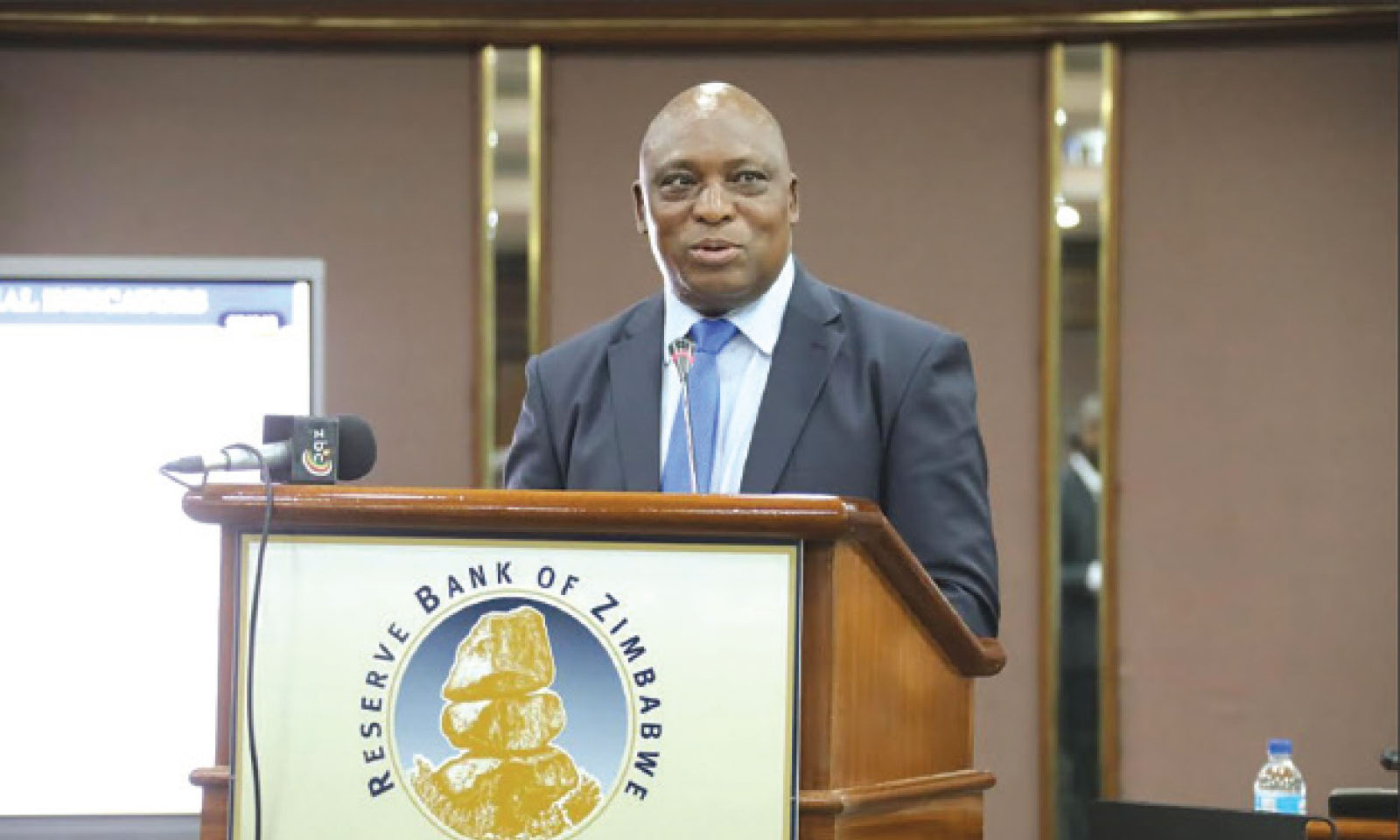
Tapiwanashe Mangwiro
Senior Business Reporter
THE Reserve Bank of Zimbabwe has reduced the exporters’ foreign currency retention threshold from 75 percent to 70 percent in line with efforts to promote the use of the domestic currency in the economy and ensure stability.
The Reserve Bank of Zimbabwe (RBZ) Governor Dr John Mushayavanhu announced the decision when he presented the bank’s 2025 Monetary Policy Statement, as he outlined key adjustments to reinforce economic stability.
The initiatives form part of the broad objective to gradually increase the wider use of the Zimbabwe Gold (ZiG), which the central bank says should become the sole transaction currency by 2030.
“This is in order to guarantee continued stability in the interbank foreign exchange market through augmenting the supply of foreign currency, as well as building the critical foreign currency reserves needed to anchor the ZiG,” Dr Mushayavanhu said.
The revision increases the effective surrender portion of export proceeds from 25 percent to 30 percent, effective immediately.
“The additional 5 percent will ensure that exporters mobilise sufficient ZiG to meet local currency obligations and other expenses, including tax payments, going forward,” he said.
The measure aligns with the increasing use of the ZiG in the economy while also building critical forex reserves to anchor the currency.
He noted that the bank had managed to ensure exchange rate and inflation since introducing the new currency in April last year, due to the bank’s tight monetary policy thrust, except for a brief period in October when it nearly devalued the exchange rate.
To enhance value preservation on the additional portion of the surrender requirements, the central bank has introduced a US Dollar Denominated Deposit Facility (USDDDF).
This enables exporters who do not have an immediate need for the ZiG equivalent of their additional 5 percent surrender proceeds to invest those funds with the Reserve Bank.
“Exporters will have the option to invest the funds in the USDDDF at the Reserve Bank, which they can withdraw in ZiG on demand at the prevailing interbank exchange rate on the settlement date,” Dr Mushayavanhu explained.
“We are just making sure to transfer the exchange risk from the exporter to the Bank, which is already our mandate as the Central Bank.”
The facility is aimed at providing exporters with an additional safeguard against exchange rate fluctuations while ensuring liquidity in the domestic currency.
As part of its comprehensive monetary policy adjustments, the RBZ has also introduced additional measures to enhance access to credit for productive sectors through the Targeted Finance Facility (TFF).
The facility is funded from statutory reserves already held at the Reserve Bank, meaning that no new money is being created.
“The introduction of the TFF is a deliberate effort to balance monetary stability with economic growth,” the Governor elaborated.
He added that the facility will allow banks to increase lending to critical productive sectors without disrupting overall financial stability.
In response to liquidity constraints affecting wholesalers and retailers, the RBZ has expanded the TFF to cover these sectors, allowing them to restock efficiently.
Dr Mushayavanhu also highlighted that beneficiaries of the facility would be able to access the Willing Buyer Willing Seller (WBWS) Interbank Foreign Exchange Market upon submission of bona fide invoices for their essential import needs.
Addressing the inflation outlook, the central bank remains committed to a tight monetary policy stance to anchor exchange rate stability, a key factor influencing price dynamics in Zimbabwe’s multi-currency environment.
“Our prudent reserve money targeting and strategic interventions in the foreign exchange market will ensure exchange rate stability, thereby driving inflation downward,” Dr Mushayavanhu asserted.
He projected that average month-on-month inflation would remain below 3 percent throughout 2025.
However, annual inflation is expected to experience a temporary rise between April and September due to base effects from a spike in October 2024.
Nevertheless, the RBZ expects inflation to moderate significantly by year-end, settling between 20 percent and 30 percent.
With these monetary policy adjustments, the RBZ remains focused on strengthening economic fundamentals, ensuring exchange rate stability, and fostering sustainable growth.
The Governor reaffirmed the central bank’s commitment to maintaining a disciplined monetary approach while supporting key sectors to stimulate economic activity.