Online Reporter
Debra Matabvu, Harare Bureau
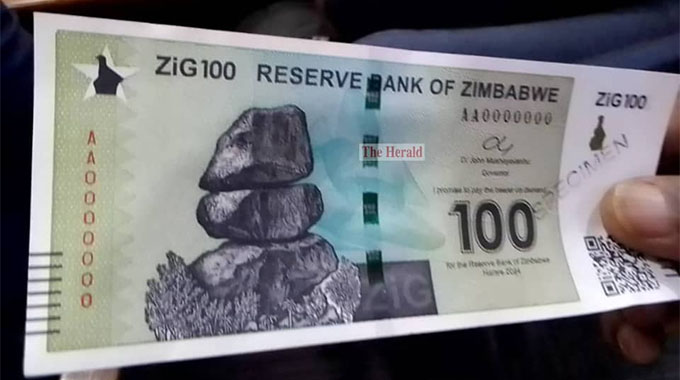
THE Zimbabwe Gold (ZiG) currency has strengthened on the parallel market, moving from US$: ZiG40 to US$1:ZiG35, as interventions by the Reserve Bank of Zimbabwe (RBZ) have tightened liquidity in the market and curbed speculation.
The central bank’s strict monetary policies and adjustments to the willing-buyer, willing-seller (WBWS) interbank market have reduced demand for foreign currency on the black market, with businesses now accessing the bulk of their foreign exchange needs through formal channels, lowering reliance on illicit trades.
According to RBZ Governor Dr John Mushayavanhu, monetary authorities have ensured a steady supply of forex on the market, with 60 percent of the funds offered on the WBWS market remaining untapped, proving that official channels can meet market demand.
The bank has also restricted money supply growth, a development that has helped stabilise inflation and strengthen the local currency.
Responding to questions from The Sunday Mail, Dr Mushayavanhu said a US$500 million current account surplus recorded in 2024 has further reinforced market confidence.
“Indeed, the exchange rate has been strengthening on the foreign exchange parallel market, reflecting the effectiveness of the tight monetary policy stance being pursued by the Reserve Bank to consolidate the ongoing price and currency stability,” he said.
“The current monetary and financial conditions have, thus, managed to significantly curtail speculative activities in the foreign exchange market.
“The drop in the parallel market exchange rate also reflects the effectiveness of the willing-buyer, willing-seller interbank foreign exchange market and the adequacy of foreign exchange due to regular interventions by the Reserve Bank.”
Businesses, he said, have been accessing their full foreign currency requirements from the formal WBWS market to meet all bonafide and legitimate forex requirements.
“This development reduced demand and activity on the parallel market,” he added.
“Reflecting the adequacy of foreign exchange on the WBWS market, the interventions by the Reserve Bank have seen reduced take up of forex offered at approximately 60 percent, indicating that formal market forex demand is being met in full.”
With the 2025 Monetary Policy Statement refining the WBWS market, he said, the RBZ expects continued exchange rate stability and a further decline in parallel market activity.
“The current disparity between the official and parallel exchange rates, therefore, reflects extra premiums relating to searching costs and illegality premiums associated with transacting in the parallel market instead of market fundamentals, which are currently favourable.
“These market fundamentals include the inflation-neutral money supply growth rates and a strong balance of payments position, as attested by a huge current account surplus of about US$500 million recorded by the country in 2024.”
Dr Mushayavanhu said the central bank’s monetary policy stance will consolidate the current stability and reduce the speculative demand for foreign currency.
“The refinements to the willing-buyer, willing-seller foreign exchange market announced in the 2025 Monetary Policy Statement will further deepen the foreign exchange market and the efficiency of the price discovery mechanism,” he said.
“The current monetary policy stance is, therefore, expected to consolidate the current stability of the exchange rate and inflation and reduce the speculative and store-of-value demand for foreign currency as ZiG stability becomes sustainably anchored.
“The expected reduction in the store-of-value demand for foreign currency will continue to reduce activity on the parallel market and further strengthen the ZiG currency.”