Online Reporter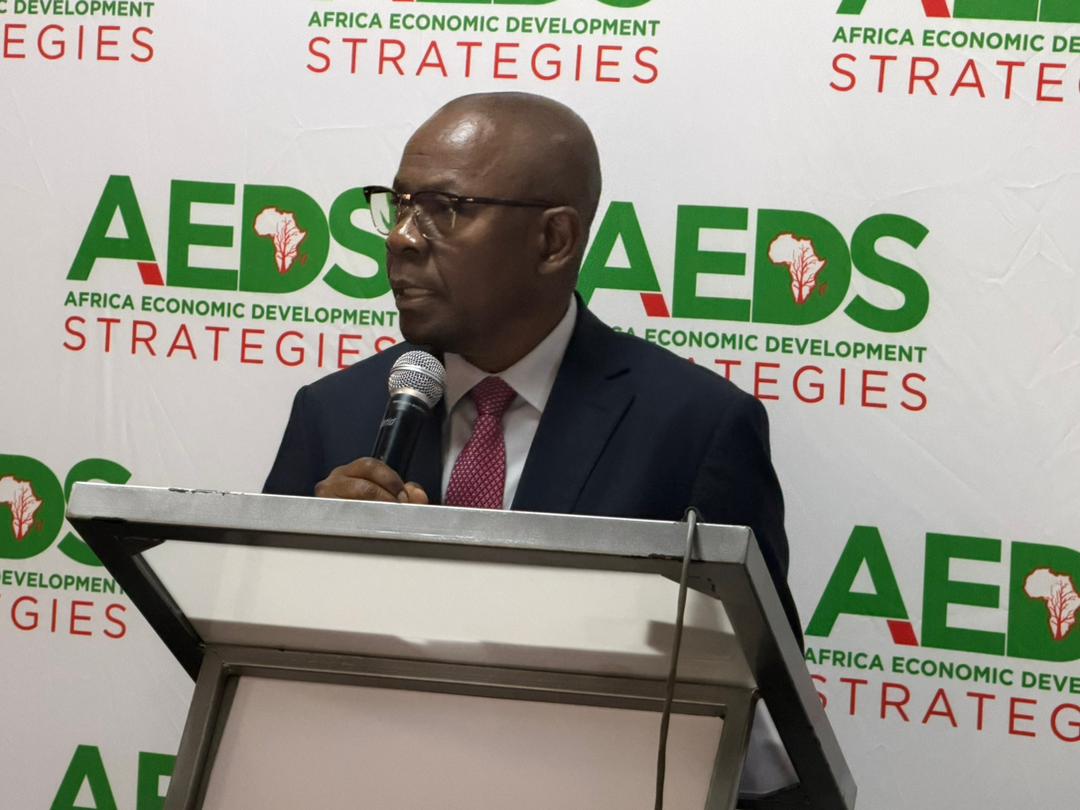
Nqobile Bhebhe
RESERVE Bank of Zimbabwe (RBZ) Deputy Governor Dr Innocent Matshe says authorities will not rush to adopt a mono-currency system unless key economic fundamentals are firmly in place, stressing that moving prematurely would be counterproductive.
His remarks come amid growing debate on the country’s currency roadmap, with the central bank maintaining that macroeconomic stability and adequate reserves are non-negotiable pillars before any transition.
Dr Matshe said the market will determine movement as it a process stressing that no business should not fear movement to mono- currency.
“If these conditions are not fulfilled, it would be futile for us to move to monocurrency.
“So we are not, as a Reserve Bank, going to encourage any movement, date or not date, movement into monocurrency if these conditions do not work,” said Dr Matshe during a state of the economy and outlook engagement.
Dr Matshe outlined several -pronged framework that must guide any consideration of a mono-currency regime, beginning with sustained macroeconomic stability.
“The first is that we have to have durable macroeconomic stability, which is characterised by low stable growth, enhancing single-digit inflation.”
He said the second condition relates to the strength of the country’s foreign currency buffers.
“The second is adequate foreign currency reserves of at least 3 to 6 months of import cover in the medium to long term.
“And what is that? You may ask, given where we are now is one and a half months.
“And we have achieved that in less than 18 months.”
The Deputy Governor said the third pillar focuses on the efficiency and structure of the foreign exchange system.
“The third condition is efficient foreign currency management system that eliminates foreign exchange market segmentation and promotes the use and access to foreign currency.”
In a strong assurance to the market, Dr Matshe said Zimbabwe currently has sufficient foreign currency to meet legitimate national needs.
“I can confirm right here and now that this country has enough foreign currency for all our important needs.
“Those requirements include school fees payments, medical expenses if you have complications that need intervention from specialists abroad.
“Also another need is that of investment if you are within the benchmarks that exchange control allows.
“So anything that is legitimate you will get foreign currency for it.
“That’s the message from the central bank and banks.”
His comments are expected to bring clarity and reassurance to economic players, as the central bank continues to prioritise stability, confidence and orderly reforms in the monetary system.