admin
admin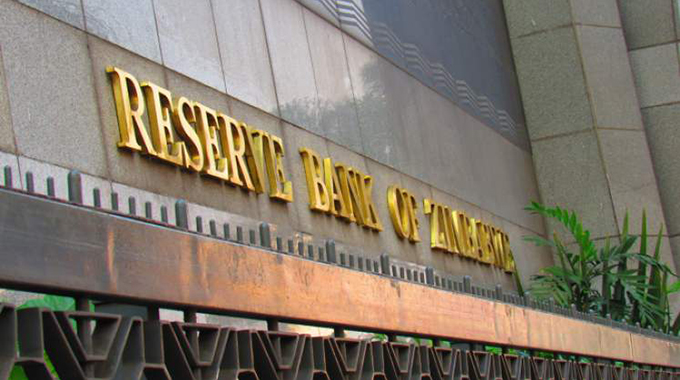
According to the RBZ, there has been a notable improvement in access to and the usage of financial services among marginalised segments of the population as reflected by the total collateral pledged as of February 28, 2025 (File Picture)
Business Reporter
The Reserve Bank of Zimbabwe (RBZ) is ceding a controlling stake in the country’s sole gold buyer and refiner, Fidelity Printers & Refiners, in an effort to boost compliance levels in the trading of the yellow metal.
Authorities say at least US$100 million worth of gold is smuggled out of the country every month amid disgruntlement from producers with regards pricing and payment modalities for gold delivered to Fidelity Printers & Refiners (Fidelity).
Delays in the payment of gold deliveries has in the past led to temporary mine closures by some of the country’s biggest gold producers such as RioZim.
Fidelity, which is also responsible for printing and minting Zimbabwe’s local currency, will first have to be split into two before the gold buying and refining side of the business is sold.
Once split, the RBZ will cede a 60 percent stake of the gold buying and refining business to miners, a model similar to the Rand Refinery, South Africa’s biggest refinery, which is owned by some of that country’s biggest gold miners.
Zimbabwe counts Blanket Mine, Freda Rebecca, and RioTinto among some of its large mine houses.
“The unbundling of FPR is designed to partially privatise the gold refining business by allowing private players to acquire a stake therein and in the process secure and endear the private sector’s interests in the production and marketing of gold in Zimbabwe,” RBZ said in a statement Wednesday.
“By being part of the decision making process on gold trading, it is expected that the gold producers’ compliance levels in the trading of gold will significantly increase.
Accordingly, the bank shall retain 40 percent shareholding in FPR and dispose of 60 percent shareholding to both the large-scale and small-scale gold producers.”
Based on the average quantity of gold delivered to FPR over the past three years, large scale miners will hold a 50 percent shareholding in FPR, while 3 percent will go to gold buying agents and the remaining 7 percent to the small scale producers through their representative bodies.
The central bank also announced the disposal of Tuli Coal (Private) Limited in a move it says will fulfil the Bank’s long-held desire to sell its entire equity in the asset, which is capable of predominantly producing thermal coal, for the benefit of the economy.



 Online Reporter