Chronicle Editor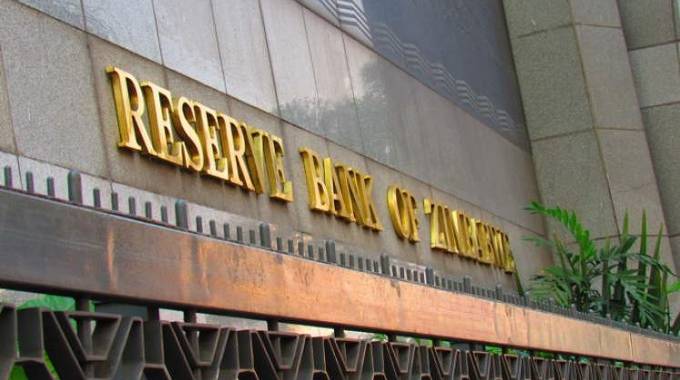
Harare Bureau
MONETARY authorities agree that there is need to lower the cost of borrowing in Zimbabwe in order to support high production in the economy, but are still studying key fundamentals to see if that will not upset current stability.
Reserve Bank of Zimbabwe (RBZ) governor, Dr John Mangudya, said recently that the bank’s monetary policy committee (MPC), was still looking at the key economic fundamentals and will look at possible interest rate review downwards in the new year.
The RBZ raised its policy rate to 35 percent from 15 percent in a bid to curb speculative borrowing amid surging inflation.
A month earlier, in May this year, Zimbabwe had recorded an annual inflation rate of 785,55 percent.
The month-on-month inflation rate came in at 15,13 percent. Generally, a bank policy rate is the rate used by central banks to implement or signal its monetary policy stance or preferred interest rate level, which guides the market. It is most commonly set by the central banks’ policy-making committees.
Zimbabwe’s policy rate was halved from 70 percent to 35 percent in November last year, and was cut further this year to 15 percent, partly to reduce the costs of those in need of borrowing to cope with economic challenges arising from travel restrictions and the lockdown imposed to limit risk of infection of Covid-19.
However, with inflation rates still high, and with special schemes announced at lower interest rates for those most affected by lockdown provisions, the RBZ’s Monetary Policy Committee, has restored the 35 percent pertaining at the beginning of the year.
The black market in foreign currency was being fueled by speculative behaviour, including influxes of borrowed funds.
The rise in general interest rates can be seen as part of the series of measures taken to starve the black market of liquidity, measures that include severe restrictions on large anonymous transactions made through mobile money transfer systems.
The rise in interest still keeps the policy rate below that of the later months of last year, even though inflation has been higher in recent weeks.
With the dropping of the old interbank system for setting exchange rates in favour of more open and transparent auctions, the RBZ wants to eliminate new distortions being introduced by speculators through cheap borrowing.
Dr Mangudya said the latest intervention was part of broad measures to stabilise and protect the Zimbabwe dollar.
“In order to curb speculative borrowing, the MPC resolved to increase the Bank Policy rate from the current 15 percent to 35 percent, with effect from July 1, 2020. The (bank policy) rate will be reviewed from time to time as dictated by prevailing market fundamentals.
“The MPC policy measures taken are envisaged to support the smooth functioning and sustainability of the Foreign Exchange Auction System and stabilisation of the exchange rate and inflation rate,” Dr Mangudya said on Tuesday.
Confederation of Zimbabwe Industries (CZI) vice president Joseph Gunda, recently emphasised the need for authorities to maintain money supply growth or market liquidity within thresholds only sufficient to sustain optimal economic activity to help protect the value of the local currency.



 Online Reporter