Online Reporter
Nqobile Bhebhe, [email protected]
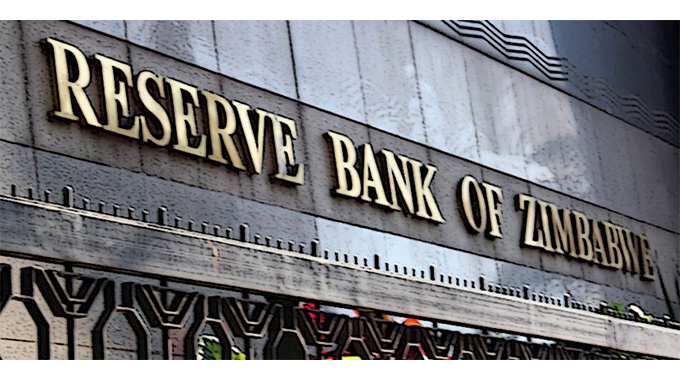
THE Reserve Bank of Zimbabwe (RBZ) will introduce a new family of ZiG banknotes in this quarter, moving to reassure the public that there is no need to rush to exchange existing notes, as the transition will be gradual, orderly and carefully managed.
The ZiG, introduced in April 2024, forms part of a broader monetary policy reset aimed at stabilising the economy by taming exchange-rate volatility, curbing inflation and restoring confidence in the domestic currency.
Unlike previous currencies, the ZiG is backed by a blend of precious minerals — primarily gold — and foreign currency reserves, a framework authorities say has provided a stronger anchor for macro-economic stability.
The rollout of the new notes will come at a time when global gold prices are surging, with the precious metal this week hitting a historic high of US$5 000 an ounce, as investors flock to safe-haven assets amid rising geopolitical and economic uncertainties.
For Zimbabwe, gold is of strategic importance as the country’s largest export earner, a critical source of foreign currency inflows and a key pillar underpinning the ZiG’s value and stability.
Speaking during an economic engagement meeting in Bulawayo, RBZ Deputy Governor Dr Innocent Matshe said the central bank was deliberately taking a measured approach to the rollout to safeguard market confidence and avoid unnecessary panic.
“The redesigning of the ZiG notes began last year, and the new notes will be introduced late this quarter. They will be more durable and of higher quality,” said Dr Matshe.
“There is no need for people to rush to exchange the current notes. The existing ZiG banknotes will remain legal tender.”

Dr Matshe said the availability of high-quality banknotes was a critical success factor in the transition towards a stable mono-currency system.
“As already communicated in the February 2025 Monetary Policy Statement, the Reserve Bank is at an advanced stage in the production of high-quality ZiG notes,” he said.
“The Bank expects to roll out these notes in the first quarter of 2026. The detailed rollout plan, modalities and timing will be announced by the Governor in the February 2026 Monetary Policy Statement.”
Finance, Economic Development and Investment Promotion Minister Professor Mthuli Ncube, while presenting the 2026 National Budget in Parliament last year, also confirmed that production of the new ZiG notes was already at an advanced stage.
This week, several financial institutions notified clients that ZiG cash is now available at selected ATMs, fuelling public interest and speculation ahead of the official launch.
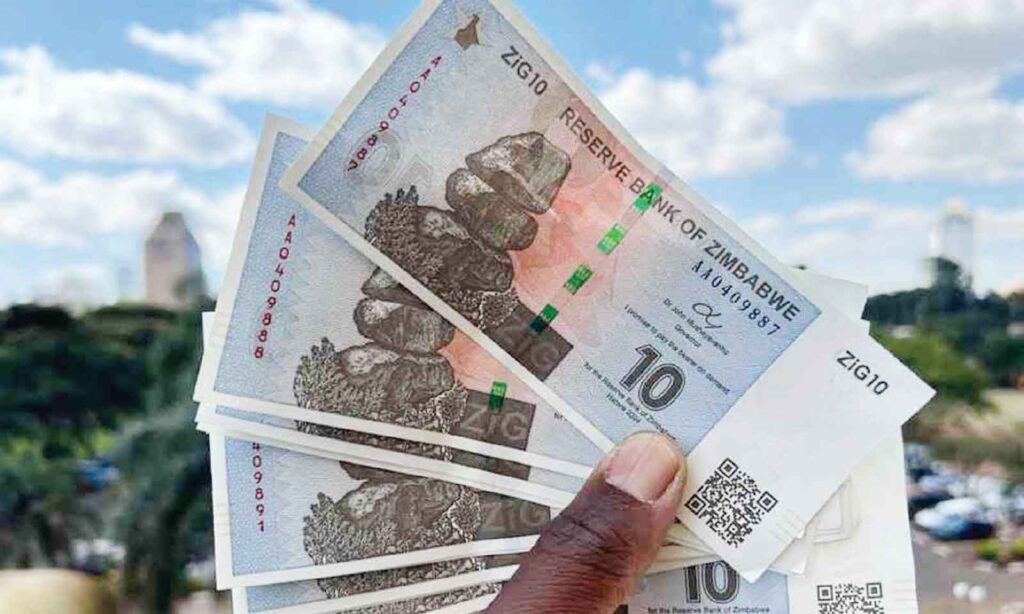
RBZ officials, however, emphasised that the introduction of the new notes will be demand-driven and tightly aligned with genuine transactional needs, rather than flooding the economy with excess liquidity.
Dr Matshe moved to allay fears that the rollout could stoke inflationary pressures.
“The introduction of ZiG notes will not increase money supply. Banks will exchange ZiG cash for their electronic balances (RTGS) held at the central bank. This is merely a change in the form of money, not an expansion of liquidity,” he said.
Economists say the approach reflects the central bank’s renewed emphasis on monetary discipline, liquidity control and confidence-building, which are central to Zimbabwe’s ongoing economic stabilisation efforts.
By assuring the public that existing notes remain valid and that the process will be systematic and transparent, the RBZ is seeking to curb speculative behaviour and prevent disruptions to normal banking and trading activities.