


 Online Reporter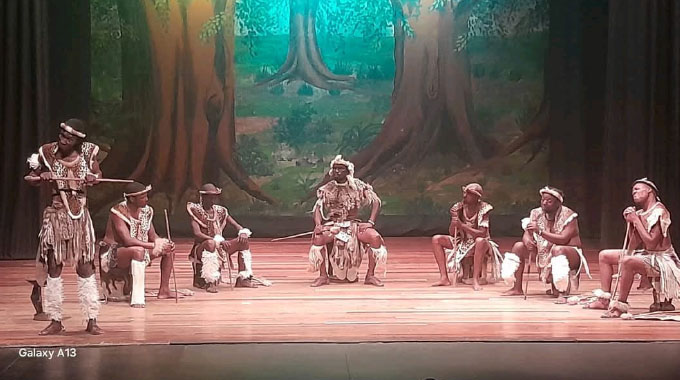
Langalakhe Mabena, Zimpapers Arts and Entertainment Hub
THEATRE is wide in terms of genres and techniques that can be used to portray a production. Of late however, re-imagining epic and history inspired stories has proved to be a real deal, especially in the Bulawayo theatre scene.
The genre, often rooted in the grand narratives of kings, queens, warriors and nation-building demands a unique approach, one that balances historical authenticity with creative interpretation.
There are also facts and myths regarding these ancient figures that were not documented for whatever reasons, but crucial information has been passed from one generation to the other through oral tradition.
Somehow, information from the word of mouth is the one that researchers and playwrights are interested in as they strive to find balance in the ancient discourses, so as to come up with a neutral position in telling the stories. Celebrated teacher and playwright Thabani Hillary Moyo, is one person who has dedicated his life in trying to revive historical stories, especially of the Ndebele nation, as he believes a lot of information was omitted in documenting the history.
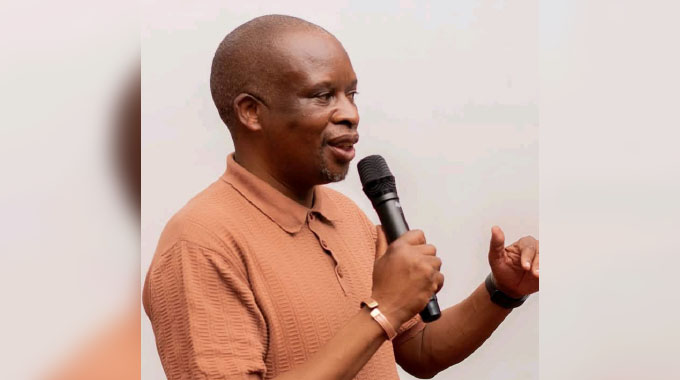
He has done research and come up with multi-award winning plays surrounding the Ndebele history and its dominant figures. He is credited to curating and re-imagining the National Arts Merit Awards (Nama) winning productions UMbiko KaMadlenya, Bayethe Nkosi, Ihloka: The Ndebele Uprising to mention a few.
Despite audiences interested in consuming such productions, Moyo has noted that to write an epic based on a historical figure is to step onto contested ground.
He said it is never just an act of imagination, as it is an engagement with memory, identity, and ownership. For over a decade specialising in this genre, Moyo said he has come to understand that when a people believe they own their history, the playwright does not arrive as a neutral storyteller. He arrives as someone who must negotiate with what is already known, already felt, already protected.
“I am currently working on an epic play based on key figures in Ndebele history, the founding father of the Ndebele nation King Mzilikazi. He is not merely a historical character. He is an epic presence, an ancestor, a symbol, a nation in motion. Writing him has confronted me with the reality that such figures do not belong to the past alone.
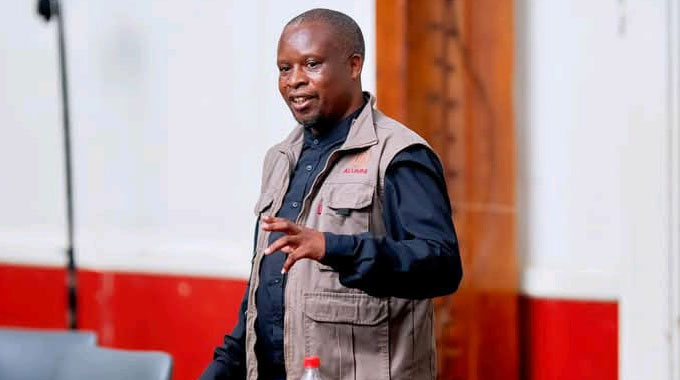
“They live in the present consciousness of the people, and any attempt to dramatise them is immediately measured against inherited truths, oral traditions and deeply held beliefs.
“There is often an expectation that there is a single correct version of the story, and that the playwright’s task is to reproduce it faithfully, rather than interrogate it,” said Moyo.
He noted that history itself is not singular, as he revealed that written records, many shaped by colonial perspectives, often contradict oral histories passed down through generations and those oral histories themselves vary from place to place and family to family.
As a playwright, Moyo said in such cases, he is forced to choose a narrative path, knowing fully that every choice affirms one version of memory while side-lining another.
“The stage cannot hold all histories at once and this reality alone can be deeply unsettling to audiences who expect completeness, certainty and confirmation.
“There is also the challenge of myth. Epic figures are remembered as larger than life, often stripped of doubt, contradiction or vulnerability. Kings are expected to appear monumental, unwavering, almost untouchable.
“But theatre cannot survive on monument alone, as drama demands conflict, humanity and inner struggle. When I allow an epic figure to doubt or to wrestle with fear, I risk being accused of diminishing him. When I present him only as heroic and flawless, I risk creating spectacle without soul. The work lives in the difficult space between reverence and truth, between legend and flesh,” explained Moyo.
Historical epics are never only about the past, therefore, every decision Moyo makes on stage, is read through the lens of the present.
He said leadership, conquest, migration, resistance and nation-building are not neutral themes, particularly in post-colonial contexts where history is still being argued over.
With that in mind, Moyo said audiences inevitably draw connections between historical kings and contemporary power, between past displacement and present identity, as he emphasised that whether intended or not, the epic becomes political and the playwright must carry that weight.
“The epic form itself presents another tension. The lives of historical figures unfold across vast landscapes and long periods of time, yet theatre thrives on intimacy and immediacy.
“When dealing with telling these stories, I am constantly negotiating between scale and emotion, between the sweep of history and the heartbeat of an individual.
“Too much scale and the play becomes a history lesson. Too much intimacy, and the epic gravity is lost. The challenge is to allow history to move while ensuring that the audience feels it, not as distant chronology, but as lived experience,” he said.
In African contexts especially, historical figures, particularly kings, are not only cultural icons but spiritual presences. Their names carry ancestral weight. Their stories are bound to praise poetry, ritual and sacred memory.
Moyo said because of such, writing about them is therefore not only an artistic act but a cultural one, demanding awareness of where storytelling ends and where responsibility begins, as artistic freedom does not exist in isolation from cultural consciousness.
From all the challenges he faces, it seems pleasing the crowd is the most draining thing to Moyo.
“Those who come to epic historical theatre rarely arrive neutral. They come with emotional investment, with pride, expectation and sometimes defensiveness.
“Many seek validation of what they already know rather than an encounter with complexity. Yet complexity is precisely where epic drama must operate. To honour history is not always to comfort it.
“At times, it is to trouble it, to ask difficult questions about power, destiny, exile and survival. On my plays, I have faces many criticism, but people have to understand that as a playwright, it is my right to question history and tell in a way that can open people’s minds,” said Moyo.
Every time when he produces plays about King Mzilikazi or Lobengula and even Mbiko Masuku, Moyo said he will not be simply telling their story, but also engaging with the people who carry their legacy even today.
“On such productions, I ask why they still matter (Kings), what their lives reveal about leadership and nationhood and what continues to echo long after the march is over.
“The challenge of writing epic historical drama is not that people believe they own these stories. It is that they do and so does the playwright, in his own way. The task is not to take that ownership away, but to enter into conversation with it, honestly, courageously and with deep respect,” said Moyo.




 derick.khumalo