admin
admin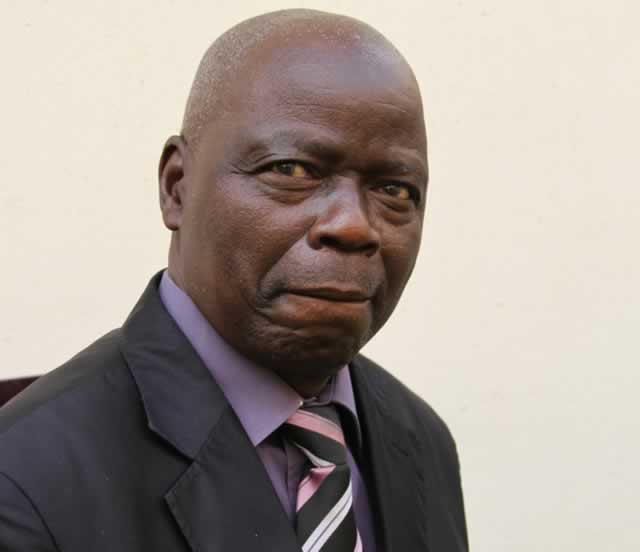

Midlands Correspondent
THE Rural Electrification Agency has electrified nearly 7,800 rural institutions since its inception in 2002, Energy and Power Development Minister Dzikamai Mavhaire has said.
The government remained committed to improving standards of living by electrifying all rural clinics and schools, the minister said, addressing villagers at the commissioning of the Siabuwa electrification project in Binga last week.
REA connected electricity to Siabuwa Primary and Secondary Schools, the local health centre and the Transport and Infrastructural Development Ministry offices.
“It is encouraging to note that despite economic and other challenges faced by our country over the past few years and by REA in particular, especially with regards to financing of the rural electrification programme, the agency has made significant strides in the electrification of rural areas of Zimbabwe,” said Minister Mavhaire.
“To date, the agency has electrified 7,781 rural institutions countrywide, mainly through grid electricity. These include 2,028 primary schools, 1,148 secondary schools, 757 rural health centres, 314 government extension offices, 266 chiefs’ homesteads, 900 business centers, 683 small scale farms, 1,062 villages and 674 other institutions such as community halls and churches.”
Minister Mavhaire said provision of electricity to rural communities would improve the education system, health service provision and transform the lives of the people for the better.
“Electrifying rural health institutions will reduce maternal deaths and infant mortality. We also aim at improving the education system in rural areas by exposing rural pupils to learning environments similar to those in urban centres,” the minister said.
“Provision of electricity will no doubt lead to the empowerment of our rural communities, poverty alleviation, capacity building and employment creation.”
Minister Mavhaire said the government was exploring alternative energy sources, particularly solar and biogas.
REA has installed 390 mini-grid solar systems at remote rural secondary schools, health centres and chiefs’ homesteads, and distributed 392 solar units to rural public offices.
The National Biogas Programme has also seen digesters installed.
‘We’ve since successfully installed five pilot prototype digesters, while nine others are at various stages of completion. It is envisaged that 48 bio-digesters are going to be installed at rural institutions countrywide in 2014,” said Minister Mavhaire.



 Bongani Ndlovu