Online Reporter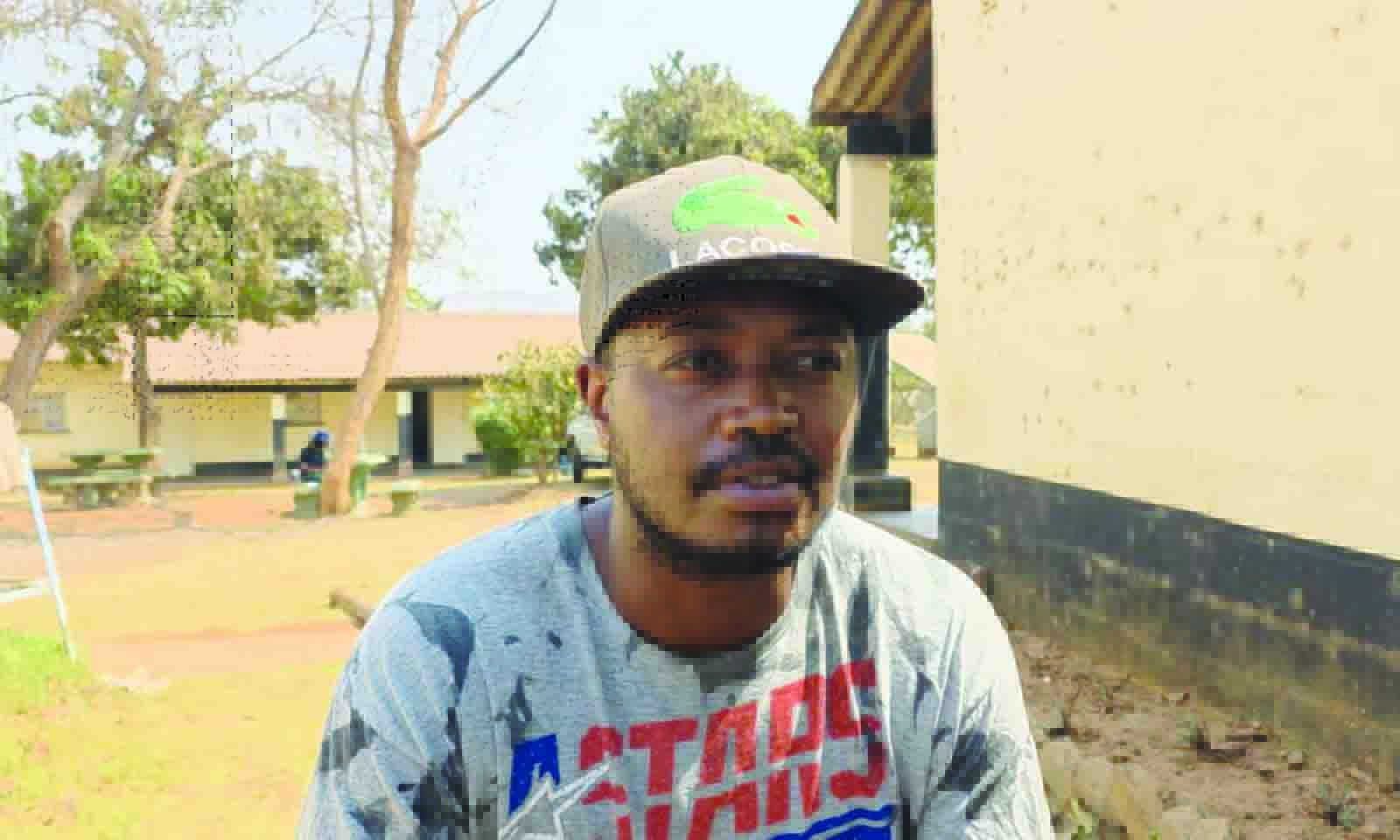
Rumbidzayi Zinyuke in BINDURA
WHEN 37-year-old Harare-based music producer and DJ, Julian Padzarondora, also known by his stage name, “Mahazards DJ Crush”, walked into Chipadze Rehabilitation and Detoxification Centre three months ago, he was drunk, violent and on the verge of losing everything that mattered to him.
He had been arrested three times from January to May alone for violence linked to alcohol and marijuana use.
“I used to take alcohol and marijuana mostly and these often triggered me to be violent and paranoid. I could barely have a steady conversation with my family and friends because I would quickly become aggressive. I came close to taking crystal meth and I thank God I managed to resist. In the end, I forgot who I was and I stopped going to work even though I had responsibilities,” he explained.
When his brother suggested that he might find peace if he went to rehab, Julian was sceptical.
He didn’t think he would survive in a confined space where he had no chance to go where he pleased. Even if it was just to get a cigarette around the corner.
But he had a difficult choice to make.
It was either prison or rehabilitation.
“I finally realised I had to choose between the two and I chose to give myself a second chance. Rehab has given me peace. I have learnt to listen to others, to understand my triggers and I am slowly learning how to rebuild my life when I leave here,” he says.
In a few weeks, Julian will go back home, where all the triggers that drove him to abuse drugs and alcohol await. But he is confident that the path he chose will not take him back to that space.
Julian’s story is just one of many unfolding at Chipadze Rehabilitation and Detoxification Centre, a Government-run facility in Bindura that is quietly transforming lives since opening its doors in June 2023.
Once a COVID-19 isolation centre, the facility has been repurposed into Zimbabwe’s first Government detox and rehabilitation centre, a bold step in the country’s fight against a drug and substance abuse crisis that is tearing communities apart.
Across Africa, the United Nations Office on Drugs and Crime (UNODC) estimates that more than 40 million Africans could be using drugs by 2030 if current trends continue. Crystal meth (mutoriro), marijuana, cough syrups laced with codeine and cheap illicit brews (tumbwa) are some of the substances devastating young people and fuelling crime, violence and broken families.
Zimbabwe has not been spared. Recent studies suggest that more than 60 percent of psychiatric admissions in the country are linked to drug and substance abuse. Urban centres have become hotspots, but rural areas are also reporting rising cases. Government has described the scourge as a national security threat, prompting multi-sectoral responses.
For people like Julian, Arnold Vito from Murehwa and Anka Chasowo, the centre represents a turning point.
Arnold’s downward spiral began in 2019, when he started smoking cannabis shortly after finishing writing his Advanced Level examinations.
“When I started taking drugs, I became lost. I would leave home and just wander around aimlessly. Whenever I came back home I would steal whatever I could get my hands on and sell it just to get the next fix. This affected my life tremendously because I failed to pursue my education and when I got married, my wife left because of my behaviour,” he said.
“I have been in rehab for three months now and I am grateful for the chance to turn my life around. With the knowledge that I gained here, I am sure I will be able to stay away from my triggers.”
For 46-year-old Anka Chasowo, the journey was different, but equally harrowing.
What began as casual beer drinking escalated into dangerous illicit brews that wrecked his health and dignity.
“Alcohol took over my life and started affecting my health, I would lose appetite, I lost weight and I was always ill. It also affected my relationship with family, friends and the community because no one wants to associate with you and you lose a lot of respect. I have lost a lot of opportunities and belongings and I even experienced many injuries as a result,” he said.
His turning point came when his daughter, who is a health professional, convinced him he needed to get help.
He said he finally had to accept that he could not leave alcohol all on his own.
Anka still has two months in Rehab, but according to him, the past month has been the most sober he has been in years.
For these men, recovery is not only about detoxification, but about rediscovering themselves and finding tools to reintegrate into society.
Dr Budirirayi Gwagwa, medical superintendent at Bindura Provincial Hospital, says Chipadze has admitted over 140 clients since its inception. Each undergoes a three-month programme that combines medical detoxification, occupational therapy, psychosocial support and skills training.
“When clients come in, we first assess their health—checking the liver, kidneys, and other organs affected by substances,” he explained.
“Beyond medical detox, we prepare them for reintegration by equipping them with skills. We have a nutrition garden, poultry projects, a computer lab donated by the ICT Ministry and even recreational facilities like volleyball and music therapy. The idea is to heal the body, mind and spirit.”
Sister-in-charge at the centre, Tatenda Mutizira, said the approach is holistic.
“Drugs alter brain function, so our goal is to restore reasoning and self-identity. We engage families and even workplaces so clients receive support beyond the centre. We’ve seen encouraging results—clients who call back to tell us they’ve started small projects, or relatives reporting improved behaviour.”
But the work is not without challenges. The centre is not yet purpose-built, creating safety concerns. Staffing shortages also persist, as many workers are seconded from Bindura Hospital. A lack of a dedicated vehicle limits community follow-ups. Despite these hurdles, the facility has become a model for Government’s vision of a coordinated, multi-sectoral approach.
The establishment of Chipadze is part of Zimbabwe’s broader national drug and substance abuse strategy launched in 2021. The policy brings together health, education, law enforcement and social services under what authorities call a “whole-of-government, whole-of-society” framework.
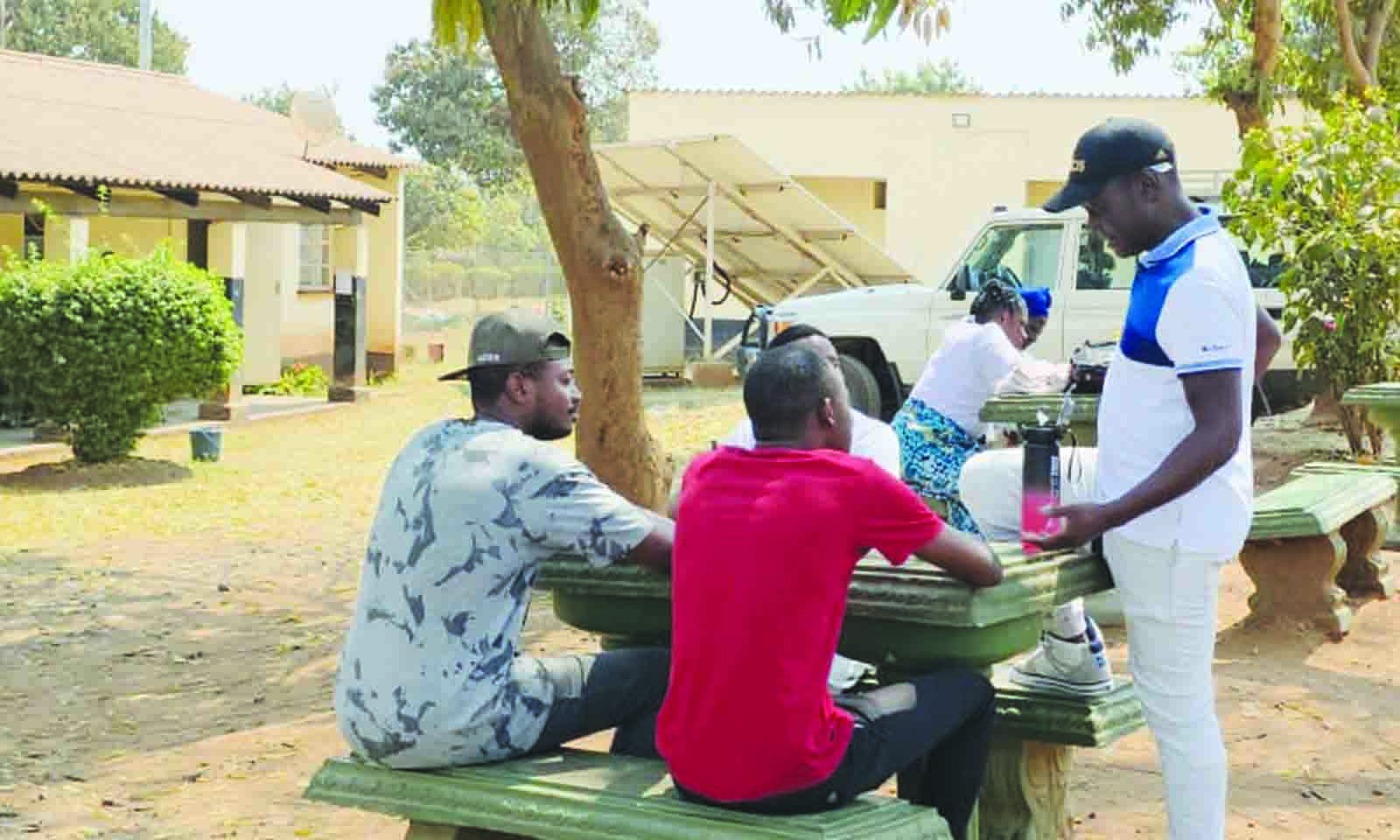
Police have been cracking down on drug peddlers, dismantling distribution networks and seizing illegal substances. At the same time, health facilities like Chipadze are offering a structured pathway to recovery, while awareness campaigns are spreading the message about the dangers of substance abuse.
Government is also working to expand skills training and economic empowerment programmes to provide young people with alternatives to drugs. Authorities believe that by combining prevention, law enforcement and rehabilitation, the country can slow down the devastating impact of the scourge.
Dr Gwagwa believes these efforts must be matched by community ownership.
“We held an open day at Chipadze so the community could see what we do. Reintegration only works if families and communities accept and support clients. Without that, relapse is a real risk,” he said.
For many who have gone through rehabilitation, the centre has given them more than treatment—it has given them a second chance.
Julian now speaks of responsibility and patience, qualities he admits were foreign to him before. Arnold dreams of resuming his education. He wants to rebuild broken family ties.
“I won’t say I am 100 percent, but I have learnt to handle myself. My responsibilities as a father and my passion for music will push me not to go back,” Julian reflects.
As Zimbabwe battles a crisis that threatens its youth, centres like Chipadze stand as proof that recovery is possible, that lives can be rebuilt with the right support.
But the stories of those who walk through the gates of these centres is also a reminder that the fight is far from over.
For now, in Bindura, hope is being restored, one life at a time.