Vusumuzi Dube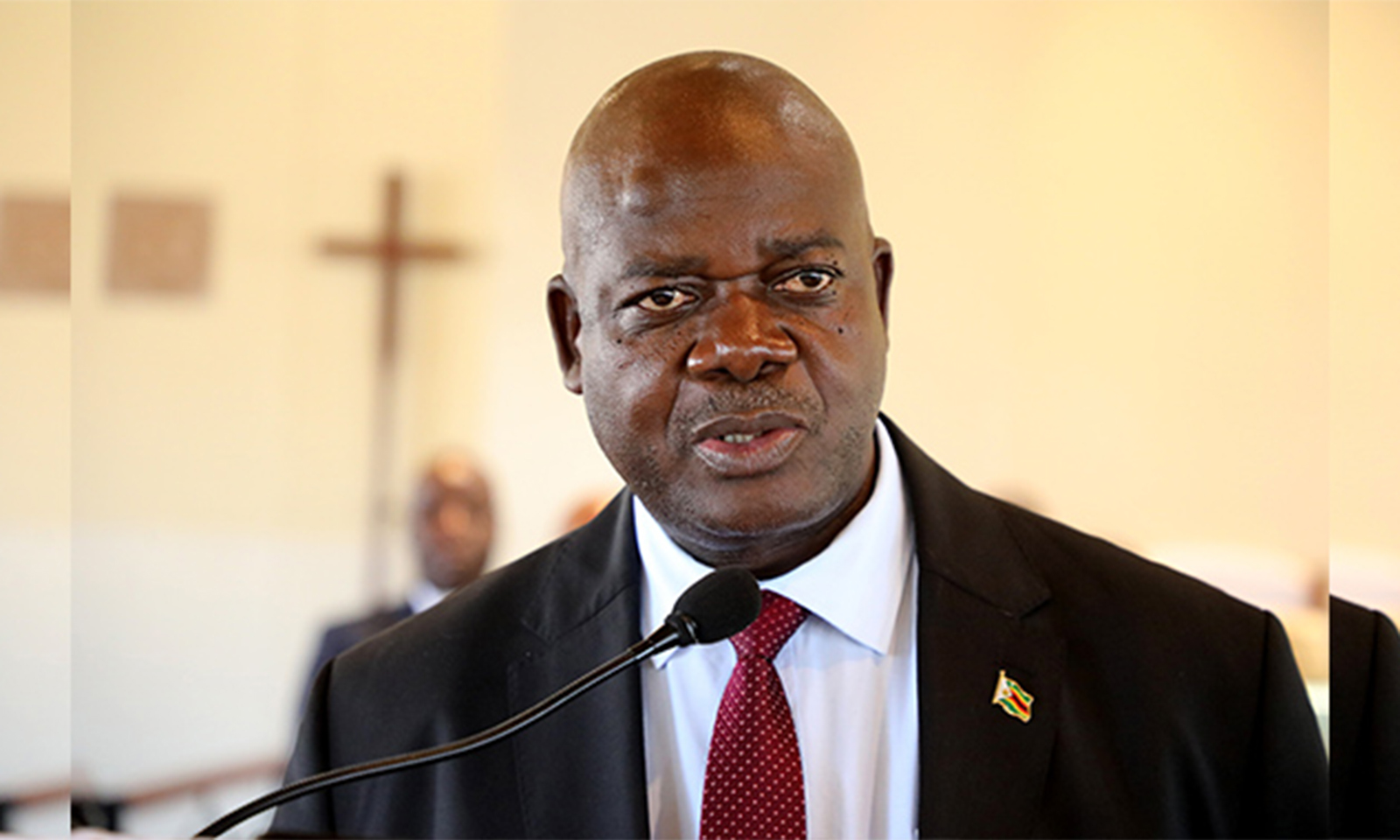
Dalyn Chigwizura, [email protected]
THE Government has announced a sweeping policy shift that will require all schools, including private institutions, to register learners for national examinations under a single framework, in a move aimed at standardising education and strengthening oversight of the curriculum.
Starting next year, all schools will be compelled to register candidates for examinations administered by the Zimbabwe School Examinations Council (Zimsec), as the Ministry of Primary and Secondary Education moves to align the country’s education system under one national assessment structure.
The directive effectively resets operations in some private institutions that have relied solely on foreign examination boards such as Cambridge International Education, with the Government now insisting that international qualifications can only complement, and not replace, the national curriculum.
The development signals a decisive shift towards a more integrated and locally anchored education system, one designed to better serve Zimbabwe’s socio-economic transformation goals while still allowing room for global competitiveness.
The policy comes against the backdrop of growing concern over fragmentation within the education system, where parallel curricula have created disparities in learning outcomes, access and national cohesion. Critics have long argued that the dominance of foreign syllabi in some schools has weakened the uptake of locally relevant content and skills, which are central to the country’s development agenda.
The move is grounded in law, with the Education Act empowering the Ministry of Primary and Secondary Education to determine curriculum and examination standards across all institutions.
Over the past decade, Government has been implementing curriculum reforms, culminating in the introduction of the Heritage-Based Curriculum. This framework is designed to promote Zimbabwean values, culture, innovation and industrialisation, while also placing emphasis on science, technology, vocational skills and continuous assessment. These reforms align with Vision 2030’s goal of transforming Zimbabwe into an upper middle-income economy.
Speaking in Parliament this week, Primary and Secondary Education Minister Torerai Moyo said the policy is meant to enforce uniform standards and ensure full implementation of the Heritage-Based Curriculum.
“Starting next year, all the schools in this country are going to offer one examination, the Zimbabwe School Examinations Council. It will be mandatory for all the schools in Zimbabwe, according to the law. The law says there must be one curriculum, that’s the Constitution of Zimbabwe,” he said.
Minister Moyo clarified that the Government is not banning international examinations outright, but is repositioning them as supplementary qualifications.
“In 2027, every school must be offering Zimbabwe School Examinations Council examinations, but we have allowed them, if they think their students are bright or are intelligent enough, to offer both Cambridge and Zimsec, but they must justify how they are going to achieve it,” he said.
The policy forms part of broader efforts to entrench the Heritage-Based Curriculum across the education system, placing greater emphasis on local content, national identity and practical skills development, while ensuring consistency in learning outcomes across both public and private institutions.
The move is expected to reshape Zimbabwe’s education landscape, particularly within the private sector, where international curricula have long held strong influence.


 Online Reporter