Online Reporter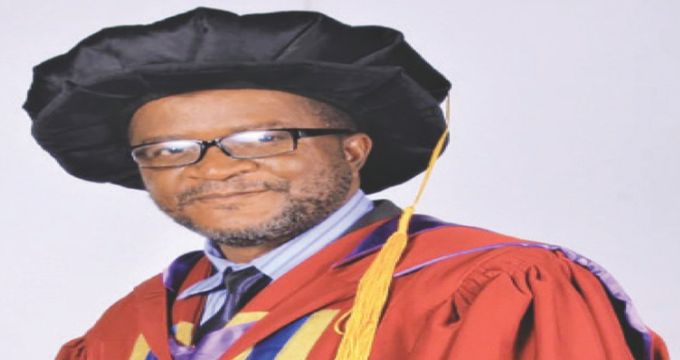
Mbulelo Mpofu, [email protected]
AFRICAN stories are increasingly being told by Africans themselves, as scholars and writers seek to reclaim their history and identity. Among those leading this movement is Zimbabwean academic and cultural scholar Professor Nathaniel KudakwaMwari, who has emerged as a strong voice in promoting African knowledge and heritage.
The 51-year-old university lecturer, author, anthropologist and Chief Psychologist at Doctors On The Move recently launched two of his latest books, Dream Come True and The Gods Of Great Zimbabwe. The launch took place during the CID CCPN Training Workshop held in Bulawayo from May 5 to 7.
The event attracted a wide audience that included academics, professionals and members of the police force. Several detectives and senior officers purchased copies of the books, among them Detective Apostle Bishop Dr Lilian Bwanya, Detective Dr Munyonga, and Detective Chief Inspector Tutayi. Their presence showed that KudakwaMwari’s work is reaching beyond universities into other sectors of society.
For many who attended, the launch was more than just a book event. It was a celebration of African identity, culture and knowledge.
KudakwaMwari, who holds a Post-Doctoral Fellowship Degree in Humanitarian Intervention, has built a strong academic reputation over the years. He has contributed his expertise to institutions such as Adalsgate University, Calvary University and Alliance University of America.
Despite his international work, the Bulawayo-based scholar remains deeply connected to Zimbabwean culture and African traditions. These themes continue to shape both his academic research and his writing.
Speaking at the launch, KudakwaMwari said his work is inspired by personal experience and the desire to correct how African stories are told.
“My inspiration comes from two places: my own journey from rural Zimbabwe to academia, and the gap I saw in how African history and culture are told. Too often, our stories are written by outsiders or left untold. I wrote to preserve indigenous knowledge, to document the lived experiences of ordinary Zimbabweans, and to show young Africans that our heritage is something to be proud of and studied. Each book is an attempt to return ownership of the narrative to Africans themselves,” he said.
His book Dream Come True focuses on motivation, telling the story of overcoming challenges and encouraging young Zimbabweans to value education, purpose and hard work.
On the other hand, The Gods Of Great Zimbabwe explores the history, culture and spiritual meaning of Great Zimbabwe. It brings together oral traditions and historical knowledge, aiming to challenge long-standing interpretations that have often been influenced by foreign perspectives.
KudakwaMwari said writing these books was not easy, especially when trying to balance academic depth with simple language that ordinary readers can understand.
“Balancing academic rigor with accessibility was difficult. I wanted the books to be credible enough for scholars but readable enough for a high school student or a community elder. The other challenge was sourcing and verifying oral histories, especially for ‘The Gods Of Great Zimbabwe’ and ‘Great Zimbabwe Kingdoms’, where written records are scarce. It required time, trust, and respect for the custodians of that knowledge,” he said.
He added that some of his books took years to complete. His memoir, From Countryside To Beyond: A Zimbabwean Memoir, took three years to write, while some of his academic works required between five and seven years of research.
At the centre of his work is a clear message — that Africa must tell its own story.
“That Africa’s story belongs to Africans. Whether it’s in a memoir or an academic text, I want readers to see that our history is deep, our cultures are complex, and our future depends on us documenting and learning from both. The message is one of identity, pride, and responsibility,” he said emphatically.
His views have been well received by other professionals.
Dr Nomsa Melissa Matshazi from Doctors On The Move praised his work and its importance.
“Professor Nathaniel KudakwaMwari’s focus on addressing African stories and highlighting their global relevance is truly commendable. These are the stories that may have never been told. Now I’m wanting to read the books because I’m curious as to the inspiration behind them,” she said.
Over the years, KudakwaMwari has built a growing body of work, including Anthropology of Zimbabwe, Anthropology of Africa, Great Zimbabwe Kingdoms, and From Countryside To Beyond. His writing focuses on African societies, traditions, governance systems, spirituality and identity, with strong roots in Zimbabwean and Shona culture.
He believes that Africa’s contribution to global knowledge has been ignored or misrepresented for many years.
“The narrative around Africa’s contribution to global knowledge and civilisation is grossly distorted. We’ve been systematically erased from the global narrative, and it’s time to reclaim our rightful place in history. The story of African herbal medicine and its global impact is a prime example — it’s time to set the record straight,” he said.
This belief is guiding his next project, The Stolen Legacy: Africa’s Herbal Treasures, which will focus on documenting African herbal knowledge and promoting its protection.
KudakwaMwari said he is already working with governments and organisations across Africa to establish herbal sanctuaries and research centres.
However, his vision goes beyond writing books.
He is currently working on plans to establish The African Dream Publishing House, a Zimbabwe-based publishing company aimed at helping African writers tell their own stories.
The initiative seeks to support new writers, promote indigenous knowledge and increase access to African literature through both print and digital platforms.
Under a proposed five-year plan, the publishing house aims to publish more than 50 African authors, build a digital library of over 100 titles, create regional partnerships, and host an annual African Dream Writers’ Conference in Bulawayo.
The project will also focus on preserving oral traditions, indigenous languages, cultural heritage and African leadership values.
“For too long, Africa’s story has been told by outsiders. When Africans write their own books, they preserve their identity, challenge stereotypes, and provide solutions rooted in context,” KudakwaMwari said.
Born in rural Zimbabwe and rising to become an academic and international scholar, KudakwaMwari’s life reflects the message in Dream Come True — that determination, education and pride in one’s culture can change lives.
Now a husband and father of five, he continues to balance teaching, psychology, research and writing while promoting African knowledge and self-reliance.
As Zimbabwe continues to look for voices that can preserve its history and inspire the future, Professor KudakwaMwari is steadily establishing himself as one of the country’s leading advocates for African storytelling and intellectual independence.
– Follow on X @MbuleloMpofu