Charles Mavhunga
Tourism Branding
Tourism branding has always been about more than scenery; it is about identity: the stories a nation chooses to tell about itself and the pride with which it tells them.
In Zimbabwe, a quiet but powerful shift has been underway in how cultural heritage is positioned as a national asset.
Increasingly, initiatives associated with the Office of the First Lady have placed indigenous dress, traditional cuisine, sacred music and intergenerational respect at the centre of the country’s cultural identity, rather than at its margins.
This represents more than a nostalgic gesture toward the past; it is a deliberate branding strategy that reframes Zimbabwean heritage as a living, marketable and deeply human asset: one capable of drawing the world’s attention not through spectacle alone, but through authenticity.
This article examines several key pillars of this cultural repositioning: The Doek Model, the Mbira Festival, traditional cuisine, respect for elders and Ubuntu values, situating them within a global tradition of nations that have successfully turned cultural pride into a tourism capital.
The Doek Model: Headwraps as National Statement
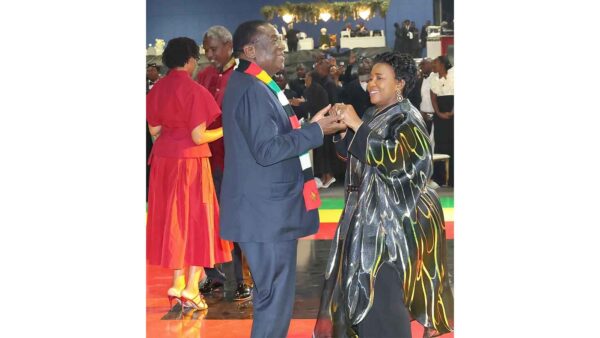
Few garments carry as much quiet symbolism as the Doek, the traditional head wrap worn by Zimbabwean women for generations.
What was once dismissed in some circles as old-fashioned has been reintroduced into public life as a marker of dignity, femininity and cultural rootedness.
By visibly embracing the doek at public and international engagements, this advocacy has repositioned an everyday traditional item as a recognisable cultural emblem: much in the way Ghana’s kente cloth or Nigeria’s gele head wraps have become globally recognised symbols of African elegance.
For tourism branding, such symbols matter enormously: they give visitors a visual shorthand for a culture, something photographable, wearable and instantly associated with a place.
A doek is not merely fabric; it is an invitation into a worldview where heritage is worn with pride rather than concealed.
The Mbira Festival: Sound as Heritage Diplomacy
Music has long been one of the most effective ambassadors of national identity and the Mbira, the sacred lamellophone instrument central to Shona spiritual and ceremonial life, offers Zimbabwe an unusually powerful branding asset.
Festivals celebrating the Mbira do more than entertain; they function as heritage diplomacy, drawing international scholars, musicians and cultural tourists into direct contact with a musical tradition that predates colonial contact.
This mirrors the global success of Cuba’s son and rumba festivals or Bali’s gamelan tourism circuit, where sacred or traditional music became both a cultural preservation tool and an economic driver. A well-branded Mbira Festival positions Zimbabwe not simply as a wildlife destination, but as a living museum of sound: an experience competitors cannot replicate.
Traditional Meals: Cuisine as Cultural Currency
Food tourism has become one of the fastest-growing segments of the global travel industry and traditional Zimbabwean cuisine: sadza, traditional vegetables (muriwo), millet-based dishes and indigenous fermented beverages offer rich, underexploited branding potential.
By elevating traditional meals at state functions and public events, this trend signals that indigenous cuisine belongs on the same stage as international fare, not beneath it.
Ethiopia’s injera-centred food tourism and Peru’s globally celebrated culinary renaissance both demonstrate how pride in indigenous food, expressed at the highest levels of public life, can cascade into a thriving culinary tourism economy.
A traveller who eats traditional Zimbabwean food is not merely fed; they are given a story to carry home.
Respect for Elders and Ubuntu Values: The Human Brand
Perhaps the most distinctive branding asset of all is intangible: the values of respect for elders and Ubuntu-the philosophy that “I am because we are.”
These values are difficult to photograph but easy to feel, and tourism increasingly sells feeling as much as scenery.
Community-based tourism models that foreground elder-led storytelling, ceremonial welcome and communal hospitality have proven successful across the continent, most notably in Rwanda’s community tourism circuits and South Africa’s Ubuntu-branded hospitality sector, both of which explicitly market warmth and communal values as differentiators against more transactional Western tourism experiences.
When elders are visibly honoured in national life and when hospitality is framed through Ubuntu rather than mere service, visitors encounter something increasingly rare globally: a culture that has not outsourced its humanity to efficiency.
Global Lessons: Culture as Competitive Advantage
Nations that have most successfully branded themselves through culture share a common pattern: they resist treating heritage as a relic and instead present it as a living, evolving national personality. Bhutan’s Gross National Happiness branding, Japan’s deliberate global promotion of traditional tea ceremony and kimono culture alongside its ultramodern cities and Morocco’s fusion of traditional souks with high-end tourism infrastructure all demonstrate that authenticity and modernity are not opposites: they are the two halves of a compelling national story.
Zimbabwe’s emerging cultural branding, anchored in the doek, the Mbira, traditional cuisine and Ubuntu values, follows this same successful pattern: heritage is not positioned against progress, but as the very foundation on which a confident, modern national identity is built.
Conclusion
Tourism branding succeeds when a nation stops apologising for its own culture and starts marketing it.
The renewed public visibility given to the doek, the Mbira, traditional cuisine and the values of Ubuntu and eldership reflects a broader repositioning of Zimbabwean identity: from a heritage once quietly sidelined to one confidently placed at the centre of the national story.
As global tourism increasingly rewards authenticity over spectacle, Zimbabwe’s growing willingness to lead with its own culture, rather than imitate others, may prove to be one of its most valuable and distinctive assets on the world stage.
Charles Mavhunga, co-author of textbooks in Business Enterprising Skills and current PhD candidate in Management at Bindura University, is the scholar behind the landmark publication on Amazon: Mbira Virtuosos: Stories of Zimbabwean Mbira Legends. For inquiries, he can be contacted at charles.mavhunga@ gmail.com or 0772989816.