admin
admin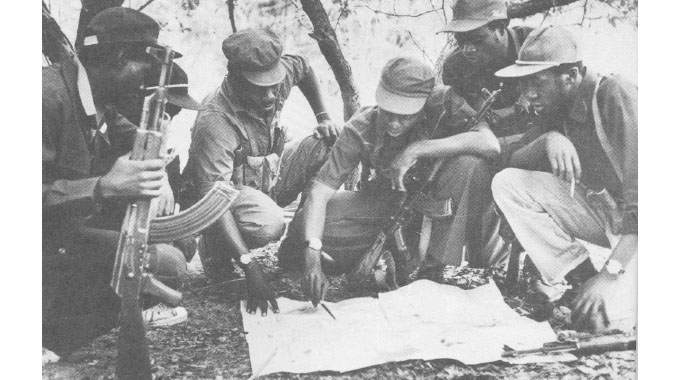
Innocent Mujeri
Correspondent
In Zimbabwe, Heroes Day isn’t just another public holiday on the calendar. It is a poignant reminder of the sacrifices made, the lives lost and the struggles endured by the country’s brave sons and daughters who liberated their homeland from colonial rule.
Yet, in the shadow of these great achievements, lies the opportunity for a more profound observation: reconciliation.
As the nation gathers each year to commemorate its heroes, can this celebration also serve as a potent platform for healing the historical wounds and uniting its people?
The answer is an unequivocal yes.
Heroes Day is anchored in memory. It is a moment when Zimbabweans pause to remember the gallant fighters who laid down their lives for the nation’s independence.
They did not just fight against the oppression of colonial rule; they also fought for a vision – a vision of a united and prosperous Zimbabwe where every citizen, regardless of ethnic background or social status, could thrive.
Remarkably, these freedom fighters, drawn from all corners of the nation, did not view each other through the prism of their ethnicities.
They saw each other as comrades-in-arms, united by a common purpose and driven by a shared destiny.
To them, the dream of an independent Zimbabwe was bigger than individual differences. It was a dream where each person’s contribution was acknowledged, celebrated, and cherished.
Yet, as we reflect on this rich history, it is impossible to ignore the ethnic tensions and divisions that have occasionally marred the post-independence era.
These rifts, whether political, ethnic, or social, have sometimes threatened to overshadow the unity that the heroes of the liberation struggle envisaged.
While it is crucial to honour those who fought for Zimbabwe’s freedom, Heroes Day could as well be a platform to foster reconciliation among the people.
The potential is undeniably there. Commemorating Heroes Day could go beyond the ritualistic laying of wreaths and the singing of liberation songs.
It could be a day where Zimbabweans from all walks of life come together to not only celebrate the heroes of yesteryears, but also to openly discuss and confront the divisions that may still linger.
In other parts of the world, we have seen how shared history, even one steeped in pain, can be a powerful tool for reconciliation.
South Africa’s Truth and Reconciliation Commission, set up after the end of apartheid, is a testament to the transformative power of confronting the past to build a shared future.
While the circumstances are different, the principle remains: confronting and understanding history is key to shaping a united future.
Therefore, Heroes Day should be an occasion to underscore the importance of unity and national cohesion.
It should serve as a platform for people to bury their differences and push for national development. After all, a nation divided against itself cannot stand, let alone prosper.
Heroes Day stands not only as a testament to Zimbabwe’s resilient past, but also as an emblematic beacon for its promising future.
Central to this promise is the imperative to foster unity, understanding, and progressive thinking. To achieve this, open dialogues and forums, particularly targeting the dynamic energy of the younger generation, should be actively organised around Heroes Day.
The younger generation, equipped with both the vigour of youth and the tools of modernity, holds the potential to reshape the narratives of tomorrow.
By actively involving them in conversations, we can ensure that the voices of the future are harmonised with the echoes of the past.
In these dialogues, the visions and ideals of our heroes can be revisited, ensuring their relevance and resonance with the aspirations of today’s youth.
Moreover, these discussions can delve deeper into understanding the challenges Zimbabwe currently faces and brainstorm on the myriad of opportunities on the horizon.
Such an approach can galvanise collective action, turning challenges into stepping stones towards a brighter future.
Furthermore, it’s crucial to decentralise these discussions, making them accessible to every Zimbabwean.
Schools, given their pivotal role in shaping young minds, can introduce curricula that delve into the essence of Heroes Day, fostering critical thinking and encouraging students to draw parallels with contemporary issues.
Colleges, with their diverse student populations, can serve as melting pots of ideas, hosting debates and panel discussions that dissect the heroes’ visions and the paths to achieving them.
In essence, by embedding the spirit of reconciliation in the national consciousness through these avenues, we can ensure that the sacrifices and ideals of our heroes are not just memories of the past but guiding lights for the future.
The annual commemoration of Heroes Day then becomes more than just a remembrance; it transforms into a dynamic platform for nation-building, introspection, and progressive action.
Moreover, the narratives surrounding Heroes Day should be broadened. While it’s vital to recognise those who took up arms for the country’s liberation, it’s equally essential to celebrate the unsung heroes who have played a role in nation-building.
By widening the scope of who we consider “heroes”, we can foster a more inclusive national identity.
As Zimbabweans come together each year to honour their national heroes, it’s crucial to remember that the vision those heroes fought for wasn’t just about political freedom.
It was about creating a nation where everyone, regardless of their background, felt they belonged.
By harnessing the spirit of Heroes Day for national reconciliation, Zimbabwe can move closer to realising that vision.
In the words of one of Africa’s great sons, Nelson Mandela, “If you want to make peace with your enemy, you have to work with your enemy. Then he becomes your partner”.
This Heroes Day, let’s take a step closer to turning every Zimbabwean, regardless of their differences, into partners in the nation’s journey forward.


 Online Reporter