Bongani Ndlovu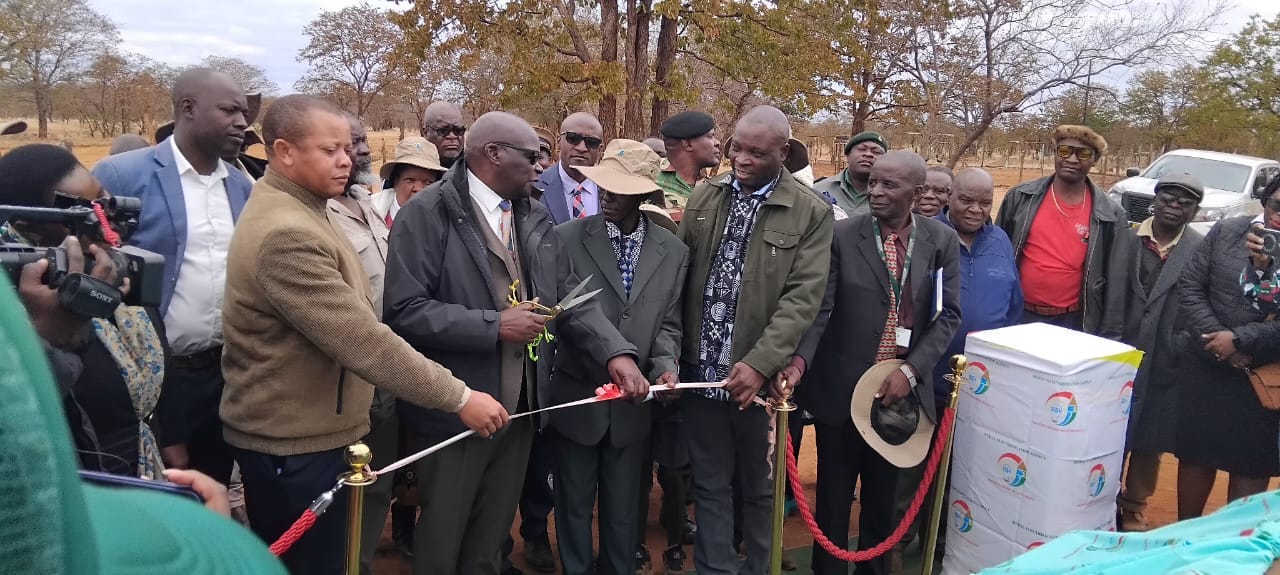
Nqobile Bhebhe [email protected]
THE Rural Electrification Fund (REF) has expressed concern over the low uptake of electricity by rural households despite the availability of subsidised connection schemes, with Acting Board Chairperson Mrs Cecilia Chitiyo calling for stronger collaboration with community leaders to address the challenge.
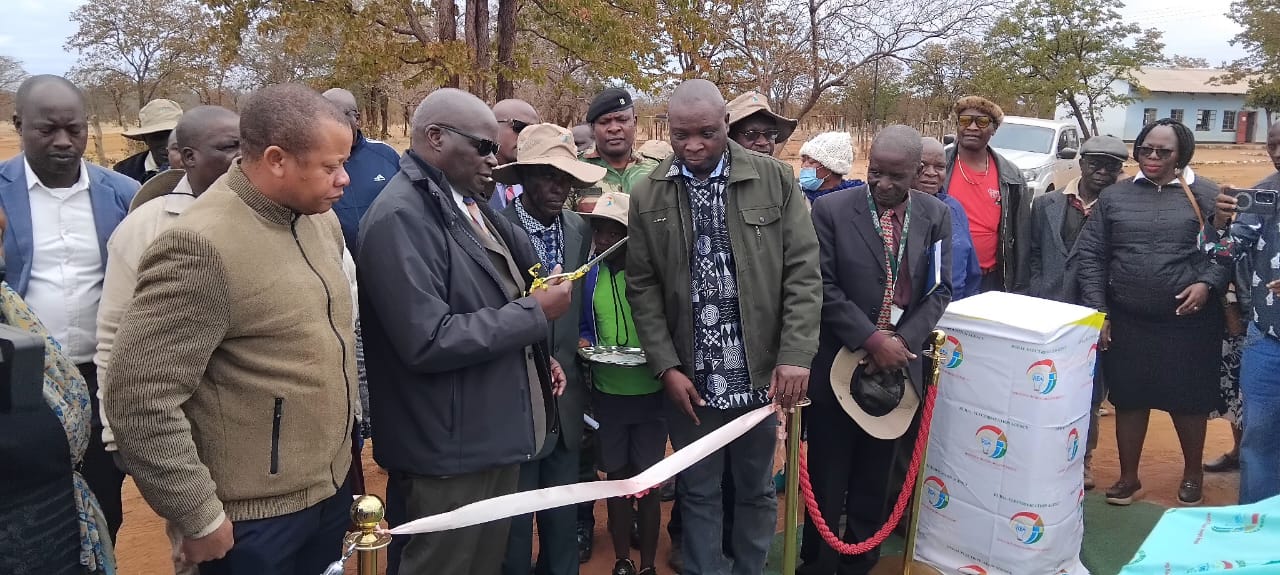
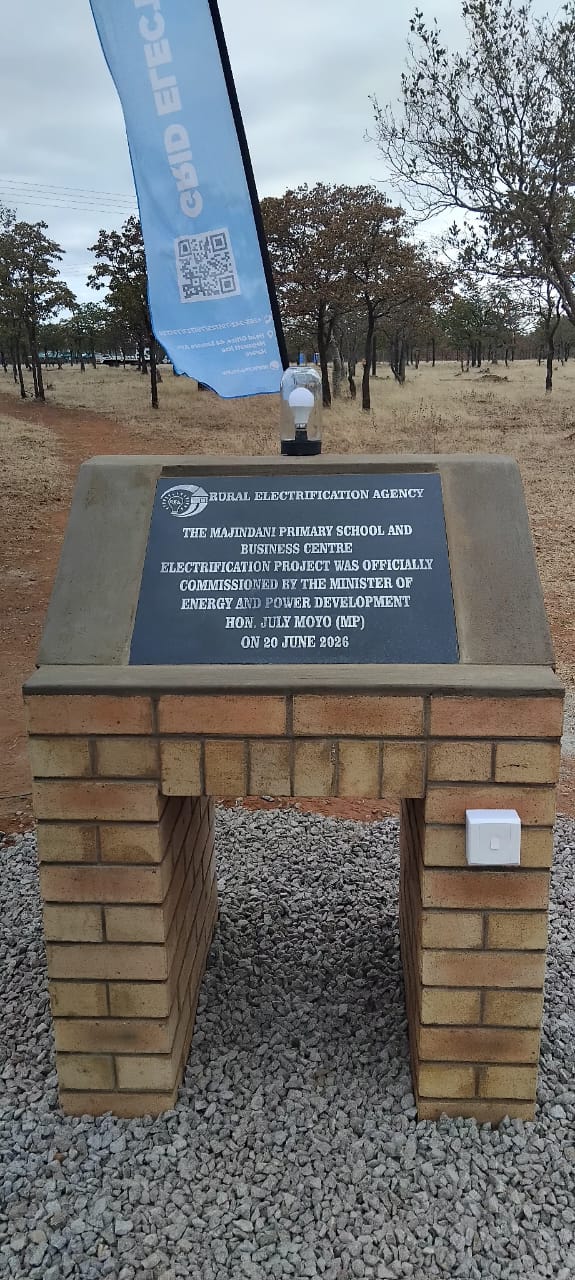
In her remarks at the commissioning of the ZiG3 million Majindane Electrification Project in uMguza District on Saturday, Mrs Chitiyo said while the Rural Electrification Agency (REA) had made significant progress in electrifying public institutions, farms and business centres, more effort was needed to ensure rural households benefit from modern energy services.
“You are aware that rural areas remained disadvantaged before independence as electricity, which is a conduit for development and prosperity, favoured mainly those in urban areas and large-scale commercial white farms,” she said.
“The bold decision taken by Government to create the Rural Electrification Fund (REF) and its implementing arm, the Rural Electrification Agency (REA), ushered in a new era in the management and future direction of all rural communities in Zimbabwe.”
Mrs Chitiyo said the agency had achieved notable success in extending electricity to schools, clinics, farms and business centres, but household connections remained a concern.
“While REF has made remarkable progress in providing energy to rural public institutions, farms and business shops, a lot more needs to be done with regards to rural households.
“Uptake of electricity by villagers to their households under the group scheme arrangement has remained low despite an attractive subsidy offered by REA.
“As board, we want to work closely with both rural traditional and civic leadership as well as REA management to find a lasting solution to this challenge and ensure change in the mindset of villagers is achieved,” she said.
Mrs Chitiyo said since its establishment in 2002, REF had remained focused on expanding access to modern energy services through grid extension projects, solar installations and biogas technologies.
She said biogas digesters were helping drive rural development by supporting village business units, irrigation schemes and improved living standards.
“Guided by the National Development Strategy 2 and the Rural Energy Master Plan (REMP), it is our hope that we will be able to speed up provision of energy to all rural households in Zimbabwe using both grid and off-grid technologies as we strive to contribute towards the attainment of the nation’s vision of becoming a prosperous and empowered upper middle-income society by 2030,” said Mrs Chitiyo.
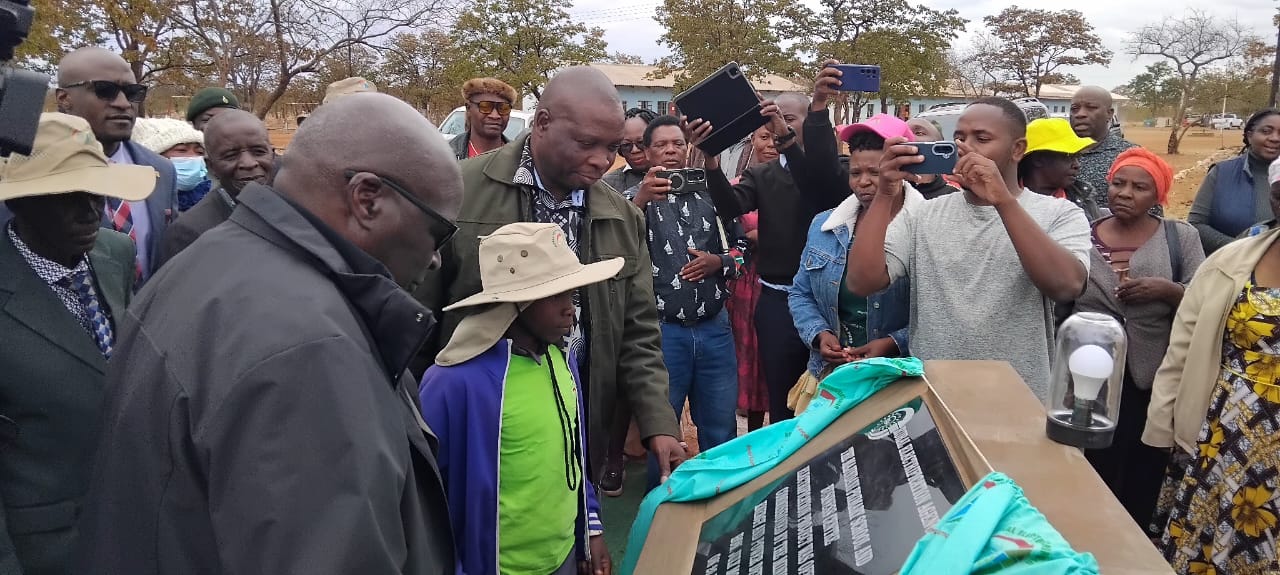
The Majindane Electrification Project is part of Government’s broader drive to accelerate rural development through improved access to modern energy services.



 Online Reporter